
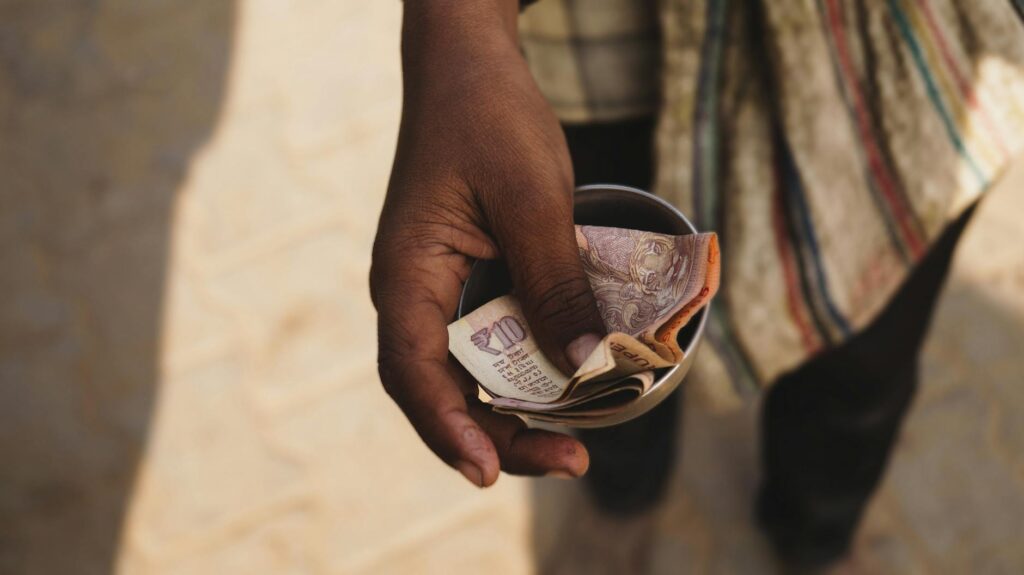
Wealth vs. Poverty Struggles: Complete Guide
Introduction
In a world bursting with innovation and progress, the chasm between the wealthy and the impoverished continues to widen. This divide is not merely a statistic; it is a lived experience that shapes destinies and defines lives. Imagine a child growing up in a neighborhood where dreams feel perpetually out of reach, while just a few miles away, another child is surrounded by opportunities and privileges. As we delve into the depths of wealth and poverty struggles, we will uncover the profound emotional and societal implications of this divide.
What Is Wealth vs. Poverty Struggles?
At its core, the struggle between wealth and poverty is not just about money—it’s a battle for dignity, opportunity, and hope. Wealth brings with it security and stability, allowing individuals to pursue their passions and dreams. In stark contrast, poverty often breeds desperation and hopelessness, where each day is a fight for survival. Think of the young mother, juggling multiple jobs just to keep food on the table, her dreams of education and a brighter future slipping away like sand through her fingers.
Why It Matters
Understanding the weight of wealth versus poverty struggles is crucial. It’s more than an economic issue; it’s a moral one. The emotional toll on individuals trapped in the cycle of poverty is profound. They face not only financial instability but also social stigma and mental health challenges. Conversely, an avalanche of privilege can numb the senses of the wealthy, often rendering them unaware of the struggles faced by others. This disconnect fosters a society where empathy is scarce, and compassion is often an afterthought.
Key Facts and Statistics
Consider this: according to recent studies, the top 1% of earners hold more wealth than the bottom 90% combined. This staggering statistic is not just numbers on a page; it represents families without basic needs met, while others bask in luxury. The gap in education, healthcare, and even life expectancy is often a direct reflection of wealth disparities. A child born into poverty is more likely to face lifelong challenges, battling against a system designed to favor those already at the top.
Impact on Wealth and Poverty
The emotional scars of wealth inequalities are deeply etched within communities. Families struggling to make ends meet experience heightened stress and anxiety, which can lead to long-term health issues. Picture a father, his heart heavy with worry as he watches his children go to bed hungry, knowing he cannot provide for them. On the other side of the spectrum, wealth can insulate individuals from such fears, creating an illusion of invincibility. However, this insulation often leads to isolation, as the wealthy may find it hard to connect with the struggles of others, fostering a lack of understanding and compassion.
Real World Examples
The Story of Maria
Maria, a single mother, lives in a dilapidated apartment in a low-income neighborhood. She works two jobs—one as a waitress and the other as a cleaner—yet still struggles to afford basic necessities. Each month, the bills pile up, and the weight of her debt feels suffocating. Maria dreams of a better life for her children, but the reality is a cruel cycle of poverty that seems impossible to escape. Her story is not unique; countless individuals find themselves in similar situations, their hopes crushed under the weight of financial despair.
The Contrast of the Rich: The Johnson Family
In stark contrast, the Johnson family resides in a sprawling mansion with a private school for their children and a lavish lifestyle that includes luxury vacations and exclusive memberships. They often donate to charities but remain detached from the struggles faced by families like Maria’s. Their lives are filled with opportunities that feel foreign to those in poverty, creating an invisible barrier that perpetuates the divide. This disparity breeds resentment and misunderstanding, as the wealthy may see poverty as a failure rather than a systemic issue.
Advantages and Disadvantages
While wealth can provide opportunities, education, and security, it can also lead to complacency and a lack of awareness about societal struggles. The wealthy may find themselves in echo chambers, surrounded by others who share similar socioeconomic statuses, fostering a disconnect from the realities of life for those in poverty.
On the other hand, poverty strips individuals of dignity and hope, often leading to mental health struggles, crime, and a cycle of despair. The emotional toll is heavy, with individuals feeling trapped and powerless. Yet, within these struggles, there are stories of resilience and strength, where individuals rise above their circumstances, defying the odds stacked against them.
Future Trends
As we look to the future, the landscape of wealth and poverty struggles remains uncertain. Automation and globalization threaten to displace low-wage jobs, exacerbating existing inequalities. Climate change disproportionately affects the impoverished, as natural disasters can wipe out homes and livelihoods, leaving families in even deeper despair.
Alternatively, movements advocating for wealth redistribution and social justice are gaining momentum, as individuals and organizations recognize the urgent need for change. The voices of the marginalized are beginning to echo louder, challenging the status quo and demanding a more equitable future.
Frequently Asked Questions
1. Why does wealth inequality exist?
Wealth inequality arises from various factors, including historical injustices, systemic barriers, and economic policies that favor the wealthy. These factors create a cycle that is difficult to break.
2. How does poverty impact mental health?
Living in poverty can lead to chronic stress, anxiety, and depression. The constant struggle for survival takes a toll on mental well-being, creating a cycle that is hard to escape.
3. What can be done to address wealth inequality?
Addressing wealth inequality requires systemic changes, including equitable access to education, healthcare, and job opportunities. It also involves advocating for policies that support the most vulnerable in society.
4. How can individuals contribute to change?
Individuals can contribute by supporting local organizations, volunteering, and advocating for policies that promote social justice. Empathy and understanding can bridge the gap between wealth and poverty.
In conclusion, the struggle between wealth and poverty is not just a financial issue; it’s a deeply emotional and moral crisis that affects countless lives. The stories of individuals like Maria and families like the Johnsons highlight the stark realities of our world, urging us to confront the inequalities that persist. As we navigate these challenging times, may we strive for a future where wealth is not just a privilege for a few, but a shared resource that uplifts us all.