
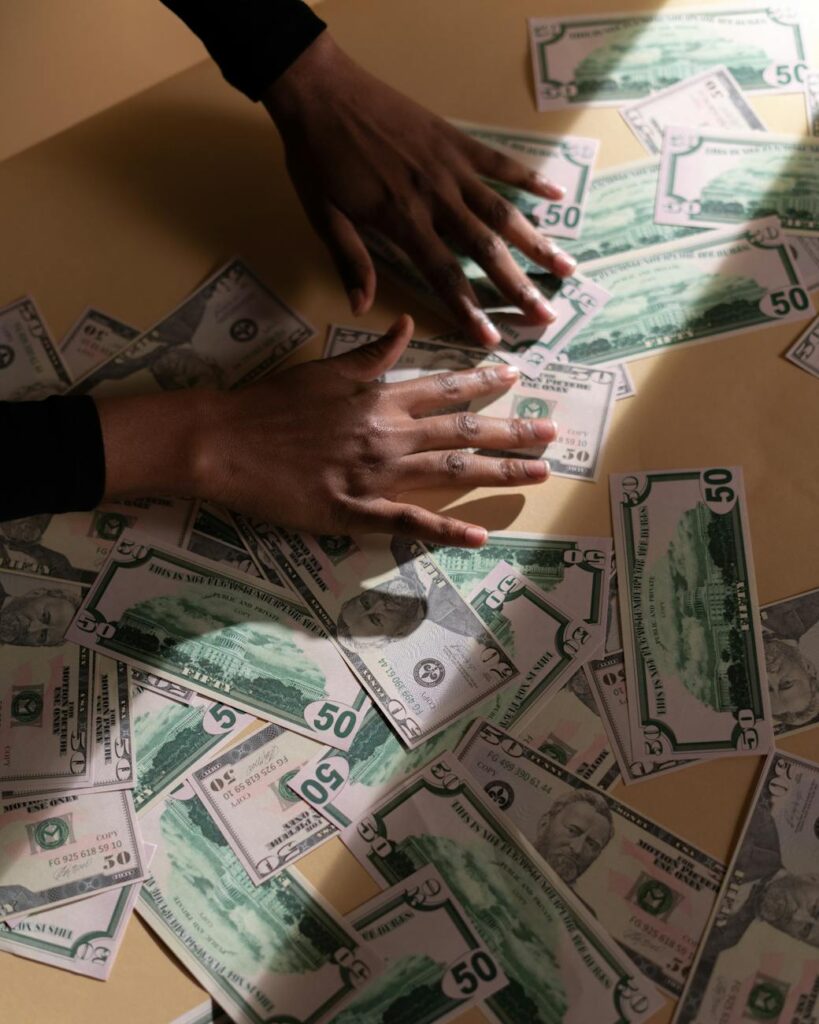
Wealth Struggles Narratives: Statistics and Trends
Introduction
In a world where wealth is often flaunted and poverty hidden, the chasm between rich and poor continues to widen. Behind every statistic lies a story—stories of dreams deferred, families torn apart, and lives reshaped by financial struggle. The narratives of wealth struggles are not merely numbers; they are the poignant accounts of individuals grappling with circumstances that often seem insurmountable. This article delves into the emotional landscapes of those caught in the relentless grip of financial hardship, challenging the notion that wealth is merely a result of hard work and ambition.
What Is Wealth Struggles Narratives?
Wealth struggles narratives capture the lived experiences of individuals and families who face economic challenges. These stories reveal the emotional weight of financial insecurity, from the anxiety of living paycheck to paycheck to the despair of insurmountable debt. They highlight the stark realities of those who find themselves trapped in cycles of poverty, where hope often feels like a fleeting mirage. These narratives are not just about statistics; they are about real people who navigate a world that often overlooks their plight.
Why It Matters
Understanding wealth struggles is essential for grasping the nuances of our economy. It illuminates the human cost of wealth inequality, which is often sanitized in academic discussions but is raw and visceral in real life. When we listen to these stories, we begin to understand the profound impact that financial hardship has on mental health, family dynamics, and social mobility. The narratives remind us that behind the façade of wealth, there is often a hidden struggle, one that deserves our attention and empathy.
Key Facts and Statistics
- Income Inequality: According to data from the World Inequality Report, the wealthiest 1% of the global population owns more than 43% of the world’s wealth, while the bottom half possesses less than 1%.
- Poverty Rates: The World Bank estimates that around 689 million people live on less than $1.90 a day, a stark reminder that poverty remains a widespread issue.
- Debt Crisis: In the United States alone, over 44 million borrowers owe a staggering $1.7 trillion in student debt, often delaying life milestones like buying a home or starting a family.
- Mental Health: A study by the American Psychological Association found that financial stress is one of the leading causes of anxiety and depression, significantly affecting overall well-being.
These statistics paint a grim picture, but they only scratch the surface of the emotional realities that accompany financial instability.
Impact on Wealth and Poverty
The impact of wealth struggles reverberates through families and communities. It often leads to a sense of hopelessness that can be suffocating, where dreams are stifled by the weight of financial burden. A mother might work two jobs just to put food on the table, sacrificing precious time with her children. A young graduate burdened by student loan debt may feel trapped in a job that offers little fulfillment, perpetuating a cycle of discontent.
In more affluent neighborhoods, the disparities are stark. While some families invest in their children’s future with access to quality education and extracurricular activities, others lack these opportunities, creating a divide that can last generations. Wealth becomes a tool for empowerment, while poverty often becomes a legacy of struggle.
Real World Examples
Consider the story of Maria, a single mother of three living in a low-income neighborhood. Every month, she juggles bills, often choosing between paying rent and buying groceries. The constant stress affects her health, leading to anxiety that she can’t afford to address. Maria dreams of a stable home for her children but feels trapped in a cycle where every step forward is met with two steps back.
In contrast, there’s James, a tech entrepreneur who, despite his immense wealth, recalls his humble beginnings. He often speaks of his childhood filled with uncertainty, but his success has afforded him opportunities that are inaccessible to many. His story, while inspiring, also highlights the disparities in access to resources and support systems that allow some to rise while others remain stagnant.
Advantages and Disadvantages
The advantages of wealth are clear; it provides security, access to education, and opportunities for growth. However, wealth can also create a disconnect from the realities faced by those in poverty. The sense of entitlement and the inability to empathize can lead to an “us vs. them” mentality.
On the other hand, the disadvantages of poverty are multifaceted. The emotional toll of living in financial insecurity can lead to mental health issues, strained relationships, and a sense of isolation. Moreover, the stigma surrounding poverty often prevents individuals from seeking help, perpetuating the cycle of struggle.
Future Trends
As we look to the future, the narratives of wealth struggles are likely to evolve. The COVID-19 pandemic exposed vulnerabilities in our economic systems, leading to a renewed focus on the importance of social safety nets. However, with automation and the gig economy reshaping traditional employment, the gap between the wealthy and the impoverished may continue to widen if proactive measures are not taken.
Moreover, conversations around wealth redistribution and equitable access to resources are gaining momentum. Grassroots movements advocating for change are emerging, fueled by the stories of those who have experienced the harsh realities of financial struggle. The hope is that by amplifying these narratives, we can foster a greater understanding of the systemic issues at play, leading to meaningful change.
Frequently Asked Questions
What are wealth struggles narratives?
Wealth struggles narratives are personal accounts that illustrate the experiences of individuals facing financial hardship. They highlight the emotional and psychological effects of poverty and wealth inequality.
Why are these narratives important?
These narratives are essential for understanding the human cost of wealth inequality. They provide insight into the experiences of those affected, fostering empathy and awareness in a society often disconnected from these realities.
How can understanding wealth struggles impact societal change?
By amplifying the voices of those experiencing financial hardship, we can challenge prevailing narratives around wealth and poverty. This awareness can lead to advocacy for policies and practices that promote equity and support for those in need.
Are there solutions to wealth struggles?
While there is no one-size-fits-all solution, community support, education, and policy changes aimed at reducing inequality are critical. Grassroots movements and advocacy play a vital role in pushing for change.
How can I help those struggling with wealth inequality?
Consider volunteering with local organizations, donating to causes that support economic justice, or advocating for policy changes that address wealth inequality. Listening to and amplifying the stories of those in need is also a powerful way to effect change.
Conclusion
The narratives of wealth struggles are a stark reminder of the complexities of our economy. They reveal the emotional depth behind statistics and the human stories that often go untold. As we navigate this landscape, it is crucial to listen with empathy and act with intention, recognizing that behind every number is a life affected by the choices we make as a society. Only by acknowledging these struggles can we hope to foster a more equitable future.