
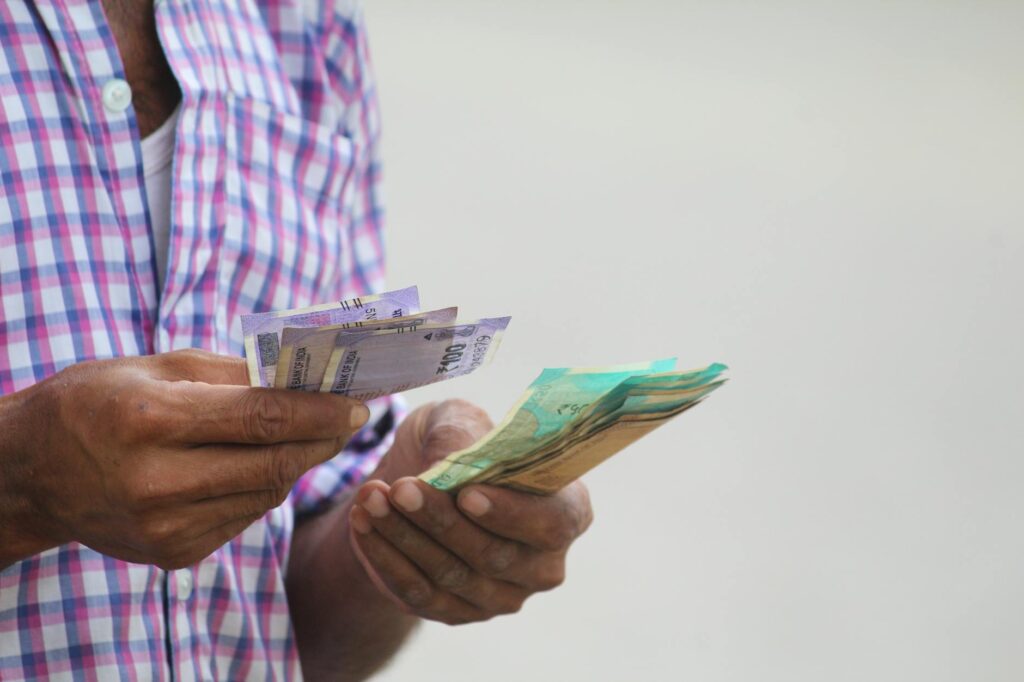
Wealth Disparity Explained for Beginners
Introduction
Wealth disparity refers to the unequal distribution of assets among individuals or groups in society. It encompasses not only the differences in income but also the ownership of property, investments, and other financial resources. Understanding wealth disparity is crucial for grasping the broader economic landscape and its implications on social issues. This article aims to provide a clear and comprehensive explanation of wealth disparity, its significance, and its impact on society.
What Is Wealth Disparity?
Wealth disparity is often represented as the gap between the wealthiest individuals and the rest of the population. It is measured using various metrics, including the Gini coefficient, which quantifies income inequality on a scale from 0 to 1, where 0 represents perfect equality and 1 indicates maximum inequality. In addition to income, wealth disparity considers factors such as property ownership, education, and access to financial services.
Wealth vs. Income
While wealth and income are related concepts, they are not synonymous. Income refers to the flow of money received, typically through wages, salaries, or investments, while wealth is the total value of assets owned, minus liabilities. This distinction is vital when discussing disparities, as individuals may have high incomes but low wealth due to debts, or vice versa.
Why It Matters
Understanding wealth disparity is essential for several reasons:
1. Social Stability: High levels of wealth disparity can lead to social unrest and dissatisfaction. When a significant portion of the population feels economically marginalized, it may lead to protests, crime, and political instability.
2. Economic Growth: Disparities can hinder economic growth. When wealth is concentrated in the hands of a few, it limits overall consumer spending, which is crucial for a thriving economy.
3. Access to Opportunities: Wealth disparity often translates to unequal access to opportunities in education, healthcare, and social mobility. Those with fewer resources may struggle to improve their circumstances, perpetuating a cycle of poverty.
Key Facts and Statistics
- Global Wealth Disparity: According to a 2021 report by Credit Suisse, the top 1% of the global population owns 44% of total wealth, while the bottom half owns less than 1%.
- Income Inequality: The World Inequality Report 2022 indicated that the richest 10% of the world’s population earn 52% of total global income, while the poorest 50% earn only 8%.
- Regional Disparities: Wealth inequality varies significantly by region. For instance, countries in Sub-Saharan Africa experience some of the highest inequality levels, with the Gini coefficient often exceeding 0.5.
Impact on Wealth and Poverty
Wealth disparity has profound implications for both wealth accumulation and poverty levels:
1. Intergenerational Wealth: Families with significant wealth can pass down assets, providing their descendants with economic advantages, educational opportunities, and social networks. Conversely, families with little to no wealth often face barriers that hinder upward mobility.
2. Poverty Rates: Wealth disparity contributes to poverty rates. Individuals from low-income backgrounds may find it challenging to escape poverty due to limited access to quality education and jobs that offer livable wages.
3. Economic Mobility: Research shows that countries with high wealth disparity tend to have lower levels of social mobility. This means that individuals born into poorer families are less likely to achieve economic success compared to those from wealthier backgrounds.
Real World Examples
United States
In the U.S., wealth disparity has been a growing concern, especially in the last few decades. The Federal Reserve’s 2020 Survey of Consumer Finances revealed that the top 10% of families held 70% of the nation’s wealth. Factors contributing to this trend include the rise of technology and finance sectors, which have disproportionately benefited wealthy individuals.
Brazil
Brazil is another example of a nation grappling with wealth disparity. Despite being one of the largest economies in Latin America, it has one of the highest Gini coefficients in the world. Efforts to address this issue include social programs like Bolsa Família, which aim to provide financial assistance to low-income families.
Sweden
In contrast, Sweden is often cited as a model for reducing wealth disparity. The Nordic welfare model emphasizes progressive taxation, universal healthcare, and accessible education, contributing to relatively low levels of inequality compared to other advanced economies.
Advantages and Disadvantages
Advantages of Addressing Wealth Disparity
1. Increased Economic Growth: Reducing wealth disparity can lead to higher consumer spending and stimulate economic growth. A more equal distribution of wealth allows more individuals to participate in the economy.
2. Social Cohesion: Addressing wealth disparity can enhance social stability and cohesion. A society with lower inequality is often less prone to conflict and more conducive to collaborative efforts.
3. Improved Access to Education: Policies aimed at reducing wealth disparity often include investments in education, which can lead to a more skilled workforce and better job opportunities.
Disadvantages of Addressing Wealth Disparity
1. Resistance to Change: Efforts to reduce wealth disparity can face opposition from those who benefit from the status quo. This resistance can hinder legislative changes and reforms.
2. Economic Disincentives: Critics argue that policies aimed at reducing wealth disparity, such as high taxation on the wealthy, may discourage investment and entrepreneurship, potentially hindering economic growth.
3. Implementation Challenges: Introducing effective policies to address wealth disparity can be complex and require significant resources. Governments may struggle to implement reforms that effectively target the root causes of inequality.
Future Trends
The future of wealth disparity is influenced by various factors, including technological advancements, global economic shifts, and policy decisions. Some trends to watch include:
1. Technological Disruption: Automation and artificial intelligence may exacerbate wealth disparity by displacing low-wage workers while benefiting those who own capital and technology.
2. Universal Basic Income (UBI): Some countries are exploring UBI as a potential solution to wealth disparity. This concept involves providing citizens with a regular, unconditional sum of money, aiming to ensure a basic standard of living.
3. Climate Change: Wealth disparity may be affected by climate change, as low-income communities are often more vulnerable to environmental impacts. Addressing these disparities will require inclusive policies that consider environmental sustainability.
Frequently Asked Questions
What is the difference between wealth and income?
Wealth encompasses the total value of assets owned, including property, investments, and savings, while income refers to the flow of money received, such as wages and dividends.
How is wealth disparity measured?
Wealth disparity is often measured using the Gini coefficient, which quantifies income inequality, or by analyzing the distribution of wealth across different percentiles in society.
What are the consequences of wealth disparity?
Consequences of wealth disparity include social instability, limited economic growth, reduced access to opportunities, and persistent poverty.
Can wealth disparity be reduced?
Yes, wealth disparity can be reduced through various means, including progressive taxation, investments in education and healthcare, and social programs aimed at improving economic mobility.
Why is wealth disparity a global issue?
Wealth disparity is a global issue because it affects social stability, economic growth, and access to opportunities across nations. Addressing it requires international cooperation and policy alignment.
Conclusion
Wealth disparity remains a pressing global issue with far-reaching implications for individuals and societies. By understanding its causes, impacts, and potential solutions, individuals can engage in informed discussions and contribute to efforts aimed at fostering a more equitable economic landscape. Addressing wealth disparity is not just a matter of economic policy; it is a fundamental step towards achieving social justice and improving the quality of life for all.