
Wealth Barriers Explained for Beginners
Introduction
Imagine waking up every morning, staring at a pile of bills, and wondering how you’ll make ends meet. In stark contrast, picture someone else rising in a luxurious home, their biggest worry being which vacation destination to choose next. This is not merely a tale of two individuals; it’s a reflection of a world divided by wealth barriers—an invisible yet palpable line that separates the haves from the have-nots. These barriers are not just financial; they are emotional, psychological, and sometimes, insurmountable.
What Are Wealth Barriers?
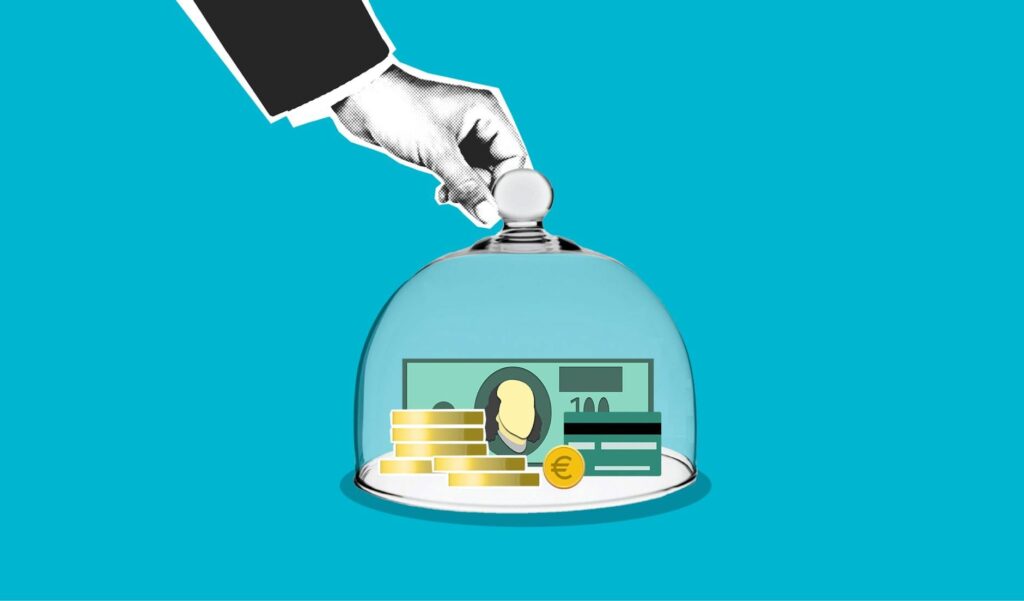
Wealth barriers are the obstacles that prevent individuals and families from accessing the resources and opportunities needed to improve their financial situation. They can take many forms—systemic inequality, lack of access to quality education, healthcare disparities, and even social stigmas that reinforce the divide. These barriers are deeply entrenched in societal structures and often perpetuate the cycle of poverty, making it incredibly challenging for individuals to climb the socio-economic ladder.
Why It Matters
Understanding wealth barriers is crucial because they dictate life outcomes. For many, these barriers are like heavy chains, anchoring them to a life of struggle and despair. The emotional toll is profound; dreams become distant memories, and hope often feels like a cruel illusion. Meanwhile, those on the other side of the wealth spectrum often remain oblivious to the struggles faced by the less fortunate, reinforcing a cycle of indifference. It matters because every day, countless lives are impacted by these barriers, and acknowledging their existence is the first step toward change.
Key Facts and Statistics
- Income Inequality: According to the World Inequality Report, the richest 1% own more than twice as much wealth as the bottom 90% combined. This staggering statistic paints a picture of a world where wealth is not just accumulated but hoarded.
- Educational Disparities: A report from the National Center for Education Statistics reveals that students from low-income families are less likely to graduate from high school, let alone pursue higher education. Education is often cited as the great equalizer, but for many, it remains an unattainable dream.
- Healthcare Access: The Health Affairs Journal states that low-income individuals often have limited access to quality healthcare, leading to poorer health outcomes and, ultimately, reduced earning potential. Imagine battling a chronic illness without the means to seek treatment; the emotional strain can be unbearable.
Impact on Wealth and Poverty
The emotional weight of wealth barriers is often heavier than the financial burden itself. Families caught in the cycle of poverty face not just economic hardship but also emotional scars that linger for generations. Children growing up in impoverished neighborhoods are often surrounded by crime and hopelessness, while their wealthier counterparts enjoy the benefits of safe communities and supportive networks.
The psychological impact is staggering. Children in poverty-stricken areas may internalize feelings of inadequacy, believing that they are destined for failure. The stark reality is that wealth barriers create a chasm that feels insurmountable, fostering a sense of hopelessness that can last a lifetime.
Real World Examples
One poignant story is that of Maria, a single mother living in a low-income neighborhood. Every month, she juggles multiple jobs just to keep her children fed and housed. Maria dreams of a better life for her kids, but the weight of her financial struggles often leaves her feeling overwhelmed and defeated. Her neighbor, on the other hand, is a successful entrepreneur who can afford to send his children to private schools and take annual family vacations. Their children may play together, but the differences in their lives are stark.
Another powerful example is John, a college graduate burdened by student debt. Despite his degree, he finds himself working multiple part-time jobs to make ends meet, leaving little room to save or invest in his future. The constant anxiety surrounding his financial situation takes a toll on his mental health, creating a cycle of stress and despair. While his wealthy peers embark on careers and grow their wealth, John feels trapped in a system that seems rigged against him.
Advantages and Disadvantages
While some may argue that wealth can provide advantages—like access to better education, healthcare, and networking opportunities—the disadvantages for those on the other side of the wealth barrier are often severe. The emotional and psychological toll of poverty can lead to mental health issues, strained relationships, and a perpetual sense of hopelessness.
Conversely, wealth can create a sense of security, but it can also lead to isolation. Wealthy individuals may struggle to relate to those living in poverty, further entrenching the divide. This disconnection fosters a lack of empathy, resulting in a society where the struggles of the less fortunate are often overlooked or dismissed.
Future Trends
The stark reality of wealth barriers is not likely to change without concerted effort. As economic inequalities continue to widen, we are witnessing a growing movement toward social justice and equity. Many organizations are advocating for systemic changes, pushing for policies that address the root causes of wealth disparities.
However, the journey ahead is fraught with challenges. The emotional scars of poverty can take generations to heal, and for many, the fight against wealth barriers feels like an uphill battle. There is hope, though; as awareness grows, so does the potential for change. The question remains: will society respond with compassion, or will it turn a blind eye to the struggles faced by millions?
Frequently Asked Questions
What are some common wealth barriers?
Common wealth barriers include lack of access to quality education, inadequate healthcare, systemic racism, and limited job opportunities. These barriers often intersect, compounding the challenges faced by individuals in poverty.
How do wealth barriers affect children?
Children growing up in poverty often face multiple disadvantages, including limited access to quality education and healthcare. The emotional impact can lead to feelings of hopelessness and inadequacy, affecting their long-term prospects.
What can be done to address wealth barriers?
Addressing wealth barriers requires systemic change, including equitable access to education, healthcare, and job opportunities. Advocacy and community engagement can help raise awareness and drive policy changes.
Why should I care about wealth barriers?
Wealth barriers affect not only those who are directly impacted but also society as a whole. Addressing these issues is crucial for creating a more equitable and compassionate world, where everyone has the opportunity to thrive.
—
In a world divided by wealth barriers, the emotional ramifications are profound and far-reaching. Acknowledging these obstacles is the first step toward understanding their impact and fostering a society where hope can flourish for all.