
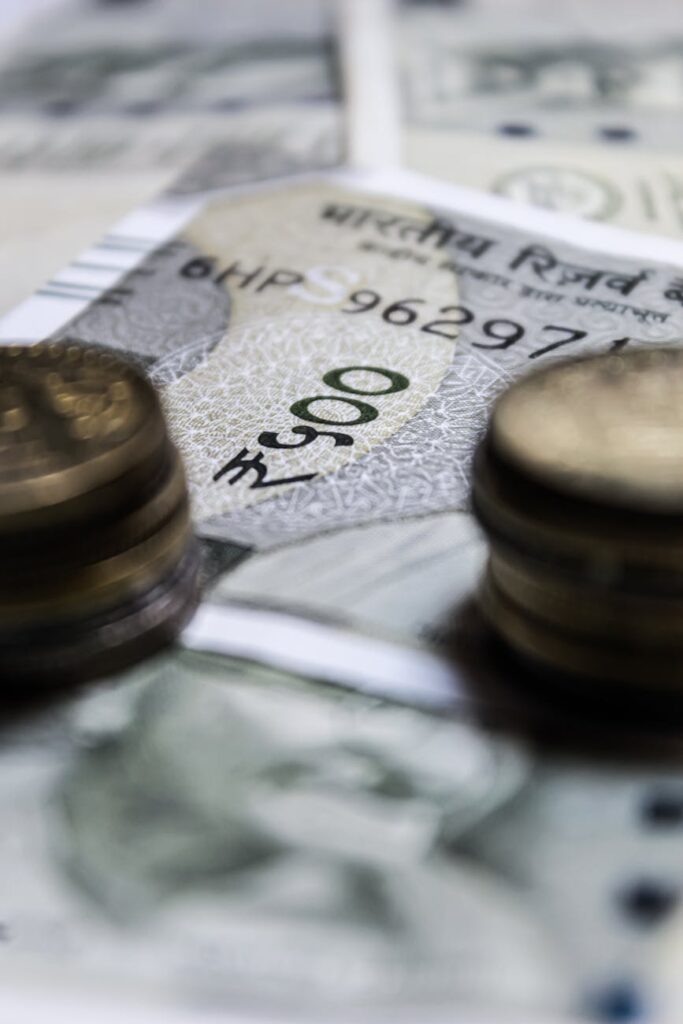
Wealth and Poverty Stories: Statistics and Trends
Introduction
In a world where currency can dictate the course of lives, stories of wealth and poverty intertwine like threads in an intricate tapestry, revealing the heart-wrenching realities many face daily. While glimmering skyscrapers and luxury cars symbolize affluence, just steps away, lives are marred by debt, struggle, and despair. The stark contrasts between the lives of the rich and the poor are not mere statistics; they are the narratives of human experience, filled with emotion, sacrifice, and resilience.
What Is Wealth and Poverty Stories?
Wealth and poverty stories are the lived experiences of individuals and families navigating the vast chasm between financial abundance and scarcity. These narratives provide insight into the emotional toll of economic disparity. They showcase the daily battles faced by the impoverished, often highlighting how systemic inequalities perpetuate cycles of poverty, while also shedding light on the lives of the wealthy, revealing the privileges and pressures that come with affluence.
Why It Matters
Understanding these stories is crucial for fostering empathy and awareness. When we hear about a family struggling to make ends meet or a child deprived of basic education due to financial constraints, we are reminded of our shared humanity. These stories compel us to reflect on our values and the systems in place that allow wealth to accumulate at the top while others grapple with the weight of poverty. They are not just tales of hardship; they are calls to action for social and economic change.
Key Facts and Statistics
The statistics surrounding wealth and poverty are staggering. According to a report from Oxfam, the wealth of the world’s richest 1% is greater than that of the remaining 99%. In the United States, the top 10% of earners hold 70% of the nation’s wealth, while millions live paycheck to paycheck, one medical emergency away from financial ruin. The emotional ramifications of these disparities are felt deeply; each statistic represents a life impacted, dreams deferred, and potential wasted.
The Cycle of Poverty
The cycle of poverty is insidious. Children born into low-income households are often deprived of quality education, leading to limited job opportunities. This vicious cycle continues, as lack of access to resources perpetuates poverty across generations. Stories of families who lose their homes or are forced to choose between food and healthcare paint a grim picture of survival, where hope becomes a fleeting emotion.
Impact on Wealth and Poverty
The emotional impact of wealth and poverty can be devastating. For those in poverty, every day is a struggle against overwhelming odds—an uphill battle that chips away at their spirit. The stress of financial instability can lead to mental health issues, strained relationships, and even physical ailments. In contrast, the wealthy often face their own emotional burdens, such as isolation and the pressure to maintain their status, which can lead to anxiety and emptiness.
Real World Examples
The Single Mother
Consider the story of Maria, a single mother of two, working tirelessly at a minimum-wage job. Each month, she juggles bills, often having to choose between paying rent and putting food on the table. Her children, bright and full of potential, are limited by their circumstances. Maria dreams of a better life for them, yet the weight of her financial reality often dims that hope. Each time she hears of someone striking it rich, it stings—a reminder of the barriers she faces and the generational poverty that seems insurmountable.
The Tech Mogul
On the other side of the spectrum is Jonathan, a tech mogul whose innovations have transformed industries. While he enjoys the luxuries of wealth, his life is not without its own challenges. The pressure to continuously innovate and maintain a public persona takes a toll on his mental health. The loneliness that accompanies his status is palpable, and the very wealth that provides comfort also creates a barrier between him and authentic human connection.
Advantages and Disadvantages
The advantages of wealth are clear—access to quality healthcare, education, and opportunities that can pave the way for a brighter future. Yet, the emotional cost can be high. For the wealthy, the pressure to succeed can lead to burnout, while the absence of authentic relationships can foster a sense of isolation.
Conversely, the disadvantages faced by the impoverished are daunting. They grapple with limited access to essential services, societal stigma, and the emotional toll of constant struggle. But within this adversity, stories of resilience emerge—individuals who rise above their circumstances to inspire change in their communities.
Future Trends
As we look to the future, the gap between the wealthy and the poor is expected to widen unless significant changes are made. The rise of automation threatens to eliminate jobs that many low-income individuals rely on, while the cost of living continues to soar. The emotional weight of uncertainty looms heavy over millions, casting a long shadow on their dreams and aspirations.
However, there is hope. Grassroots movements and advocacy for equitable policies are gaining momentum, bringing attention to the plight of the marginalized. As stories of struggle reach a broader audience, they ignite a fire for change, urging society to confront the systemic issues that perpetuate economic inequality.
Frequently Asked Questions
How does wealth affect mental health?
Wealth can create pressure and isolation, while poverty can lead to stress and anxiety. Both situations have unique emotional impacts on individuals, often leading to mental health challenges.
Can poverty be eradicated?
While it may seem an insurmountable challenge, addressing systemic inequalities and providing access to education, healthcare, and job opportunities can significantly reduce poverty levels.
How can individuals contribute to change?
Supporting local charities, advocating for policy changes, and raising awareness about wealth inequality can all contribute to creating a more equitable society.
What role does education play in breaking the cycle of poverty?
Education is a powerful tool for breaking the cycle of poverty. It opens doors to better job opportunities and helps individuals gain the skills needed to succeed.
Is wealth inherently bad?
Wealth itself is not inherently bad; however, when it accumulates at the top while others struggle, it raises moral questions about societal values and priorities.
Conclusion
The stories of wealth and poverty are not just statistics; they are the voices of humanity, echoing through the corridors of society. They remind us that behind every number lies a life, a dream, and an unyielding spirit. Understanding these narratives compels us to confront the harsh realities of economic inequality and inspires a collective effort to create a world where every story can shine brightly, regardless of financial status. As we listen, we must also act—turning empathy into tangible change for a more equitable future.