
Real World Examples of Economic Hardship Stories
Introduction
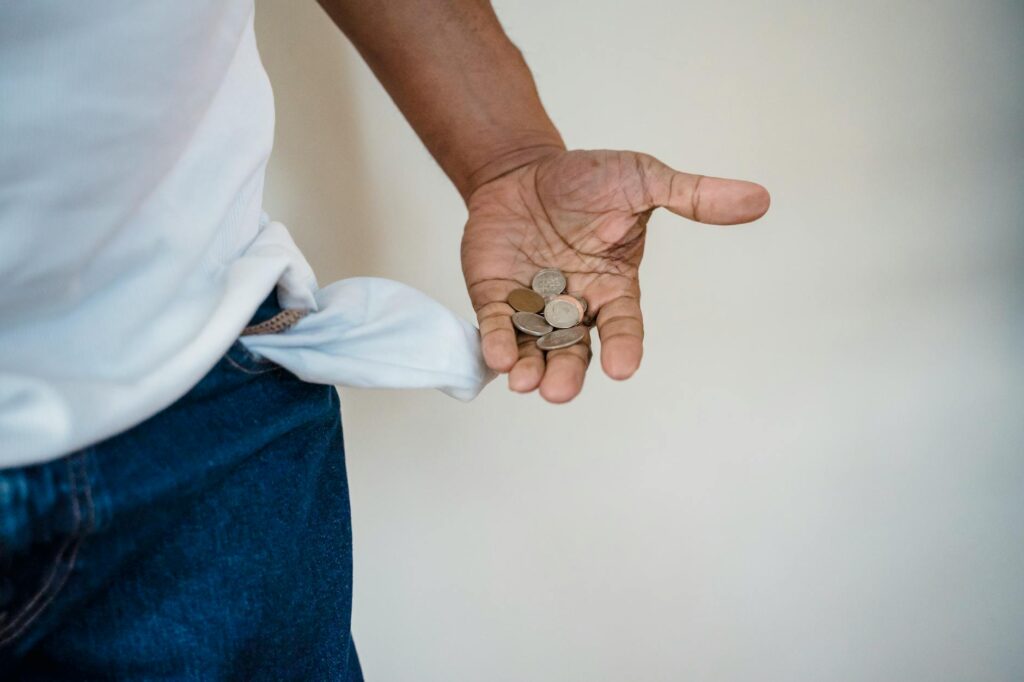
Imagine waking up each day, the weight of uncertainty pressing down on your chest. You hear the familiar sounds of your neighborhood—the laughter of children playing, the distant hum of traffic—but all you can focus on is the gnawing anxiety over bills left unpaid. This is not just a narrative; it’s the daily reality for millions around the globe who are caught in the relentless cycle of economic hardship. Stories of economic struggle are more than statistics; they are the poignant tales of human lives, dreams deferred, and aspirations crushed under the weight of financial despair.
What Is Economic Hardship Stories?
Economic hardship stories encompass the lived experiences of individuals and families who face the stark realities of poverty, debt, and financial instability. These narratives are not merely numbers on a spreadsheet but are woven with emotions—fear, desperation, and sometimes, fleeting hope. They reflect the systemic issues that keep the rich insulated and the poor perpetually vulnerable. Each story reveals the human cost of economic policies, market fluctuations, and societal indifference to those who suffer in silence.
Why It Matters
Understanding these stories is crucial. They humanize statistics and provide context to the abstract discussions of wealth inequality. When we hear about a family struggling to make ends meet, it’s not just a story of financial ruin; it’s a reflection of societal values, priorities, and the moral obligation we hold toward one another. These accounts compel us to confront uncomfortable truths about our economic systems and challenge us to consider what it means to live in a world where the gap between the wealthy and the impoverished continues to widen.
Key Facts and Statistics
Before diving into individual stories, it’s essential to grasp the broader context. According to the World Bank, around 9.2% of the world’s population lives on less than $1.90 a day, a stark reminder of the grinding poverty faced by millions. In the United States, the Federal Reserve reported that nearly 40% of Americans would struggle to cover a $400 emergency expense. These figures illustrate a growing divide, where wealth is concentrated in the hands of a few, while the majority teeter on the brink of financial disaster.
Impact on Wealth and Poverty
The impact of economic hardship extends beyond the individual. Families find themselves trapped in cycles of debt, unable to invest in education or health care, which perpetuates poverty for generations. The emotional toll is profound; parents grapple with feelings of shame and inadequacy as they strive to provide for their children, often resorting to difficult choices that compromise their values and aspirations. The societal implications are equally dire, leading to increased crime rates, deteriorating mental health, and social unrest.
Real World Examples
The Jones Family
Meet the Jones family, living in a modest apartment in a struggling neighborhood. Mark, the father, used to work as a mechanic, but after a workplace accident left him unable to perform manual labor, their financial situation spiraled. With mounting medical bills and the loss of his income, the family was forced to make heartbreaking decisions. They chose to forgo meals to pay for rent, hoping their children wouldn’t notice their hunger. Each evening, they sat together at a table, pretending everything was normal, while the reality of their situation loomed large.
Maria’s Story
Maria, a single mother of three, juggles multiple part-time jobs just to keep the lights on. Her day begins before dawn and stretches late into the night, leaving her exhausted yet driven by love for her children. They dream of a better life, but each time she checks the bank account, a wave of despair washes over her. With rent due and her paychecks barely covering necessities, Maria often finds herself choosing between paying for her son’s school supplies and buying groceries. The guilt is crushing, and the fear of losing her home is a constant shadow.
The Silent Suffering of Elderly Citizens
Consider Mr. Thompson, an elderly man who worked hard all his life. After decades of labor, he now lives on a meager pension that barely covers his basic needs. The rising cost of health care makes it nearly impossible for him to afford necessary medications. He often skips doses to save money, knowing that each day could be his last. The loneliness of his situation is compounded by the feeling of being invisible in a society that seems to have moved on without him. His story is one of quiet desperation, one that echoes the struggles of countless others in similar situations.
Advantages and Disadvantages
The narratives of economic hardship reveal both the resilience and vulnerabilities of those affected. On one hand, these stories highlight the human spirit’s capacity to endure, adapt, and, at times, overcome adversity. People find creative ways to cope, forming communities that offer support and solidarity. However, the disadvantages are stark; systemic barriers, lack of access to education, and inadequate social safety nets perpetuate cycles of poverty. The emotional toll of living in constant stress and uncertainty can lead to long-term mental health issues, compounding the hardships faced by families.
Future Trends
As we look to the future, the prospects for addressing economic hardship seem both daunting and hopeful. The rise of technology and automation threatens to displace jobs, potentially increasing economic inequality. Yet, there is also a growing awareness of the importance of social responsibility among businesses and individuals. Movements advocating for a living wage, universal basic income, and debt forgiveness are gaining traction, fueled by the stories of those who have been marginalized. The challenge lies in transforming these narratives into action that can create lasting change.
Frequently Asked Questions
What can individuals do to help those in economic hardship?
Supporting local charities, advocating for policy changes, and raising awareness about poverty can make a significant difference. Small acts of kindness, such as volunteering time or resources, can provide immediate relief to those in need.
How can we address wealth inequality on a systemic level?
Engaging in discussions about fair wages, tax reforms, and social safety nets is essential. Advocating for policies that prioritize the needs of the most vulnerable can help create a more equitable society.
What role does education play in breaking the cycle of poverty?
Education is a powerful tool for empowerment. Access to quality education can provide individuals with the skills and opportunities needed to improve their financial situations, thereby helping to break the cycle of poverty.
How can storytelling change perceptions about poverty?
Personal stories humanize the issue of poverty, encouraging empathy and understanding. Sharing these narratives can shift public perception, fostering a sense of community and collective responsibility.
—
In conclusion, the stories of economic hardship are not just tales of struggle; they are calls to action. They remind us of our shared humanity and the moral imperative to uplift those who are suffering. By listening to these narratives, we can begin to understand the complexities of economic hardship and work towards a world where everyone has the opportunity to thrive.