
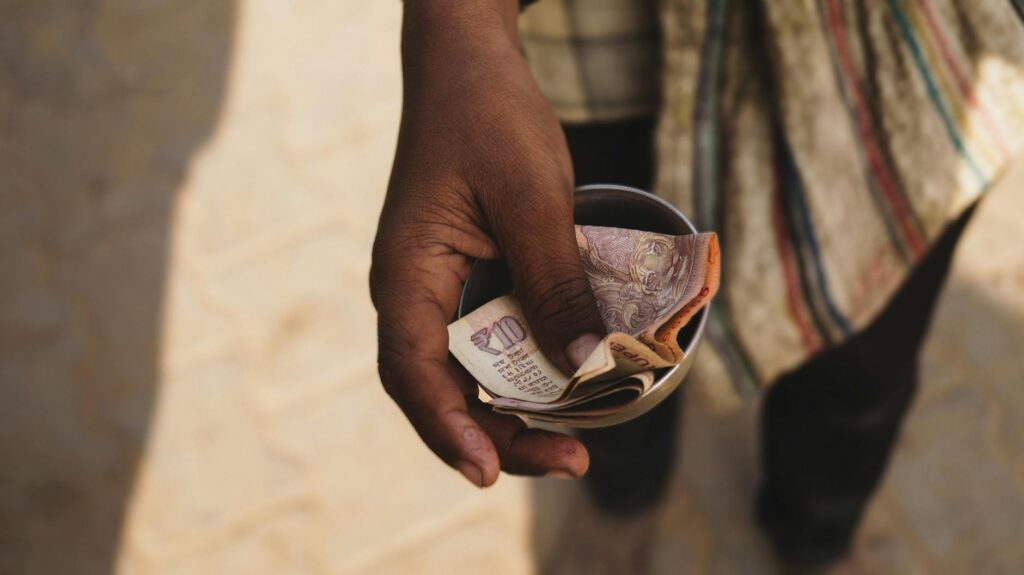
Pros and Cons of Wealth Poverty Narratives
Introduction
In a world marked by stark contrasts between wealth and poverty, the narratives surrounding these disparities shape our understanding and response to them. These stories are not merely statistics on a page; they are the lived experiences of individuals and families. They evoke emotions, challenge our perceptions, and influence our actions. The tale of wealth and poverty is woven into the fabric of our society, and as we delve into these narratives, we uncover the profound impact they have on our collective psyche.
What Is Wealth Poverty Narratives?
Wealth poverty narratives refer to the stories and experiences that illustrate the divide between the affluent and the impoverished. These narratives often highlight the struggles of those living in poverty, juxtaposed with the privileges enjoyed by the wealthy. They encompass personal stories, social commentary, and cultural critiques, illustrating how systemic inequalities perpetuate cycles of wealth and poverty. Through these narratives, we witness the emotional toll of financial hardship, the dreams deferred, and the hope that flickers even in the darkest circumstances.
Why It Matters
The significance of wealth poverty narratives cannot be overstated. They serve as mirrors reflecting the societal values that dictate who thrives and who merely survives. By sharing these stories, we humanize the statistics and foster empathy, pushing society to confront uncomfortable truths. Wealth poverty narratives challenge us to question systemic injustice—why, in a world of abundance, do so many still struggle to make ends meet? They provoke thought, ignite conversations, and, ideally, inspire change.
Key Facts and Statistics
While the emotional weight of these narratives is palpable, they are often grounded in unsettling statistics. Globally, the wealthiest 1% own more than half of the world’s wealth, while billions live on less than $2 a day. In many countries, the gap between the rich and the poor continues to widen, with the middle class under increasing pressure. In the United States alone, the wealth gap has reached levels not seen since the Great Depression. These numbers are not just figures; they represent families facing eviction, children going to bed hungry, and dreams being shattered.
Impact on Wealth and Poverty
The narratives surrounding wealth and poverty shape public perception and policy decisions. When stories of hardship are shared, they can galvanize support for social programs and initiatives aimed at alleviating poverty. Conversely, the glorification of wealth can reinforce harmful stereotypes that paint the poor as lazy or unworthy. These narratives can perpetuate cycles of inequality, where the wealthy are viewed as deserving of their fortune, while the poor are seen as responsible for their plight. The emotional resonance of these stories can lead to a greater understanding of the systemic issues at play, but they can also foster resentment and division.
Real World Examples
Consider Maria, a single mother working multiple jobs to provide for her children. Despite her tireless efforts, she finds herself trapped in a cycle of debt, unable to afford basic necessities. Her story is a poignant reminder of the everyday struggles faced by millions. In contrast, we have the story of John, an heir to a vast fortune, whose life is filled with privilege and opportunity. While Maria’s narrative is one of survival, John’s is one of ease, highlighting the chasm that separates their realities.
Another example is the tale of two neighborhoods in the same city. One is affluent, teeming with artisanal coffee shops and boutique stores, while the other battles food deserts and unemployment. The residents of the affluent neighborhood may be blissfully unaware of the struggles just a few miles away, illustrating how wealth poverty narratives can create parallel worlds, each with its own set of values and experiences.
Advantages and Disadvantages
The narratives surrounding wealth and poverty come with their own set of advantages and disadvantages.
Advantages
1. Awareness and Empathy: Wealth poverty narratives can raise awareness about systemic inequalities, fostering greater empathy among those not directly affected by poverty.
2. Catalysts for Change: These stories can inspire action, motivating individuals and organizations to advocate for policies that address social injustices.
3. Community Connection: Sharing personal experiences can create a sense of community among those facing similar challenges, providing comfort and solidarity.
Disadvantages
1. Stereotyping and Stigmatization: Wealth poverty narratives can sometimes reinforce negative stereotypes about the poor, leading to stigmatization and blame.
2. Oversimplification: The complexity of poverty and wealth can be oversimplified in narratives, reducing individuals to mere statistics or archetypes.
3. Emotional Fatigue: Constant exposure to stories of hardship can lead to compassion fatigue, where individuals become desensitized to the struggles of others.
Future Trends
As society increasingly embraces digital storytelling, wealth poverty narratives will likely evolve. Social media platforms allow for diverse voices to be heard, giving rise to grassroots movements that challenge the status quo. We may see a shift towards narratives that celebrate resilience and agency among marginalized communities, emphasizing not just the struggles but also the triumphs of individuals. These evolving narratives can foster a more nuanced understanding of wealth and poverty, encouraging deeper conversations about systemic change.
Frequently Asked Questions
What role do personal narratives play in understanding wealth and poverty?
Personal narratives humanize the statistics, providing context and emotion. They allow us to connect with the experiences of others and cultivate empathy, challenging preconceived notions about wealth and poverty.
How can I support those struggling with poverty?
Engaging with local organizations, advocating for equitable policies, and sharing wealth poverty narratives can all contribute to meaningful change. Supporting businesses owned by marginalized individuals and amplifying their voices can also foster community empowerment.
Are wealth poverty narratives always negative?
While many wealth poverty narratives focus on struggle, they can also highlight resilience, community support, and hope. It’s essential to recognize the complexity of these stories and the diverse experiences within them.
How can we change the narrative around wealth and poverty?
Changing the narrative requires intentional effort—elevating diverse voices, challenging stereotypes, and advocating for systemic change. By sharing stories that highlight both the struggles and triumphs, we can foster a more empathetic and informed society.
Conclusion
The narratives surrounding wealth and poverty are powerful, shaping our understanding of who we are as a society. They evoke deep emotions, challenge our perceptions, and remind us of the human cost of inequality. As we navigate these complex stories, we must strive for empathy, understanding, and action. In doing so, we can create a world where the narratives of wealth and poverty no longer dictate the futures of individuals and families. Instead, we can rewrite the story together, one of hope, resilience, and collective progress.