
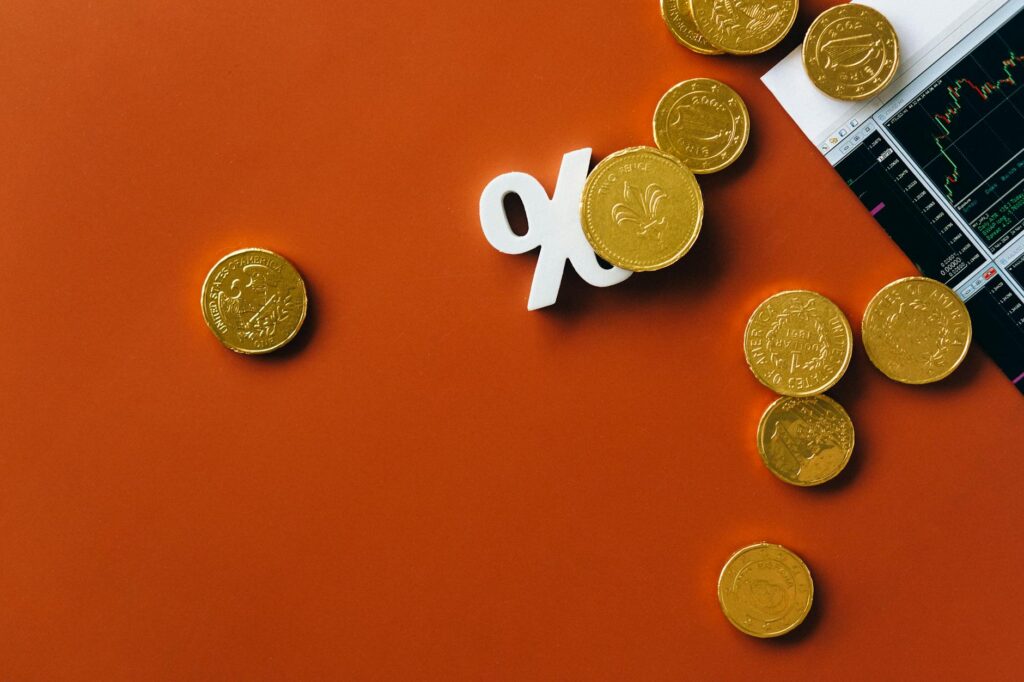
Pros and Cons of Interest Rates
Introduction
In the heart of every economy lies a powerful force that shapes the experiences of the rich and the poor alike: interest rates. This seemingly abstract concept can hold profound implications, dictating the fortunes of individuals, families, and communities. As we delve into the world of interest rates, we’ll uncover not just the mechanics, but the emotional weight they carry. They can be the difference between a family thriving or just surviving, and the divide between the affluent and the impoverished grows deeper with every percentage point.
What Are Interest Rates?
At their core, interest rates are the cost of borrowing money or the reward for saving it. Simply put, when you take out a loan, you pay back the borrowed amount plus interest; when you save, the bank pays you interest on your deposits. This fundamental economic mechanism drives consumer behavior, investment decisions, and ultimately, economic growth.
Yet, while the mechanics might seem straightforward, the consequences of interest rates ripple through the fabric of society, affecting lives in ways both profound and painful.
Why It Matters
Interest rates are more than just numbers; they evoke a spectrum of emotions. For those in the upper echelons of society, low-interest rates can mean affordable loans for investments, the purchasing of second homes, or the funding of lavish lifestyles. However, for low-income families, high-interest rates can plunge them into an endless cycle of debt. The stakes are high, and the emotional toll can be crippling.
Imagine a single mother, working tirelessly to support her children. She needs a reliable car to commute to her job, but the high-interest rates on her loan mean she’s paying nearly double the car’s value by the time it’s paid off. With each payment, she feels the weight of her choices, the anxiety of an uncertain future looming large over her family.
Key Facts and Statistics
Interest rates, set by central banks, fluctuate based on inflation, economic growth, and market conditions. According to the Federal Reserve, when rates are low, borrowing becomes easier, but this can contribute to inflation and asset bubbles. Conversely, when rates rise, the cost of borrowing increases, often leading to decreased spending and investment.
Consider this: in 2021, the U.S. saw a historically low interest rate of 0% to stimulate the economy during the pandemic. While this allowed many to refinance loans, it also led to skyrocketing housing prices, pushing homeownership further out of reach for many struggling families. The gap between those who can take advantage of low rates and those who cannot continues to widen, leaving the latter feeling powerless and trapped.
Impact on Wealth and Poverty
Interest rates act as a magnifying glass, amplifying the disparities in wealth and poverty. High-interest rates can suffocate low-income families who rely on credit for basic needs. A payday loan, which may seem like a quick fix, often leads to a cycle of debt that is nearly impossible to escape. These loans can carry interest rates exceeding 400%, trapping borrowers in a relentless cycle of borrowing to pay off previous loans.
The emotional ramifications are profound. Picture a father who, after losing his job, turns to a payday lender to make ends meet. Each month, he feels the crushing weight of anxiety as he juggles bills, knowing he’s sinking deeper into debt. His dreams of stability for his children fade, replaced by the harsh reality of survival.
On the flip side, lower-income individuals or families who manage to secure loans at low rates can find themselves in a rare position of opportunity, able to invest in education or start a small business. However, the reality is that many are barred from these opportunities due to systemic barriers and a lack of financial literacy, leaving them at the mercy of high-interest alternatives.
Real World Examples
The narrative surrounding interest rates is not merely theoretical; it’s woven into the fabric of everyday life. Take the story of Maria, a young woman from a low-income neighborhood. After graduating college, she faced a mountain of student debt with high-interest rates. While her peers enjoyed the benefits of low-rate loans from affluent families that could co-sign, Maria was left to navigate her financial future alone. Every payment felt like a reminder of her struggles, shackling her dreams before they even took flight.
Conversely, consider the story of James, a successful entrepreneur who leveraged low-interest rates to expand his business. His ability to secure loans at negligible rates allowed him to innovate, hire more employees, and increase profits. For James, interest rates were a ticket to success, while for Maria, they became a barrier to her aspirations.
These stories highlight an uncomfortable truth: interest rates can serve as a gatekeeper, determining who gets ahead and who is left behind.
Advantages and Disadvantages
Advantages
1. Stimulates Economic Growth: Lower interest rates can encourage borrowing and spending, driving economic growth. This can lead to job creation and increased consumer confidence.
2. Investment Opportunities: For those who can access low-interest loans, it opens doors to investments in education, homes, and businesses, potentially leading to long-term financial stability.
3. Debt Consolidation: Those with existing debts can refinance at lower rates, reducing monthly payments and providing relief.
Disadvantages
1. Debt Cycles: High-interest rates can trap low-income families in a perpetual cycle of debt, leading to financial hardship and emotional distress.
2. Wealth Inequality: As interest rates favor the wealthy who can secure low-rate loans, the gap between the rich and the poor widens, creating a society marked by inequality.
3. Market Volatility: Rapid changes in interest rates can create uncertainty in the market, impacting investments and economic stability.
Future Trends
As we look to the future, the landscape of interest rates is poised to evolve. With inflation concerns and a recovering economy, central banks may adjust rates to stabilize growth. The emotional stakes remain high, as families on the brink of financial stability fear the repercussions of rising rates.
Moreover, the rise of digital banking and alternative lending platforms is reshaping the accessibility of loans. Will these changes create a more equitable financial landscape, or will they further entrench the divide? The answer lies in how we address the systemic issues that perpetuate inequality.
Frequently Asked Questions
How do interest rates affect my daily life?
Interest rates impact everything from your mortgage payments to the interest you earn on savings. Higher rates can mean higher costs for loans, while lower rates may provide opportunities for affordable borrowing.
Can interest rates change frequently?
Yes, interest rates can fluctuate based on economic conditions, inflation, and central bank policies. Keeping an eye on these changes can help you make informed financial decisions.
What can I do if I’m struggling with high-interest debt?
If you’re facing high-interest debt, consider seeking financial counseling or exploring debt consolidation options. Understanding your financial situation can help you find a path toward stability.
—
Interest rates are not just mere numbers; they represent the dreams and struggles of individuals navigating the complexities of life. As we continue to witness the widening chasm between the wealthy and the impoverished, it is crucial to recognize the role interest rates play in shaping our collective future.