
Pros and Cons of Economic Hardship Narratives
Introduction
In a world where the chasm between the wealthiest and the most vulnerable continues to widen, the narratives surrounding economic hardship have emerged as powerful stories of struggle, resilience, and inequality. These tales are not merely statistics or theoretical discussions; they are the lived experiences of millions, echoing the pain and hope intertwined in the fabric of our society. The stories we tell about economic hardship shape our understanding of poverty and wealth and influence policy, community support, and individual perceptions of self-worth.
What Is Economic Hardship Narratives?
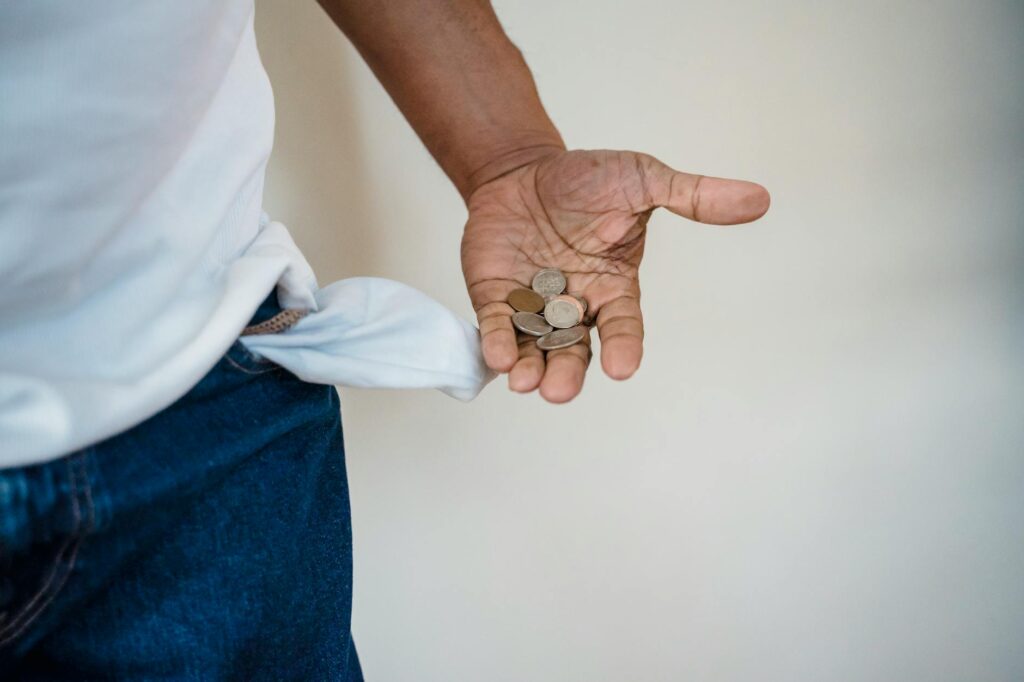
Economic hardship narratives are the personal accounts and stories that depict the struggles faced by individuals and families living in poverty or financial insecurity. They highlight the emotional and psychological toll of economic challenges, from the anxiety of mounting debts to the heartbreak of losing a home. These narratives serve as a bridge connecting individual experiences to broader societal issues, illustrating how systemic failures perpetuate inequalities. They reflect more than just numbers—they capture the essence of human struggle and resilience.
Why It Matters
Understanding these narratives matters because they humanize the often abstract discussions around poverty and wealth inequality. They remind us that behind every statistic lies a story—a family struggling to make ends meet, a single mother fighting to provide for her children, or an elderly couple grappling with medical bills. Economic hardship narratives evoke empathy and challenge complacency. They serve as a call to action, urging society to confront the uncomfortable truths about wealth distribution and to acknowledge that financial stability is a privilege not shared by all.
Key Facts and Statistics
To contextualize these narratives, consider the staggering statistics:
- According to the World Bank, nearly 700 million people worldwide live on less than $1.90 a day, struggling to meet basic needs.
- In the United States, the top 1% of earners hold 15 times more wealth than the bottom 50% combined.
- A report from the International Labour Organization indicates that global unemployment and underemployment rates have risen sharply, exacerbating issues of economic insecurity.
These figures offer a glimpse into the harsh reality faced by many and underscore the importance of sharing stories that bring these statistics to life.
Impact on Wealth and Poverty
The impact of economic hardship narratives extends beyond individual experiences; they shape societal attitudes and influence policy decisions. When stories of struggle are shared widely—through social media, documentaries, or literature—they can foster a sense of urgency around issues such as minimum wage laws, healthcare access, and educational opportunities. Moreover, they challenge the myth that poverty is a personal failing rather than a systemic issue.
However, these narratives can also perpetuate stereotypes, framing the poor as victims rather than resilient individuals. This duality complicates how society perceives and addresses poverty, raising questions about responsibility and justice.
Real World Examples
Consider the story of Maria, a single mother of two living in a rundown neighborhood. After losing her job during the pandemic, she faced a whirlwind of anxiety and despair as bills piled up. Each day was a battle against the clock—rushing to find food for her children while searching for new job opportunities. Maria’s story is one of resilience, but it’s also a stark reminder of how easily one’s life can unravel due to economic hardships.
On the other end of the spectrum, there’s David, a wealthy entrepreneur who, despite his fortune, fights his own demons of isolation and anxiety. His story reveals that financial success does not equate to emotional well-being. David often reflects on the privileges he enjoys and the stark contrast of lives like Maria’s, prompting him to consider his role in addressing the very inequalities he benefits from.
These contrasting narratives serve to illuminate the complexity of wealth and poverty, showing that both ends of the economic spectrum are fraught with struggles, albeit of different natures.
Advantages and Disadvantages
Advantages
1. Empathy and Awareness: Economic hardship narratives foster empathy, allowing those who are comfortable to glimpse the realities of poverty. This awareness can lead to community support and activism.
2. Policy Change: They can influence policymakers, compelling them to address systemic issues that perpetuate poverty and inequality. Personal stories can be more persuasive than cold statistics, swaying public opinion and legislative action.
3. Community Building: Sharing these narratives can create a sense of solidarity among those facing similar struggles, empowering individuals to unite and advocate for their rights.
Disadvantages
1. Stereotyping: Economic hardship narratives can sometimes reinforce negative stereotypes about the poor, painting them as helpless victims rather than active agents of change.
2. Overshadowing Success Stories: While focusing on hardship, the narratives may neglect stories of individuals who have overcome adversity, fostering a narrative of despair rather than resilience.
3. Exploitation: There is a risk that these stories can be commodified or exploited by those seeking to profit from the suffering of others, diluting their authenticity and emotional impact.
Future Trends
As technology continues to evolve, the ways in which economic hardship narratives are shared will also change. Social media platforms provide a space for individuals to voice their experiences, creating a more decentralized narrative landscape. We may see a rise in visual storytelling—documentaries, vlogs, and podcasts—that further humanize these experiences.
Moreover, the intersection of economic hardship with climate change, racial inequality, and global migration will likely dominate future narratives, as these issues are inextricably linked to economic disparities. The stories of those affected by these intersecting crises will demand attention and action from a global audience.
Frequently Asked Questions
What is the primary purpose of economic hardship narratives?
Economic hardship narratives aim to shed light on the personal experiences of those living in poverty, fostering empathy and understanding while advocating for systemic change.
How do these narratives influence policy?
By humanizing statistical data, economic hardship narratives can sway public opinion and encourage policymakers to address the systemic issues that contribute to poverty and inequality.
Can these narratives be harmful?
Yes, while they can foster empathy and awareness, they can also perpetuate stereotypes or be exploited for profit, overshadowing the resilience and agency of those they represent.
How can individuals support these narratives?
Individuals can share their own stories, support organizations that advocate for economic justice, and engage in discussions that challenge stereotypes and misconceptions about poverty.
What role does social media play in these narratives?
Social media serves as a powerful platform for individuals to share their experiences, connect with others, and raise awareness about economic hardship, creating a more inclusive dialogue around poverty.
Conclusion
Economic hardship narratives are vital to understanding the complexities of wealth and poverty in our society. They reveal the emotional landscapes of struggle and resilience, challenging us to confront uncomfortable truths about inequality. While they possess the power to foster empathy and inspire change, we must also be vigilant against the potential pitfalls of stereotyping and exploitation. As we look to the future, it is crucial to amplify diverse voices and ensure that the narratives we share reflect the multifaceted nature of economic hardship—stories of pain, hope, and the relentless pursuit of a better life.