
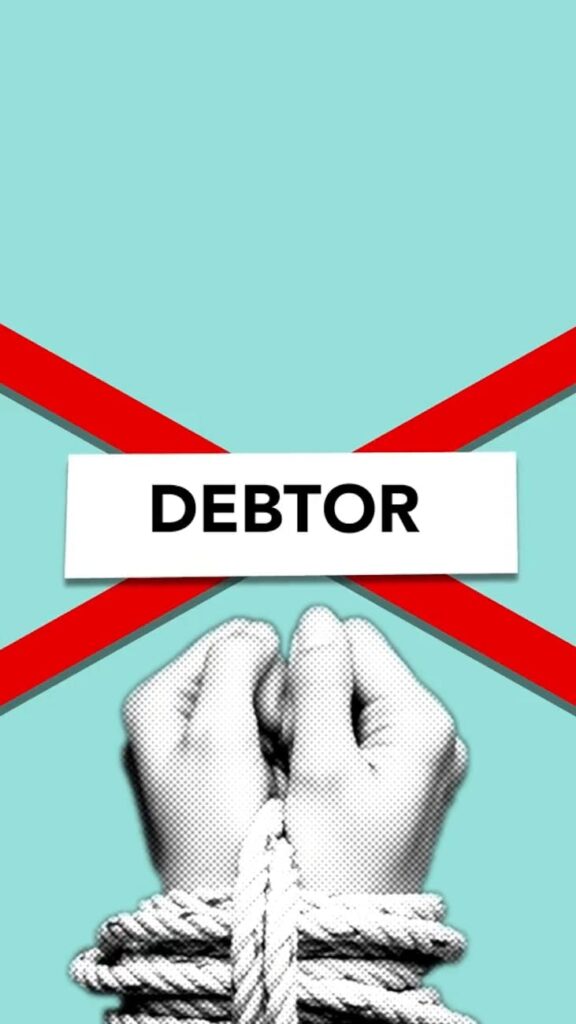
Pros and Cons of Debt Forgiveness
Introduction
In a world where financial stability often feels like a distant dream for many, the concept of debt forgiveness emerges as a beacon of hope. Picture a single mother, working two jobs just to keep food on the table, drowning in credit card debt from unexpected medical bills. Now imagine her burden lifted, her financial chains broken. Yet, as we delve into the emotional landscape of debt forgiveness, we must also confront the darker shadows it casts. Who truly benefits from these programs? And at what cost?
What Is Debt Forgiveness?
Debt forgiveness refers to the cancellation of some or all of an individual’s or entity’s debt. It can come in many forms, from student loan forgiveness programs to bankruptcy declarations, or even government initiatives aimed at alleviating the burdens of the economically disadvantaged. For many, it symbolizes a second chance—a fresh start to rebuild lives that have been devastated by the weight of unmanageable debt. But for others, it raises questions about responsibility and fairness, fueling the narrative of “the deserving poor” versus “the undeserving.”
Why It Matters
Debt is not merely a financial obligation; it is a heavy emotional burden that can affect one’s sense of self-worth, family dynamics, and mental health. When a person is trapped in a cycle of debt, their dreams often fade into the background. A young college graduate, laden with student loans, may feel shackled to a career they never wanted, simply to make ends meet. Conversely, debt forgiveness can be a lifeline, allowing individuals to pursue their passions, invest in their families, and contribute to society in ways that debt had previously rendered impossible.
Key Facts and Statistics
The statistics surrounding debt and its impact on families are staggering. In the United States alone, over 44 million people hold student loan debt, totaling about $1.7 trillion. This burden disproportionately affects low-income families and communities of color, perpetuating a cycle of poverty that is difficult to escape. In 2021, a survey revealed that nearly 60% of Americans would support some form of debt forgiveness. Yet, amidst these numbers lies a profound human reality—families torn apart by financial strain, dreams deferred, and lives altered irrevocably.
Impact on Wealth and Poverty
Debt forgiveness is a powerful tool in the fight against wealth inequality. When debts are forgiven, it can create a ripple effect—individuals can invest in their futures, buy homes, and contribute to their communities. For instance, consider a family that finally receives student loan forgiveness; they can now save for their children’s education, break the generational cycle of poverty, and build a stable life. However, the other side of the coin reveals a growing resentment among those who feel that debt forgiveness rewards irresponsibility, further widening the chasm between the haves and the have-nots.
Real World Examples
Take the story of Sarah, a 32-year-old nurse who fell into credit card debt after her husband lost his job. Despite her hard work, she struggled to make ends meet, often choosing between groceries and utility bills. When a local nonprofit offered a debt forgiveness program, she hesitated but eventually applied. The relief she felt when her debt was forgiven was palpable. She could finally breathe again, dream again, and even plan a family vacation—a luxury she had long thought impossible.
Contrast this with Tom, a businessman who had amassed significant debt through risky investments. When he declared bankruptcy, he faced little consequence due to the protections afforded to corporations. While Sarah’s life was transformed by forgiveness, Tom’s story raises questions about accountability. Why should those who take risks with their wealth be shielded while the average person struggles?
Advantages and Disadvantages
Advantages
1. Emotional Relief: The most immediate benefit is the emotional reprieve that comes from being freed from debt. The weight of financial stress can lead to anxiety, depression, and even physical health issues. Debt forgiveness can restore hope and dignity.
2. Economic Stimulus: When individuals are relieved of debt, they are more likely to spend money, invest in their education, or contribute to local economies. This can lead to broader economic growth, benefiting everyone.
3. Social Mobility: Forgiveness can provide opportunities for upward mobility. It allows individuals to pursue ambitions that were previously stifled by financial constraints, leading to a more equitable society.
Disadvantages
1. Moral Hazard: Critics argue that debt forgiveness can create a culture of dependency, where individuals may feel less inclined to manage their finances responsibly, believing that their debts will eventually be forgiven.
2. Cost to Taxpayers: In many cases, debt forgiveness programs are funded by taxpayers. This raises ethical questions about whether it’s fair for those who have managed their finances responsibly to bear the burden of others’ debts.
3. Limited Scope: Often, debt forgiveness programs are limited in scope and may not reach those who need it the most. Many individuals fall through the cracks, left to navigate their financial struggles alone.
Future Trends
As discussions around wealth inequality and economic justice continue to gain traction, the future of debt forgiveness will likely evolve. Governments may introduce more comprehensive programs aimed at alleviating financial burdens, especially in the wake of economic crises like the COVID-19 pandemic. Furthermore, as more people advocate for systemic change, we may witness a shift in how society views debt itself—moving from a punitive to a more compassionate perspective.
Imagine a world where forgiveness is not just a financial term but a societal value, where lifting others up becomes the norm, rather than the exception.
Frequently Asked Questions
Is debt forgiveness a sustainable solution for economic inequality?
While debt forgiveness can provide immediate relief, it is not a panacea for systemic issues surrounding wealth inequality. It must be part of a broader strategy that includes access to education, living wages, and affordable healthcare.
Who qualifies for debt forgiveness programs?
Eligibility varies widely depending on the program. Some programs are specifically designed for low-income individuals, while others target specific types of debt, such as student loans or medical bills.
What are the long-term effects of debt forgiveness on credit scores?
Debt forgiveness can negatively impact credit scores in the short term, but for many, the long-term benefits of financial stability and improved mental health far outweigh this temporary setback.
How can communities advocate for debt forgiveness initiatives?
Community organizations can play a pivotal role by raising awareness, providing resources, and advocating for policy changes at local and national levels. Collective voices can lead to meaningful change.
Is debt forgiveness the same as bankruptcy?
No, debt forgiveness is a broader term that encompasses various programs aimed at canceling debt, while bankruptcy is a legal process through which individuals or businesses can restructure or eliminate their debts.
Conclusion
Debt forgiveness is a complex emotional landscape marked by both hope and despair. It has the power to uplift lives, allowing individuals to break free from the chains of financial burdens, yet it also raises questions about ethics and responsibility. As we navigate this intricate terrain, it is crucial to remember the human stories behind the numbers—the mothers, fathers, and individuals striving for better lives. In a world where the rich often grow richer while the poor remain ensnared in cycles of debt, perhaps it is time to reconsider our values and forge a path toward a more equitable future.