
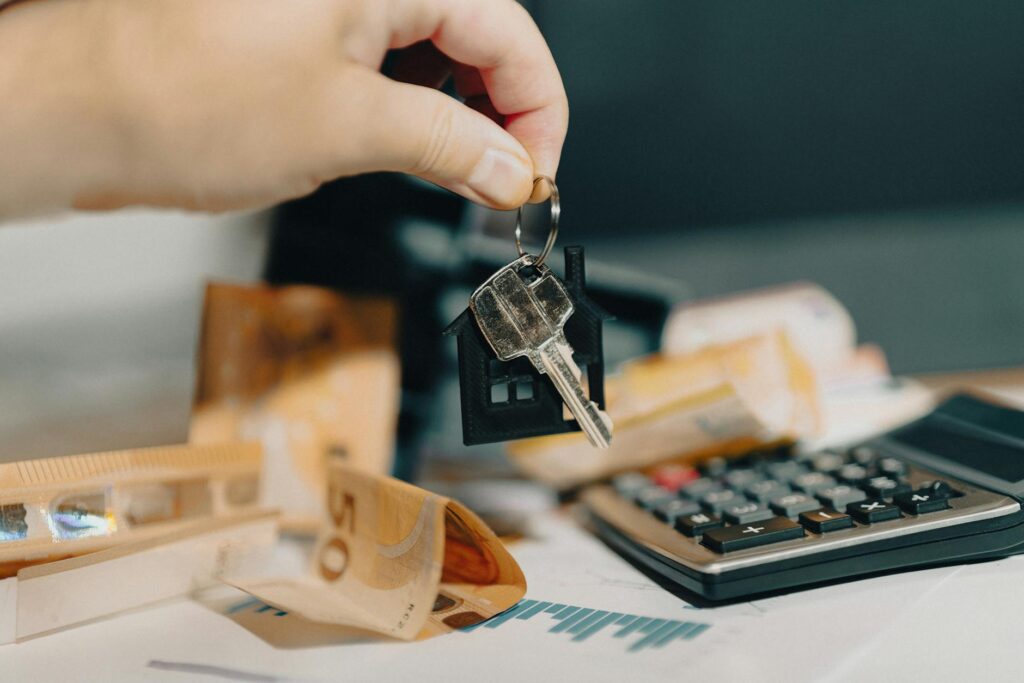
Pros and Cons of Asset Ownership
Introduction
In a world where the divide between the wealthy and the impoverished seems to widen with each passing day, the concept of asset ownership reveals stark contrasts. For some, owning a piece of land or a home represents stability, security, and a chance at a prosperous future. For others, the absence of such assets signifies vulnerability, despair, and a constant struggle against the tides of economic hardship. This article delves into the emotional landscape of asset ownership, illuminating its profound effects on people’s lives—how it shapes dreams, aspirations, and even destinies.
What Is Asset Ownership?
Asset ownership refers to holding tangible or intangible resources—like real estate, stocks, bonds, or businesses—that hold value and can generate wealth over time. On the surface, it sounds straightforward: you own something that can appreciate and provide financial security. Yet, for many, this ownership is a distant dream, a flickering light in the darkness of financial instability.
In the affluent world, asset ownership symbolizes freedom, power, and opportunity. But for the marginalized, it often feels like an insurmountable barrier, a reminder that the ladder to success is often missing the lower rungs. The emotional weight attached to this disparity is heavy; it is the difference between hope and hopelessness, between dreams realized and dreams deferred.
Why It Matters
Asset ownership matters because it serves as a cornerstone of wealth accumulation and economic mobility. It is not just about having something of value; it is about what that value represents. For individuals and families, assets are often equated with security and the ability to plan for the future. However, for those without assets, the future can appear bleak and uncertain, filled with anxiety and hardship.
Consider the parents who work tirelessly to provide a better life for their children. They strive for a home, a safe neighborhood, and opportunities for education—all linked to the idea of asset ownership. When they fail to obtain these assets, the emotional toll can be devastating. They may feel like they are failing not only themselves but also their children, who are left to navigate a world that seems rigged against them.
Key Facts and Statistics
The statistics surrounding asset ownership are staggering and sobering. According to a report by the Federal Reserve, the top 10% of American families own nearly 70% of all wealth, while the bottom 50% holds just 2%. These numbers tell a story of inequality that goes beyond mere figures; they represent real lives impacted by the stark realities of financial disparity.
Imagine a single mother working two jobs, pouring her heart and soul into every hour, only to find herself unable to save enough for a home. Meanwhile, a wealthy investor watches the value of his properties soar, his wealth compounding effortlessly. The emotional chasm between these two individuals is vast, filled with unfulfilled dreams and crushing realities.
Impact on Wealth and Poverty
The implications of asset ownership extend beyond individual lives; they ripple through entire communities and generations. Wealth begets wealth. When someone owns assets, they not only gain a financial cushion but also access to opportunities that those without assets cannot even fathom. This cycle perpetuates itself, creating a divide that can feel insurmountable.
Children born into families without assets often lack access to quality education, healthcare, and even basic necessities. Their emotional landscape is shaped by instability and anxiety, as they navigate a world where the odds are stacked against them. In contrast, children from asset-rich families grow up with a sense of security, confidence, and the belief that they can achieve their dreams. The emotional toll of these disparities can be heart-wrenching, manifesting in feelings of inadequacy and despair for those left behind.
Real World Examples
The Struggle of the Working Class
Take the story of Maria, a single mother living in a modest apartment in a struggling neighborhood. Despite her determination and hard work, she finds herself unable to save for a down payment on a home. Each month, she juggles bills, often prioritizing her children’s needs over her own. The weight of her financial situation is like a heavy cloak, suffocating her dreams of stability and security.
The Privilege of the Wealthy
In stark contrast, consider David, a tech entrepreneur who inherited a family estate in a prime location. His assets appreciate effortlessly, allowing him to invest in new ventures while living comfortably. He takes vacations, enjoys luxury, and has a safety net that protects him from the pitfalls of economic downturns. For him, ownership is not just a matter of financial stability; it’s a way of life that reinforces his sense of worth and potential.
These stories—one of struggle, the other of privilege—paint a vivid picture of the emotional realities tied to asset ownership. The anxiety and despair of those without assets contrast sharply with the confidence and optimism of those who possess them, highlighting the harsh realities of wealth inequality.
Advantages and Disadvantages
Advantages of Asset Ownership
1. Financial Security: Owning assets provides a safety net during economic downturns, offering a sense of stability and security.
2. Wealth Accumulation: Assets can appreciate over time, allowing individuals to build wealth that can be passed down through generations.
3. Opportunities: Asset ownership can open doors to better education, healthcare, and networking opportunities, facilitating upward mobility.
Disadvantages of Asset Ownership
1. Responsibility and Risk: Owning assets comes with responsibilities, including maintenance costs, taxes, and market risks that can lead to financial loss.
2. Emotional Burden: The pressure to maintain and grow assets can create stress and anxiety, overshadowing the initial joy of ownership.
3. Inequality: Asset ownership can perpetuate economic inequality, as those lacking assets are often left behind, unable to participate in wealth-building opportunities.
Future Trends
As we look toward the future, the landscape of asset ownership is likely to evolve. The rise of digital assets, such as cryptocurrencies and NFTs, presents new opportunities for wealth generation, but they also introduce new challenges and risks. The emotional stakes remain high as individuals navigate these uncharted waters, hoping to secure their financial futures while grappling with the ever-present fear of instability.
Social movements advocating for equitable access to assets, such as affordable housing initiatives and wealth redistribution, continue to gain momentum. These efforts aim to bridge the gap between the haves and have-nots, offering a glimmer of hope for a more equitable future.
Frequently Asked Questions
What is the emotional impact of not owning assets?
The emotional impact can be profound, leading to feelings of insecurity, anxiety, and hopelessness. For many, not owning assets is a constant reminder of their socio-economic status, affecting their self-esteem and sense of worth.
How does asset ownership affect future generations?
Asset ownership can create a cycle of privilege or disadvantage that lasts for generations. Families with assets can provide their children with opportunities for education and professional growth, while those without assets may struggle to break free from the cycle of poverty.
What can be done to address wealth inequality related to asset ownership?
Addressing wealth inequality requires systemic change, including policies that promote affordable housing, equitable access to education, and financial literacy programs that empower individuals to build assets.
—
In this complex world, the emotional journey of asset ownership reflects the broader narrative of wealth and poverty, revealing the heart-wrenching realities faced by many. As we contemplate the future, it is crucial to recognize these stories and strive for a more just and equitable society, where everyone has the opportunity to dream, to own, and to thrive.