
Poverty Narratives: Complete Guide
Introduction
In the tapestry of human existence, the threads of wealth and poverty weave a complex story. It is a narrative filled with heartache, struggle, and resilience. While wealth can often cushion the blow of life’s harsh realities, poverty can suffocate dreams and ambitions. This article dives deep into the personal stories of those affected by poverty, revealing the emotional weight behind the statistics and the stark contrasts between lives lived in abundance and those spent in want.
What Is Poverty Narratives?
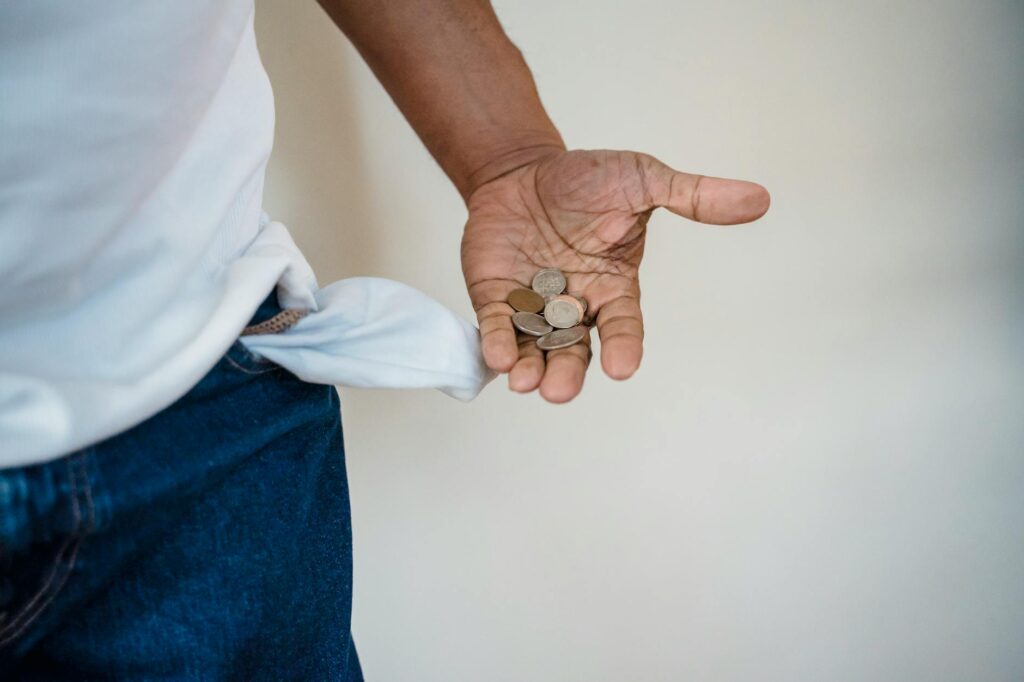
Poverty narratives are the personal stories and experiences of individuals and families living in poverty. They encapsulate the struggles, hopes, and dreams often overshadowed by the relentless grind of financial hardship. These narratives bring to life the numbers and statistics we often overlook, reminding us that behind every data point is a human being with a story.
Imagine a mother, her hands worn and calloused, working two jobs to provide for her children. Each day is a battle against exhaustion, as she juggles work schedules with school pick-ups and dinner preparations. Her story isn’t just about numbers—it’s about sleepless nights, the anxiety of unpaid bills, and the hope for a better future. Poverty narratives humanize the harsh realities of financial struggle, inviting empathy and understanding.
Why It Matters
Understanding poverty narratives is crucial for several reasons. Firstly, they challenge the stereotypes surrounding poverty, illustrating that it isn’t merely a result of laziness or poor choices. Instead, it’s often a consequence of systemic issues—lack of access to education, healthcare, and employment opportunities. These narratives allow society to see the faces behind poverty, fostering compassion and a desire for change.
Moreover, poverty narratives empower individuals by giving them a platform to share their experiences. They can inspire others facing similar challenges to find hope and resilience. In sharing these stories, we create a collective consciousness that can drive social change and policy reform.
Key Facts and Statistics
While statistics offer a glimpse into the vast landscape of poverty, they often fail to convey the emotional toll it takes on individuals. For instance, according to the World Bank, around 9.2% of the global population lives on less than $1.90 a day. This figure translates to millions of lives filled with uncertainty, where even basic necessities become luxuries.
In the United States alone, the U.S. Census Bureau reported that in 2020, approximately 11.4% of the population lived in poverty. These statistics are not just numbers; they represent parents unable to provide adequate meals for their children, students forced to drop out of school due to financial strain, and countless individuals battling the stigma attached to poverty.
Impact on Wealth and Poverty
The chasm between wealth and poverty is often driven by systemic inequalities. Those born into affluent families typically have access to better education, healthcare, and networking opportunities. In contrast, individuals in poverty may find themselves trapped in cycles that are difficult to break.
Consider the story of a young girl named Maria, who dreams of becoming a doctor. Growing up in a low-income neighborhood, her school lacks basic resources, and she often goes without meals. Despite her intelligence and ambition, the barriers before her feel insurmountable. Her story exemplifies how poverty can stifle potential, perpetuating a cycle that is hard to escape.
Real World Examples
Real-world examples of poverty narratives abound, each telling a story of struggle, resilience, and the quest for a better life. Take the story of James, a single father who lost his job during the pandemic. The weight of eviction notices loomed over him as he scrambled to find work, often taking gigs that barely paid enough to keep food on the table. His children, unaware of the financial turmoil, continue to hope for the simple joys of life—ice cream on a hot day or a trip to the park.
Or consider the tale of Amina, a refugee who fled her war-torn country in search of safety. Upon arriving in a new land, she faced the daunting task of rebuilding her life from scratch. With limited language skills and no job prospects, she found solace in a local community center, where she began to learn English and build a support network. Amina’s journey illustrates the resilience of the human spirit amidst adversity.
Advantages and Disadvantages
Poverty narratives serve to highlight both the struggles and the resilience of those living in poverty. On one hand, they can foster empathy and inspire action; they remind us that change is possible, and that we have a responsibility to support those in need. Stories of resilience can motivate communities to come together, offering assistance and resources to those facing hardship.
However, there are also disadvantages. The over-sensationalization of poverty narratives can lead to further stigmatization of those affected. When stories focus solely on despair, they can contribute to a narrative that portrays individuals as helpless victims rather than resilient survivors. It’s essential to strike a balance, showcasing both the challenges and the strength found within these stories.
Future Trends
As the world grapples with economic disparities, the narratives of poverty are likely to evolve. The impact of climate change, technological advancements, and shifting job markets will influence the experiences of those living in poverty. For instance, as automation threatens traditional jobs, many workers may find themselves struggling to adapt, further widening the wealth gap.
Moreover, the rise of social media has given a voice to those living in poverty, allowing them to share their stories on a global platform. This democratization of storytelling can spark change and create a more profound understanding of the issues at hand. As these narratives gain visibility, they may inspire new policies and initiatives aimed at alleviating poverty.
Frequently Asked Questions
What are the most common challenges faced by individuals living in poverty?
Individuals living in poverty often face a myriad of challenges including lack of access to quality education, healthcare, and job opportunities. Additionally, they may experience social stigma and emotional distress stemming from their financial situation.
How can poverty narratives influence policy change?
Poverty narratives can humanize the statistics, making it harder for policymakers to ignore the plight of those living in poverty. By sharing these stories, advocates can drive awareness and inspire action, ultimately leading to policy changes that address systemic inequalities.
Is poverty solely an individual issue?
No, poverty is often a systemic issue influenced by various factors including economic policies, access to education, and social support systems. Understanding the broader context is essential to addressing poverty effectively.
How can one support individuals sharing their poverty narratives?
Listening to and amplifying their voices is crucial. Support can also come in the form of donations, volunteering, or advocating for policies that address the root causes of poverty.
What role does education play in breaking the cycle of poverty?
Education is a powerful tool that can provide individuals with the skills and opportunities needed to escape poverty. However, access to quality education is often limited for those in low-income communities, perpetuating the cycle.
Conclusion
Poverty narratives remind us that behind every statistic lies a complex human story filled with dreams, struggles, and resilience. They challenge us to look beyond the numbers and recognize the emotional impact of poverty on individuals and families. As we navigate the complexities of wealth inequality, let us not forget the faces and stories that drive the conversation—stories that can inspire empathy, action, and ultimately, change.