
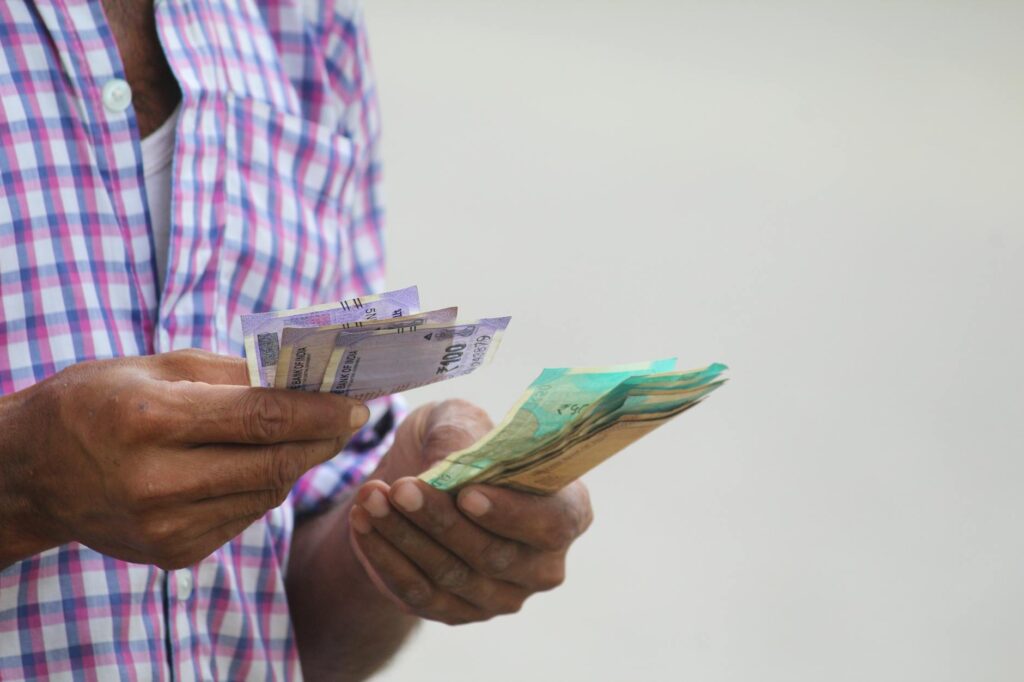
Key Facts About Wealth Inequity Stories
Introduction
In a world where the rich get richer and the poor seem trapped in an unending cycle of struggle, the stories of wealth inequity resonate deeply. Behind statistics and economic reports lie the human experiences of families fighting for survival, individuals striving for a better life, and communities torn apart by financial despair. This is not just an issue of numbers; it’s a narrative of hope, heartbreak, and the relentless pursuit of dignity.
What Is Wealth Inequity Stories?
Wealth inequity stories encapsulate the personal experiences of those on both ends of the economic spectrum. They reveal the stark contrast between those who have abundant resources and those who struggle to meet basic needs. Each story is unique yet interconnected, forming a tapestry of human emotion that highlights systemic issues in society. From a single mother who juggles multiple jobs to make ends meet to a billionaire who expands their empire at the expense of the very community that supported them, these narratives evoke empathy and challenge our moral compass.
Why It Matters
Understanding wealth inequity is crucial because it affects every aspect of society—from education and health care to social mobility and community cohesion. The stories behind wealth inequity reflect the emotional toll that comes with financial strain. For those living paycheck to paycheck, every moment can feel like a battle. The weight of debt, insecurity, and fear of the future can hollow out the spirit, leaving behind a sense of hopelessness that is hard to shake off. Conversely, the wealthy often experience a life filled with privilege and security, creating a chasm of understanding between the two worlds.
Key Facts and Statistics
While facts and statistics might seem impersonal, they offer a glimpse into the gravity of wealth inequity:
- Global Wealth Disparity: The richest 1% of the global population owns more than 44% of the world’s total wealth, while the bottom half holds less than 1%.
- U.S. Statistics: In the United States, the wealth gap has reached levels not seen since the Great Depression. The top 10% of earners command nearly 70% of the nation’s wealth.
- Child Poverty: An estimated 1 in 6 children in the U.S. lives in poverty, often feeling the effects of financial instability in their education and emotional well-being.
- Access to Opportunities: Wealth allows individuals to access better education and healthcare, leading to enhanced quality of life.
- Social Influence: Those with wealth often have a voice in political and social arenas, enabling them to shape policies that favor their interests.
- Social Division: The divide between the rich and the poor fosters resentment and social unrest.
- Emotional Toll: For those in poverty, the emotional burden of financial instability can lead to mental health issues, impacting families and communities.
These numbers tell part of the story but fail to capture the human experiences behind them.
Impact on Wealth and Poverty
The impact of wealth inequity ripples through communities and families. For the impoverished, the struggle often manifests as chronic stress and anxiety. Imagine a mother, exhausted from working two jobs, coming home to find her child’s school supplies are unaffordable. The guilt and frustration weigh heavily on her heart, while her child’s dreams of a brighter future dim in the shadow of financial constraints.
On the other side, the wealthy often remain insulated from such struggles. They can afford to invest in better education, health care, and opportunities that perpetuate their wealth. This creates a cycle where the rich remain rich, and the poor find it increasingly difficult to break free from their circumstances.
Real World Examples
The Single Mother
Take the story of Maria, a single mother of two living in a low-income neighborhood. Every month, Maria scrambles to pay her rent, utilities, and grocery bills. The anxiety gnaws at her, making it hard to focus on her children’s needs. One day, her youngest falls ill, and the thought of medical expenses sends her into a panic. The emotional toll of financial instability is relentless, casting a shadow over her dreams of providing a better life for her kids.
The Billionaire
In stark contrast is the story of Richard, a billionaire tech mogul whose company has thrived during economic downturns. While he enjoys lavish vacations and luxurious homes, he remains blissfully unaware of the struggles faced by families like Maria’s. His decisions—like outsourcing jobs to cut costs—only widen the gap between the rich and the poor. The emotional disconnect between his life of privilege and the harsh reality of those in poverty is palpable, leaving many to wonder if he ever stops to consider the consequences of his actions.
The Community
In a small town, a local factory closes, leaving hundreds without jobs. Families that once thrived now face eviction, hunger, and despair. The community, once united, begins to fracture as desperation sets in. Neighbors who once shared meals now avoid eye contact, trapped in their own struggles. The emotional scars left by such events are deep, creating a landscape of hopelessness that is hard to heal.
Advantages and Disadvantages
Advantages of Wealth
Disadvantages of Wealth Inequity
Future Trends
As wealth inequity continues to grow, the future is uncertain. Will we see a push for change, driven by social movements demanding justice and equality? Or will the rich continue to consolidate their power, leaving the poor to fight among themselves for dwindling resources? The stories that emerge from this divide will shape our society for generations to come.
Frequently Asked Questions
What is the main cause of wealth inequity?
Wealth inequity is driven by a combination of systemic factors, including tax policies, wage stagnation, and unequal access to education and opportunities.
How does wealth inequity affect mental health?
Financial instability can lead to chronic stress, anxiety, and depression, affecting both individuals and families. The emotional toll can be devastating, often leading to a cycle of despair.
What can be done to address wealth inequity?
Addressing wealth inequity requires systemic change, including policy reforms, community support initiatives, and increased access to education and job opportunities.
—
In a world where wealth inequity defines the lives of so many, it’s crucial to listen to the stories that emerge from the shadows. Each narrative is a call to action, urging us to confront the moral implications of a society that allows the rich to thrive while the poor struggle to survive. The emotional weight of these stories is a reminder that behind every statistic lies a human heart, yearning for dignity, hope, and a chance at a better life.