
Key Facts About Poverty Experiences
Introduction
Poverty is often seen as a statistic, an abstract concept that fills reports and debates. However, for countless individuals around the globe, poverty is a lived reality, one that shapes their daily experiences, dreams, and aspirations. The pain of poverty is not just about financial scarcity; it is about the emotional toll, the shattered dreams, and the relentless struggle for dignity. Understanding poverty experiences requires us to delve into the stories behind the statistics and recognize the human faces behind the numbers.
What Is Poverty Experiences?
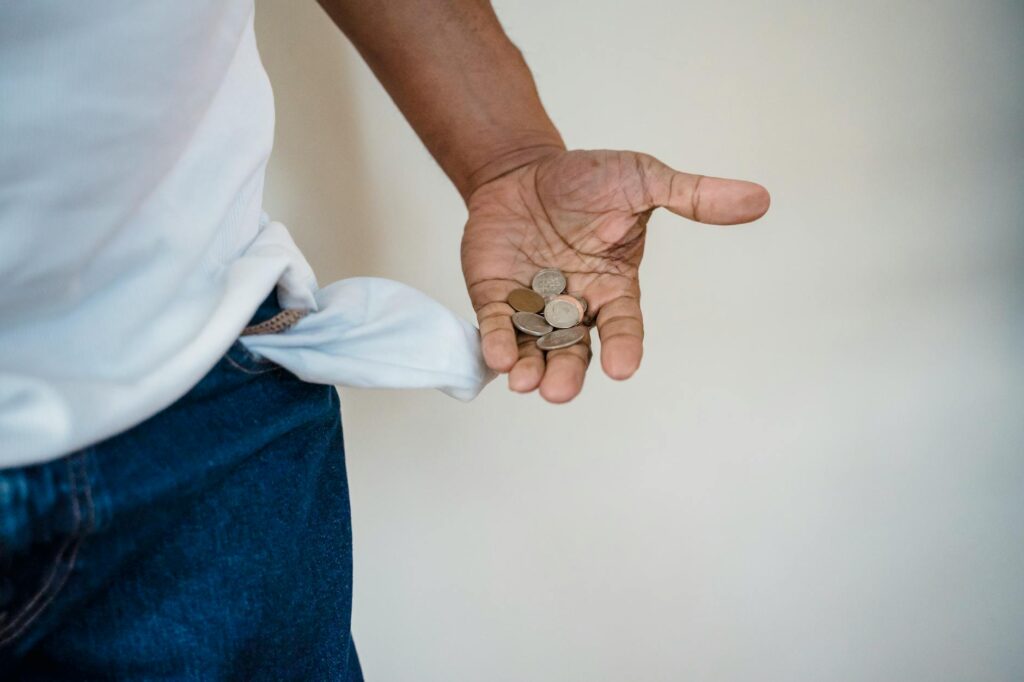
Poverty experiences encompass the day-to-day realities faced by individuals and families living in financial hardship. It is not merely a lack of material wealth but a complex interplay of factors that includes access to education, healthcare, and opportunities. Imagine a single mother waking up at dawn, not to the sound of an alarm clock but to the gnawing worry of whether she can put food on the table for her children. Each day is a battle against overwhelming odds, a constant negotiation with despair. Poverty experiences bring to light the emotional scars that last far beyond any financial hardship.
Why It Matters
Understanding poverty experiences is crucial not only for addressing the immediate needs of those affected but also for fostering empathy in a society often divided by wealth. When we ignore the narratives of those living in poverty, we risk perpetuating a cycle of indifference and misunderstanding. Poverty is not a choice—it is a circumstance that can befall anyone. The rich may remain insulated in their wealth, but the fabric of society is woven together. When one thread frays, the entire tapestry is affected. Recognizing the human aspect of poverty is vital for cultivating compassion and collective responsibility.
Key Facts and Statistics
The facts surrounding poverty can be staggering. According to the World Bank, approximately 689 million people live on less than $1.90 a day. This figure represents not just numbers but lives filled with struggle and heartache. Poverty is often generational; children born into low-income families are far more likely to remain in poverty as adults, creating a cycle that is hard to break. In the United States, the Census Bureau reported that in 2020, around 11.4% of the population lived in poverty, a number that surged during the pandemic, affecting millions and revealing the fragility of economic stability.
Impact on Wealth and Poverty
The widening gap between the rich and the poor is not merely an economic issue; it is a profound ethical dilemma. As the rich become richer, they often accumulate resources that insulate them from the challenges faced by the less fortunate. Access to quality education, healthcare, and even social networks can elevate one group while leaving another behind. This disparity breeds resentment and hopelessness, especially for those who work tirelessly yet see little reward. Picture a skilled tradesperson, working long hours, yet still unable to afford a modest home. It’s a bitter pill to swallow, knowing that hard work alone may not bring the fruits of labor.
Real World Examples
To illustrate the stark realities of poverty experiences, consider the story of Maria, a single mother living in a low-income neighborhood in Chicago. Maria juggles two jobs while her children attend underfunded schools, where resources are scarce, and support is minimal. Every month, she faces the difficult decision of whether to pay for groceries or keep the lights on. Her dreams of a better future for her children feel increasingly out of reach. Maria’s story is not unique; it is shared by countless others who navigate the harsh landscape of poverty.
In contrast, take the example of a wealthy entrepreneur who spends weekends at exclusive resorts, where the air is filled with laughter and luxury. For them, the challenges of financial hardship are abstract, a distant concern that can be easily brushed aside. This juxtaposition highlights the emotional chasm that exists between different socioeconomic classes—a gap filled with empathy, anger, and a yearning for change.
Advantages and Disadvantages
While poverty experiences are overwhelmingly negative, they can sometimes lead to unexpected resilience and community solidarity. Many individuals find strength in their struggles, forming support networks that foster hope and connection. However, the disadvantages are significant. Mental health issues often plague those living in poverty, with feelings of shame, isolation, and despair becoming a daily burden. The emotional toll can lead to a cycle of dependence, making it difficult for individuals to escape their circumstances.
The question arises: why should society care? Because the emotional fabric of our communities is at stake. When people are trapped in poverty, it creates ripples that affect everyone. A society that values compassion over indifference is one that ultimately benefits all its members.
Future Trends
As we move forward, it is imperative to consider how poverty experiences will evolve. With the ongoing impact of climate change, economic uncertainty, and systemic inequality, the future for those in poverty seems increasingly precarious. Automation and technological advancements may widen the gap further, leading to job displacement and economic insecurity for low-income workers. However, these challenges also present an opportunity for collective action and social change.
Advocacy for fair wages, accessible education, and healthcare can help reshape the narrative surrounding poverty. The future may see a rise in movements focused on social equity, where empathy and understanding become driving forces for change. As we witness the ongoing struggle of individuals like Maria, we must ask ourselves: what kind of society do we want to build?
Frequently Asked Questions
What is the emotional impact of poverty on individuals?
The emotional impact of poverty is profound, often leading to feelings of hopelessness, isolation, and shame. Individuals may struggle with mental health issues, which can hinder their ability to seek help or improve their circumstances.
How can society address poverty experiences?
Addressing poverty experiences requires a multifaceted approach, including policy changes, community support programs, and a shift in societal attitudes toward empathy and understanding.
Are poverty experiences the same worldwide?
While the underlying issues of poverty may be similar, experiences can vary greatly based on cultural, geographic, and economic contexts. Each story is unique, shaped by the individual’s circumstances.
What role does education play in alleviating poverty?
Education is a powerful tool for breaking the cycle of poverty. Access to quality education can open doors to better job opportunities and empower individuals to improve their financial situations.
How can individuals make a difference in combating poverty?
Individuals can make a difference through advocacy, volunteering, and supporting organizations dedicated to fighting poverty. Every action counts in fostering a more equitable society.
Conclusion
Poverty experiences are not just statistics; they are a collection of stories filled with struggle, resilience, and hope. Each individual’s journey through poverty highlights the urgent need for empathy and collective action. As we confront the moral implications of wealth inequality, let us remember that our shared humanity binds us together. In a world where the rich can often remain insulated from the struggles of the poor, it is our responsibility to bridge that gap with understanding, compassion, and action.