
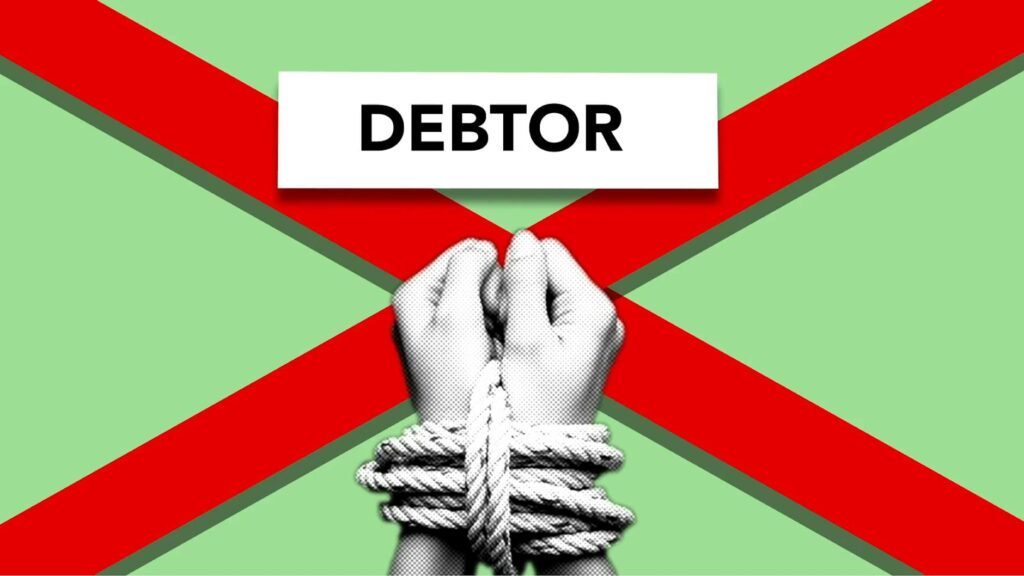
Key Facts About Debt Narratives of Struggle
Introduction
Every day, countless individuals wake up to the harsh reality of debt, each story woven with emotional threads of anxiety, despair, and sometimes, faint glimmers of hope. The narratives surrounding debt are more than just numbers on a balance sheet; they are deeply personal tales of struggle, resilience, and often, heartbreak. As the gap between the rich and poor widens, these stories become even more poignant, revealing a society where financial burdens can dictate the course of lives. This article delves into the emotional landscape of debt narratives, shedding light on the struggles faced by many in the shadows of wealth.
What Is Debt Narratives of Struggle?
Debt narratives of struggle encompass the experiences and stories of individuals and families grappling with financial obligations that feel insurmountable. These narratives often highlight the emotional toll of living with debt—fear, shame, and hopelessness intertwine with resilience and determination. From student loans that haunt young graduates to medical bills that turn into lifelong burdens, each story reflects a unique journey marked by the weight of financial insecurity. The narratives are not just about the numbers; they are about dreams deferred, opportunities lost, and the relentless pursuit of a better life amidst overwhelming odds.
Why It Matters
Understanding debt narratives matters because they humanize the statistics we often see in reports. When we read about rising debt levels, we must remember that behind every percentage point is a person—a mother who can’t afford her child’s education, a father who works multiple jobs to make ends meet, or a young adult who feels trapped in a cycle of minimum payments. These stories illustrate the moral implications of our economic system, where the rich can afford to be insulated from financial woes while the poor struggle to survive. Recognizing the emotional weight of these narratives can inspire empathy and drive change in how society addresses debt and wealth inequality.
Key Facts and Statistics
Debt is a pervasive issue that impacts millions of lives globally. According to recent statistics, approximately 44 million Americans carry student loan debt, totaling over $1.7 trillion. The burden of medical debt affects nearly one in five adults in the United States, with many facing bankruptcy as a result. These numbers are not just figures; they represent real families dealing with stress, sleepless nights, and the fear of losing everything they’ve worked for. The emotional toll is staggering, with studies indicating that financial stress can lead to depression, anxiety, and even physical health problems.
Impact on Wealth and Poverty
The impact of debt on wealth and poverty is profound. For the wealthy, debt can often serve as a tool for investment, allowing them to leverage their assets for greater financial gain. However, for the poor, debt can become a trap, making it nearly impossible to escape poverty. Imagine a single mother, working tirelessly to provide for her children, yet every paycheck is swallowed by interest payments on credit cards and loans. She dreams of home ownership, but with every passing year, that dream feels more distant. The wealth gap widens as the rich continue to accumulate assets while the poor remain trapped in cycles of debt, unable to build wealth or secure their futures.
Real World Examples
Consider the story of Maria, a bright student who excelled in her studies and earned a scholarship to a prestigious university. However, despite her hard work, she graduated with over $50,000 in student loan debt. Now, years later, she finds herself in a job that barely pays enough to cover her living expenses, let alone her loan payments. Each month, she feels the weight of her education become a burden, stealing her dreams of travel and financial independence.
Then there’s Jake, a father who suffered a sudden medical emergency. The hospital bills piled up, and despite insurance, he found himself in debt over $30,000. Jake works two jobs to keep his family afloat, but the stress of his financial situation takes a toll on his health and relationships. His story is a reminder of how quickly life can change and how debt can turn aspirations into nightmares.
Advantages and Disadvantages
While debt can sometimes provide opportunities for investment and growth, the disadvantages are often more visible. For many, debt can lead to a sense of hopelessness and despair. The emotional burden can erode relationships, as financial strain seeps into every aspect of life. The advantages are often reserved for those who can afford to take calculated risks, while the disadvantages weigh heavily on those already struggling. For the poor, the cycle of debt can feel like a noose, tightening with each missed payment and late fee.
Future Trends
As we look to the future, the narratives surrounding debt are likely to evolve. With the rise of alternative lending platforms and increased awareness of financial literacy, there is potential for change. However, the underlying issues of wealth inequality and systemic barriers remain. The stories of struggle will continue, but they may also be accompanied by voices advocating for reform and support systems designed to uplift those burdened by debt. The emotional narratives of the future will be shaped not only by the experiences of individuals but also by a collective call for justice and equity in our financial systems.
Frequently Asked Questions
What can I do if I’m struggling with debt?
If you’re struggling with debt, it’s important to reach out for support. Consider speaking with a financial counselor or joining a support group where you can share your experiences and learn from others.
How does debt impact mental health?
The stress of debt can lead to anxiety, depression, and other mental health issues. It’s crucial to prioritize self-care and seek professional help if you’re feeling overwhelmed.
Are there resources available for those in debt?
Yes, there are numerous organizations and resources available to help individuals dealing with debt, including non-profit credit counseling services and community support programs.
How can society address the issue of debt and wealth inequality?
Society can address these issues through policy changes, increased access to education, and support systems that empower individuals to break the cycle of debt and build wealth.
What role do personal stories play in understanding debt?
Personal stories humanize the statistics and highlight the emotional toll of debt. They remind us that behind every number is a life affected by financial struggles, fostering empathy and encouraging action.
Conclusion
Debt narratives of struggle are more than just stories; they are reflections of a society grappling with deep-seated inequalities. As we listen to these tales of hardship and resilience, we must confront the moral implications of wealth disparity and the toll it takes on human lives. By acknowledging the emotional weight of debt, we can foster a greater understanding and compassion for those navigating these challenging waters, paving the way for a more equitable future.