
Key Facts About Debt Narratives of Class Struggle
Introduction
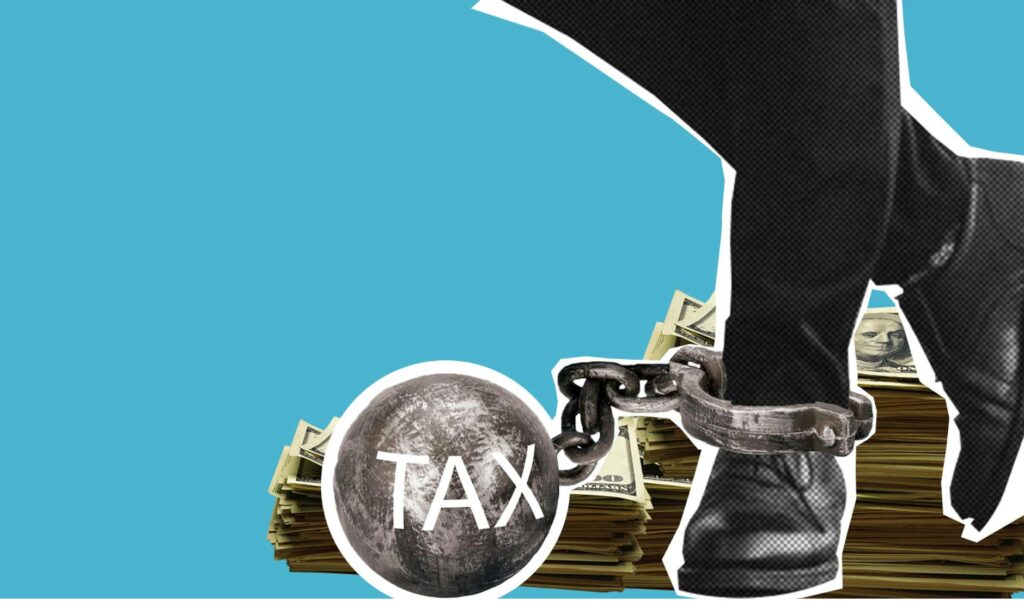
In the tapestry of human experience, debt weaves itself into the lives of many, serving as both a burden and a lifeline. For the wealthy, debt can act as a tool for investment, a means to amplify their riches. For the poor, however, it often serves as a chain, binding them to a cycle of despair and struggle. The narratives surrounding debt reveal stark contrasts in the realities faced by different classes. These stories are not merely numbers and statistics; they are poignant reflections of human lives, dreams deferred, and futures rewritten.
What Is Debt Narratives of Class Struggle?
Debt narratives of class struggle encapsulate the personal stories and societal implications of borrowing and owing money across different socio-economic strata. They highlight how individuals from various backgrounds experience debt in drastically different ways. For the affluent, debt can symbolize opportunity—an invitation to invest in stocks, properties, or businesses, all while reaping tax benefits. Conversely, for the underprivileged, debt is often a source of anxiety and an inescapable cycle of poverty.
Imagine a single mother in a low-income neighborhood, juggling multiple jobs just to make ends meet. Each month, her paycheck is a tightrope walk, with rent, utilities, and student loans pulling her in various directions. Her credit card, a supposed lifeline, transforms into a noose, tightening further with every missed payment. This is not just a personal struggle; it is indicative of a broader narrative that defines class struggle in our society.
Why It Matters
Understanding debt narratives is crucial for grasping the broader economic landscape. These stories expose the emotional toll that financial burdens can inflict on families and communities. They reveal how systemic issues perpetuate cycles of debt and poverty, often leaving the most vulnerable without a way out. When we hear these stories, we are compelled to confront uncomfortable truths about our economic systems and their impact on human lives.
The urgency of these narratives is underscored by the stark reality that millions are living in a state of financial instability. For every high-rise office building financed through leveraged loans, there are countless individuals trapped in predatory lending cycles. The emotional scars of debt—anxiety, shame, and hopelessness—are often overlooked in discussions about economic growth and wealth accumulation.
Key Facts and Statistics
- Global Debt Crisis: As of 2021, global debt reached an astounding $281 trillion, an increase exacerbated by the COVID-19 pandemic. This figure underscores the extent to which both individuals and nations rely on debt.
- Student Loan Debt: In the United States alone, student loan debt surpassed $1.7 trillion, affecting over 44 million borrowers. Many of these individuals face a lifetime of repayment, impacting their ability to buy homes, start families, and save for retirement.
- Predatory Lending: Research indicates that low-income communities are disproportionately targeted by payday lenders, who charge exorbitant interest rates that can exceed 400%. These loans often trap borrowers in a cycle of debt.
- Wealth Disparity: According to the Federal Reserve, the top 1% of households own approximately 32% of the nation’s wealth, while the bottom 50% hold just 2%. This disparity is often fueled by the ability of the wealthy to leverage debt strategically.
- Capital for Investment: For the wealthy, debt can provide the necessary capital to invest in opportunities that generate further wealth.
- Economic Growth: For businesses, strategic borrowing can stimulate economic growth, leading to job creation and increased productivity.
- Debt Traps: For low-income individuals, high-interest loans can lead to a cycle of debt that is nearly impossible to escape.
- Emotional Toll: The psychological impact of debt—stress, anxiety, and feelings of inadequacy—can have lasting effects on individuals and families.
Impact on Wealth and Poverty
Debt shapes the fabric of wealth and poverty, acting as a significant differentiator between classes. For the affluent, debt can enhance wealth-building opportunities. They can invest in lucrative ventures and properties while benefiting from low-interest rates and favorable tax treatments. In contrast, the poor often face higher interest rates and fewer options, resulting in an uphill battle against accumulating debt.
The emotional toll of this disparity can be devastating. Picture a family forced to choose between paying medical bills or buying groceries. The weight of such decisions can lead to mental health crises, broken relationships, and a pervasive sense of hopelessness. These stories are not just statistics; they are the lived experiences of millions who feel trapped by their financial circumstances.
Real World Examples
1. Maria’s Story: Maria, a single mother of two, took out a loan to cover her children’s medical expenses. With a high-interest rate and limited income, she found herself unable to keep up with repayments. The stress of her financial situation led to anxiety attacks, affecting her ability to work and care for her children. Eventually, she was forced to declare bankruptcy, a decision that would haunt her for years.
2. James’ Rise: In stark contrast, James, a wealthy entrepreneur, uses debt to fuel his business. By borrowing against his assets, he expands his company, creating jobs and generating wealth. His story illustrates how debt can be a tool for success when wielded by those already in advantageous positions.
3. Community Impact: In many neighborhoods, the presence of payday lenders preys on the vulnerable. Residents share stories of being trapped in a cycle of borrowing, where one loan leads to another, often with devastating consequences. These narratives reveal the emotional and social costs of living in communities targeted by predatory lending practices.
Advantages and Disadvantages
Advantages
Disadvantages
Future Trends
As the global economy evolves, so too will the narratives surrounding debt. The rise of digital currencies and alternative lending platforms may offer new opportunities for borrowing, potentially breaking down traditional barriers. However, without regulation, these innovations could also open the door to new forms of exploitation.
Moreover, as conversations around wealth inequality intensify, there may be a growing push for systemic reforms aimed at addressing the root causes of debt disparity. The emotional weight of these narratives will continue to drive advocacy and policy changes, urging society to confront the realities of class struggle.
Frequently Asked Questions
What can be done to address the issues related to debt and class struggle?
Addressing the issues related to debt requires a multifaceted approach, including policy reforms that provide better protections for consumers, increased access to financial education, and initiatives aimed at reducing wealth inequality.
How does debt impact mental health?
The emotional burden of debt can lead to anxiety, depression, and a sense of hopelessness. It can strain relationships and affect overall well-being, making it essential to consider mental health in discussions about financial stability.
Are there any resources available for those struggling with debt?
Yes, numerous organizations provide resources and support for individuals facing financial difficulties, including credit counseling, debt management programs, and community workshops focused on financial literacy.
How does systemic inequality perpetuate debt cycles?
Systemic inequality often leaves marginalized communities with limited access to affordable credit and financial resources, creating a cycle of debt that is difficult to break. Addressing these disparities is crucial for fostering economic equity.
In the end, the narratives surrounding debt are not just stories of numbers and policies; they are human experiences full of emotion, struggle, and resilience. As we engage with these narratives, we must remember that behind every statistic lies a person—a life shaped by the burdens of debt and the dreams of a better tomorrow.