
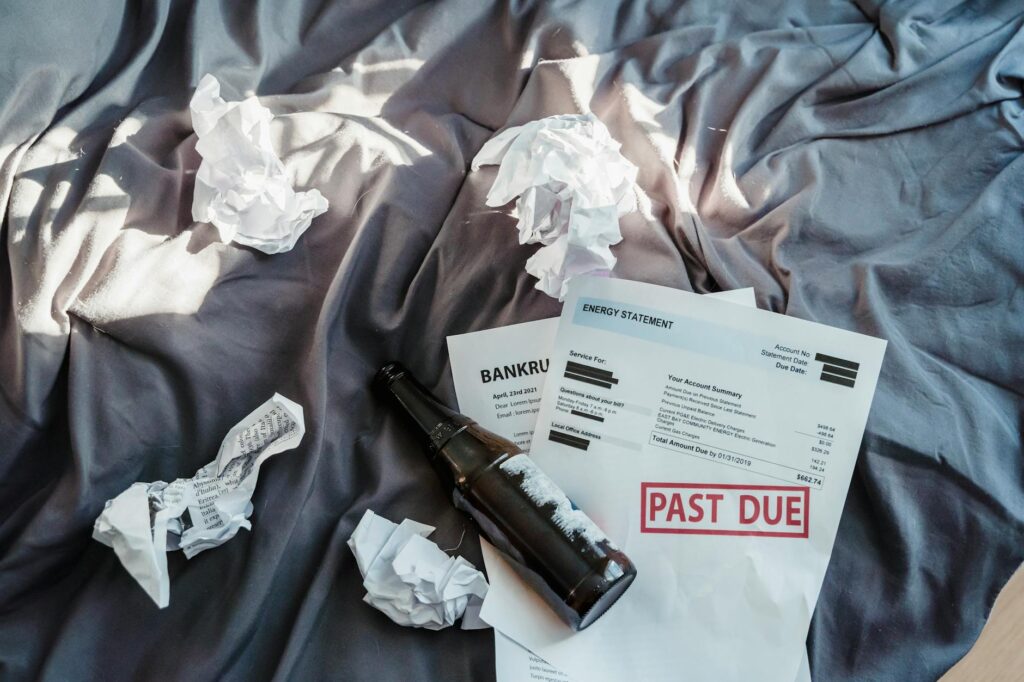
Key Facts About Bankruptcy & Defaults
Introduction
In a world where the gap between the rich and the poor continues to widen, bankruptcy and defaults represent a haunting reality for many. Behind every statistic lies a story—a mother struggling to make ends meet, a small business owner crushed by unexpected debt, a young professional drowning in student loans. These stories reveal the emotional toll that financial struggles can take on individuals and families, highlighting the stark inequality that characterizes our economy.
What Is Bankruptcy & Defaults?
Bankruptcy is more than just a legal term; it’s a lifeline for some and a nightmare for others. It’s the moment when debts become unmanageable, and a person or business is forced to seek relief. In contrast, a default occurs when an individual or entity fails to meet the legal obligations of a debt, often leading to bankruptcy or severe financial repercussions. Both scenarios evoke fear and uncertainty, leaving families to grapple with shame, anxiety, and the stigma that accompanies financial failure.
Why It Matters
Understanding bankruptcy and defaults is crucial because they’re not just abstract concepts; they are the tipping point for many lives. For some, declaring bankruptcy can be a chance to start anew, a beacon of hope amid despair. For others, it’s a painful acknowledgment of failure, a mark that can linger for years. The psychological implications of bankruptcy are profound, causing emotional distress that often manifests in anxiety, depression, and strained relationships. When wealth is concentrated in the hands of a few, the consequences of defaults and bankruptcies become even more pronounced—leaving the vulnerable even more exposed.
Key Facts and Statistics
The statistics around bankruptcy and defaults paint a stark picture:
- In 2021, over 400,000 individuals filed for bankruptcy in the United States alone.
- The average consumer bankruptcy can take up to 3 years to resolve.
- Defaults among student loans have reached an alarming rate, with over 1 in 10 borrowers falling behind.
These numbers reflect more than just financial turmoil; they represent countless lives impacted by a system that often favors the affluent while leaving the less fortunate to fend for themselves. Each number is a reminder that behind every statistic lies a human being whose dreams have been shattered.
Impact on Wealth and Poverty
The repercussions of bankruptcy and defaults extend far beyond individual circumstances—they ripple through communities and economies. When a family loses their home, it doesn’t just affect their living situation; it disrupts their children’s education, their mental health, and their sense of stability. The stress of financial instability can lead to long-term health issues, perpetuating a cycle of poverty that is difficult to escape.
In contrast, the wealthy often experience a safety net that protects them from the brunt of financial failure. They can leverage assets or seek assistance that is simply out of reach for the impoverished. This disparity magnifies the emotional burden of bankruptcy and defaults, as those in lower income brackets often find themselves fighting an uphill battle against a system that doesn’t always have their best interests at heart.
Real World Examples
Consider Sarah, a single mother of two who worked tirelessly in a retail job. When her hours were cut due to the pandemic, her already thin budget crumbled. With looming bills and no savings, she took on debt just to keep food on the table. Eventually, the weight became unbearable, and she filed for bankruptcy. The relief was short-lived; she faced judgment from friends and family, and the emotional scars took years to heal.
On the other end of the spectrum, meet Jonathan, a successful businessman who faced a series of unfortunate events that led his company into debt. Unlike Sarah, he had access to resources and legal expertise that allowed him to navigate bankruptcy with relative ease. While he experienced a temporary setback, he quickly rebounded, using his connections to rebuild his empire. The stark contrast between their experiences serves as a poignant reminder of how wealth can shield individuals from the harsh realities of financial failure.
Advantages and Disadvantages
Bankruptcy can offer a fresh start, freeing individuals from crushing debt, but it comes at a cost. The emotional toll of declaring bankruptcy can be overwhelming, leading to feelings of shame and hopelessness. Moreover, the long-term effects on credit scores can limit future opportunities, making it difficult to secure loans or even rental agreements.
Conversely, the disadvantages of defaulting on loans can be equally devastating. It can lead to aggressive collection practices, legal actions, and a long-lasting stain on one’s credit history. The fear of losing everything can trap individuals in a cycle of despair, perpetuating the very poverty they seek to escape.
Future Trends
As our economy continues to evolve, the landscape of bankruptcy and defaults is likely to shift. With the rise of gig economies and freelance work, more individuals are entering precarious financial situations without the safety nets that traditional employment provides. The emotional weight of financial instability may become even more pronounced as people grapple with unpredictable income and mounting debts.
Moreover, the COVID-19 pandemic has highlighted the fragility of many households, leading to an increase in financial distress. As we move forward, the conversation around economic inequality must include discussions about bankruptcy and defaults, focusing on creating systems that support those in need rather than punishing them for their circumstances.
Frequently Asked Questions
What are the emotional effects of bankruptcy?
Many individuals experience feelings of shame, anxiety, and depression following bankruptcy. The stigma attached to financial failure can strain relationships and affect mental health.
How does bankruptcy affect credit scores?
Bankruptcy can severely impact credit scores, making it difficult to obtain loans, mortgages, or even rentals in the future. The effects can linger for several years.
Are there alternatives to bankruptcy?
Yes, alternatives include debt negotiation, credit counseling, and debt management plans. However, these options may not be accessible to everyone, particularly those in lower income brackets.
Can bankruptcy provide a fresh start?
For many, bankruptcy can relieve overwhelming debt, offering a chance to rebuild. However, it’s important to recognize the emotional and long-term financial implications that accompany this decision.
What role does wealth inequality play in bankruptcy rates?
Wealth inequality exacerbates the emotional and financial impact of bankruptcy, as those with fewer resources often face greater challenges in recovering from financial setbacks.
Conclusion
Bankruptcy and defaults are not merely financial terms; they are deeply personal experiences that can shape lives and communities. The emotional toll of financial instability underscores the urgent need for a more equitable economic system—one that recognizes the humanity behind the numbers. As we confront the realities of wealth inequality, it’s essential that we listen to the stories of those affected, advocating for change that lifts the burdens of those who struggle the most. In a world where the rich often remain insulated from the consequences of failure, we must strive for a society that offers compassion and support to all, regardless of their financial standing.