
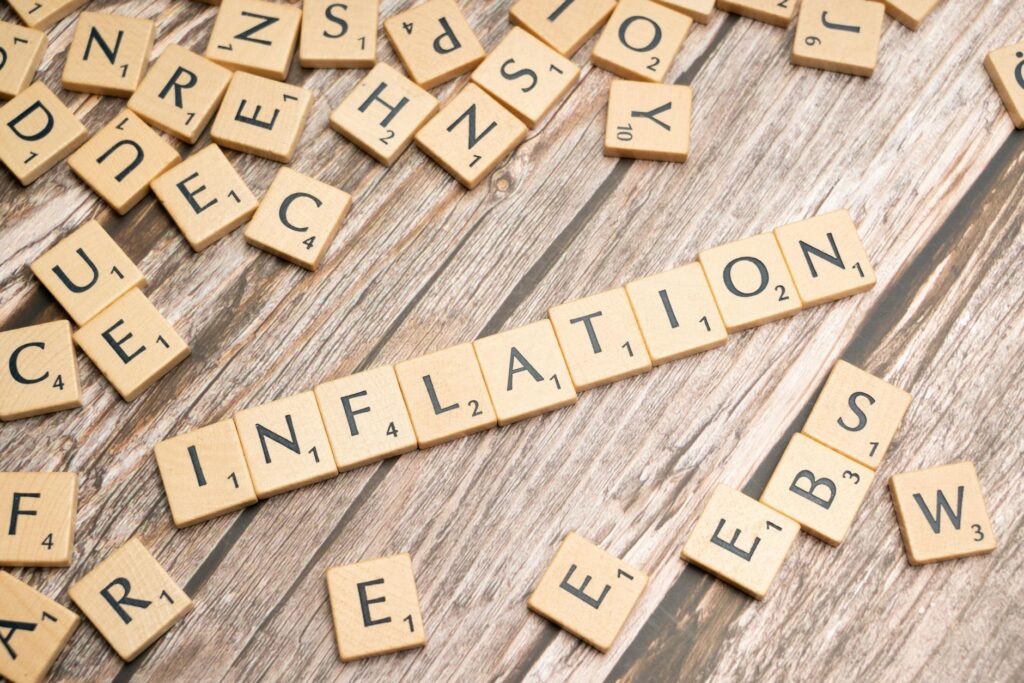
Inflation Explained for Beginners
Introduction
Inflation is a term that resonates deeply in our daily lives, yet it often feels like an abstract concept reserved for economic textbooks. For many, inflation is not just a statistic; it’s a looming specter that haunts the dreams of families struggling to make ends meet. Imagine a single mother, juggling two jobs while watching her paycheck diminish in purchasing power. Every month feels like a battle against rising prices, leaving her little choice but to forgo necessities for her children. This article dives into the emotional landscape of inflation, exploring its impact on wealth and poverty, and the stark realities many face in its wake.
What Is Inflation?
At its core, inflation refers to the general increase in prices of goods and services over time. When inflation rises, each unit of currency buys fewer goods and services—essentially, the dollar in your pocket loses its value. For the wealthy, this often translates into a minor inconvenience; they can adjust their investments to keep pace. However, for the working-class families, inflation can feel like a relentless wave, eroding their limited financial resources and making even basic necessities feel out of reach.
Why It Matters
Inflation matters because it affects everyone, but not equally. The disparity in how inflation impacts different socioeconomic classes is a stark reminder of the divide between the rich and the poor. For those living paycheck to paycheck, a small increase in prices can mean the difference between putting food on the table or going hungry. The emotional toll can be debilitating, as families grapple with anxiety, stress, and feelings of inadequacy when they can’t provide for their loved ones.
Key Facts and Statistics
Understanding inflation requires a grasp of some key statistics. For instance, the Consumer Price Index (CPI) tracks the average change over time in the prices paid by urban consumers for a basket of goods and services. In recent years, inflation rates have fluctuated, often spiking in ways that catch many off guard.
During periods of high inflation, essential items like groceries and gas can see double-digit increases, while wages often stagnate. This imbalance creates a chasm that widens the wealth gap, leaving the middle and lower classes increasingly vulnerable. A family that once felt financially secure may find themselves in a precarious situation, forced to make impossible choices about which bills to pay or which meals to skip.
Impact on Wealth and Poverty
The emotional ramifications of inflation are profound. For the affluent, inflation can often be navigated with ease. They have the resources to invest in assets that appreciate over time, effectively insulating themselves from rising prices. Meanwhile, the poor find themselves entrapped in a cycle of debt, where borrowing becomes a necessary evil to cover rising costs.
Consider a retired couple living on a fixed income. As inflation erodes their purchasing power, they may face a heart-wrenching decision: to dip into their savings, which are dwindling, or to forgo essential medications. The stress of such choices can lead to severe anxiety and deteriorating mental health, compounding their struggles even further.
Real World Examples
Take the story of Maria, a single mother of three from a low-income neighborhood. After losing her job during an economic downturn, she began working multiple part-time roles to make ends meet. Yet, as prices for groceries and rent soared, her efforts felt futile. Each month, she found herself falling deeper into debt, unable to afford even the most basic necessities for her children.
In contrast, consider the experience of Robert, a successful entrepreneur. When inflation struck, he adjusted his business strategies, raised prices, and continued to thrive. While Maria struggled to feed her family, Robert enjoyed his summer vacations in luxury resorts. This contrast is not just a tale of two lives; it’s a representation of a systemic issue where the rich get richer while the poor grow poorer.
Advantages and Disadvantages
Inflation is a double-edged sword. On the one hand, moderate inflation can stimulate economic growth by encouraging spending and investment. However, unchecked inflation can lead to severe economic instability and hardship for everyday people.
For the wealthy, inflation can yield benefits, as their investments often appreciate faster than the rate of inflation. For those in poverty, however, it presents an unending cycle of despair. Each rise in prices feels like a fresh wound, an emotional burden that weighs heavily on their hearts and minds. The advantages of inflation are not felt equally; they serve as a stark reminder of the existing inequalities in our society.
Future Trends
Looking ahead, inflation is likely to remain a significant factor in shaping the economy. With global supply chain issues, geopolitical tensions, and unprecedented monetary policies, the landscape is unpredictable. For families like Maria’s, the future may hold even more uncertainty. As they worry about rising costs, their dreams of stability seem increasingly out of reach.
The emotional weight of such uncertainty can lead to a pervasive sense of helplessness. Many will feel like they are running on a treadmill—working hard yet going nowhere, as the world around them continues to change in ways they can’t control.
Frequently Asked Questions
What causes inflation?
Inflation can be caused by a variety of factors, including increased demand for goods and services, rising production costs, and expansionary monetary policies. For families, this can mean watching their dollars buy less over time, leading to distressing financial choices.
How does inflation affect my savings?
Inflation erodes the purchasing power of your savings. For those with limited resources, this is particularly painful, as it may mean that their hard-won savings can no longer cover their basic needs.
Can inflation be controlled?
While central banks use various tools to manage inflation, the reality is that many of these measures can have mixed results. For those in poverty, the consequences of inflation often feel beyond their control, leaving them to navigate a system that seems rigged against them.
What should I do if I’m struggling with rising costs?
If you’re feeling the strain of rising costs, you’re not alone. Many families are grappling with similar challenges. Seeking community resources, engaging in budgeting discussions, or even exploring local assistance programs can provide some relief.
Conclusion
Inflation is not just a number; it’s a lived experience that shapes the lives of countless individuals and families. The emotional and financial toll it takes on low-income communities cannot be overstated. As we navigate an increasingly complex economic landscape, it’s essential to recognize the human stories behind the statistics—those like Maria, who face the burdens of inflation daily, and those like Robert, who sail through largely unaffected.
In this world, understanding inflation requires not just knowledge but empathy. It’s a reminder that the fight against wealth inequality is far from over, and that every statistic represents a human story filled with hope, struggle, and resilience.