
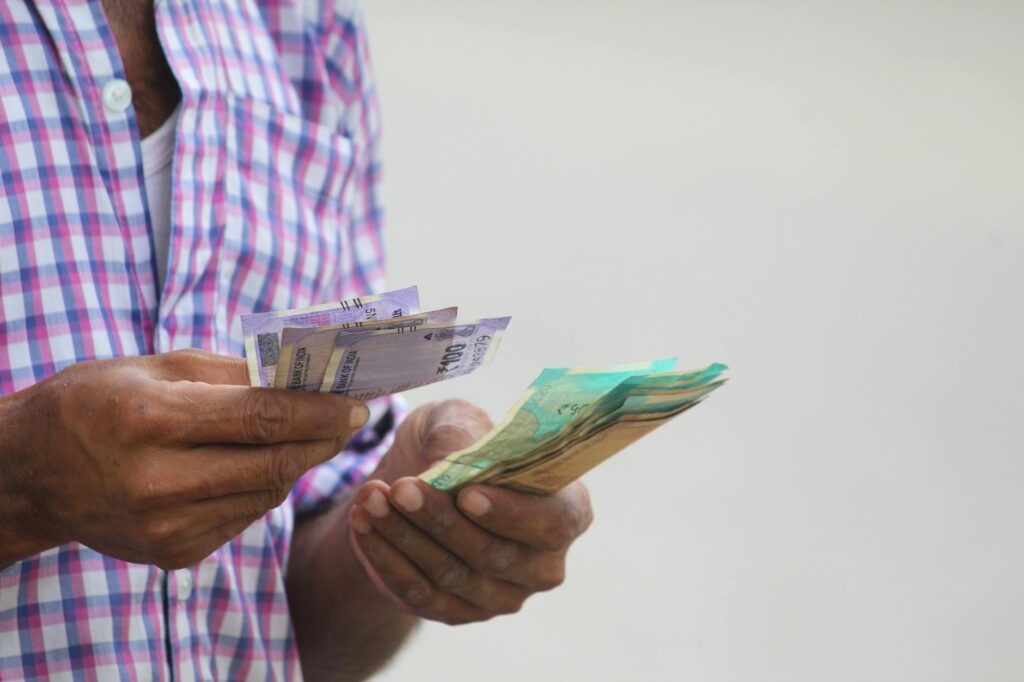
Income Disparity: Complete Guide
Introduction
Income disparity, often referred to as income inequality, is a pressing issue that affects economies globally. It describes the uneven distribution of income among individuals or groups within a society. This phenomenon can have far-reaching implications for social stability, economic growth, and overall quality of life. Understanding income disparity is crucial for policymakers, economists, and citizens alike, as it influences various aspects of society and the economy.
What Is Income Disparity?
Income disparity is a measure of the unequal distribution of income within a population. It can be observed at various levels, including local, national, and global scales. Income is often distributed unevenly due to a variety of factors, including education, job opportunities, inheritance, discrimination, and labor market dynamics.
Economists often use tools such as the Gini coefficient, which measures income distribution on a scale from 0 (perfect equality) to 1 (perfect inequality), to quantify the degree of income disparity in a given population. A higher Gini coefficient indicates greater inequality, while a lower coefficient suggests a more equitable distribution of income.
Why It Matters
Income disparity is not merely a statistic; it has real-world implications that can affect every aspect of society. Here are several reasons why understanding income disparity is important:
1. Social Stability: High levels of income inequality can lead to societal unrest, increased crime rates, and a breakdown of social cohesion.
2. Economic Growth: Disparities in income can stifle economic growth by limiting access to education and healthcare for lower-income groups, which in turn reduces their ability to contribute to the economy.
3. Political Influence: Wealthy individuals or corporations often have disproportionate influence over political processes, which can perpetuate income inequality through policies favoring the rich.
4. Quality of Life: Income inequality can affect access to essential services such as healthcare, education, and housing, leading to a lower quality of life for those on the lower end of the income spectrum.
Key Facts and Statistics
Understanding the scale and dimensions of income disparity requires examining some key statistics:
- According to the World Inequality Report 2022, the top 10% of earners captured 52% of total global income, while the bottom 50% received only 8%.
- In the United States, the Gini coefficient has increased from 0.394 in 1967 to 0.486 in 2020, indicating a growing income disparity.
- The OECD reports that income inequality has risen in most member countries since the 1980s, with the richest 10% earning, on average, nine times more than the poorest 10%.
- Studies indicate that countries with higher income inequality tend to have lower levels of social mobility, meaning it is more difficult for individuals to improve their economic status.
Impact on Wealth and Poverty
Income disparity plays a significant role in perpetuating cycles of poverty and affecting overall wealth distribution. When a substantial share of income is concentrated in the hands of a few, it limits opportunities for others. Here are some key impacts:
1. Intergenerational Poverty: Families with low incomes often struggle to provide their children with quality education and healthcare, trapping them in a cycle of poverty.
2. Wealth Accumulation: Those at the top can accumulate wealth more easily, not only through higher earnings but also through investments and assets, widening the wealth gap.
3. Access to Resources: Economic inequality limits access to essential services like housing, education, and healthcare. Those with lower incomes often face higher costs for these services, further straining their financial capacity.
4. Health Disparities: Research shows that lower-income individuals are at higher risk for health issues, which can lead to increased medical expenses and a further entrenchment of poverty.
Real World Examples
Examining real-world examples can help illustrate the complexities of income disparity:
1. United States: The U.S. has experienced significant income inequality over the past few decades, particularly in the technology and finance sectors. The wealth generated in Silicon Valley has contributed to the widening gap between high-income earners and those in lower-wage jobs.
2. Brazil: Historically, Brazil has had one of the highest levels of income inequality in the world. The concentration of wealth among a small elite has led to stark contrasts in living conditions, with affluent neighborhoods situated close to impoverished areas.
3. India: Rapid economic growth in India has lifted many out of poverty, but it has also created a substantial income gap. The benefits of economic growth have not been evenly distributed, leading to increased disparities between urban and rural populations.
4. South Africa: Post-apartheid South Africa has struggled with income inequality, with the Gini coefficient remaining among the highest in the world. Economic opportunities remain unequal, and a significant portion of the population continues to live in poverty.
Advantages and Disadvantages
While income disparity is often viewed negatively, it is important to consider both sides of the issue.
Advantages
1. Incentives for Innovation: A certain level of income disparity can motivate individuals to innovate and excel, driving economic growth and technological advancement.
2. Investment: Wealth concentration can lead to increased investment in businesses and startups, potentially fostering job creation and economic expansion.
Disadvantages
1. Social Division: High levels of income disparity can lead to social fragmentation, reducing trust and cooperation among different socio-economic groups.
2. Reduced Economic Mobility: As income disparity increases, opportunities for upward mobility diminish, making it harder for individuals from lower-income backgrounds to improve their circumstances.
3. Health and Education Gaps: Disparities in income often translate to disparities in health and education, perpetuating cycles of poverty and inequality.
Future Trends
As economies continue to evolve, several trends are emerging that may affect income disparity:
1. Automation and AI: The rise of automation and artificial intelligence may displace low-wage jobs while disproportionately benefiting higher-skilled workers, potentially widening income inequality.
2. Globalization: While globalization has lifted millions out of poverty, it has also contributed to income disparity by creating winners and losers in the labor market.
3. Policy Changes: Governments worldwide are increasingly recognizing the need to address income inequality through various policy measures, including progressive taxation, minimum wage increases, and social safety nets.
4. Social Movements: Growing public awareness of income disparity is leading to increased advocacy for economic justice, influencing political agendas and policy-making.
Frequently Asked Questions
What is the difference between income disparity and wealth disparity?
Income disparity refers to the unequal distribution of income, while wealth disparity focuses on the unequal distribution of assets and resources.
How can income disparity be measured?
Income disparity can be measured using various metrics such as the Gini coefficient, the Lorenz curve, and income percentiles.
What are some policy solutions to address income disparity?
Potential policy solutions include progressive taxation, increased access to education and job training, minimum wage adjustments, and the strengthening of social safety nets.
Is income disparity the same in every country?
No, income disparity varies significantly across countries and regions, influenced by factors such as economic structure, governance, social policies, and historical context.
Can income disparity be reduced?
Yes, through targeted policies and initiatives, it is possible to reduce income disparity and promote more equitable economic growth.
Conclusion
Income disparity is a complex issue that impacts economic stability, social cohesion, and individual well-being. Understanding its causes, effects, and potential solutions is essential for fostering a more equitable society. As we move forward, addressing income disparity will require concerted efforts from governments, businesses, and communities to create an environment where everyone has the opportunity to thrive.