
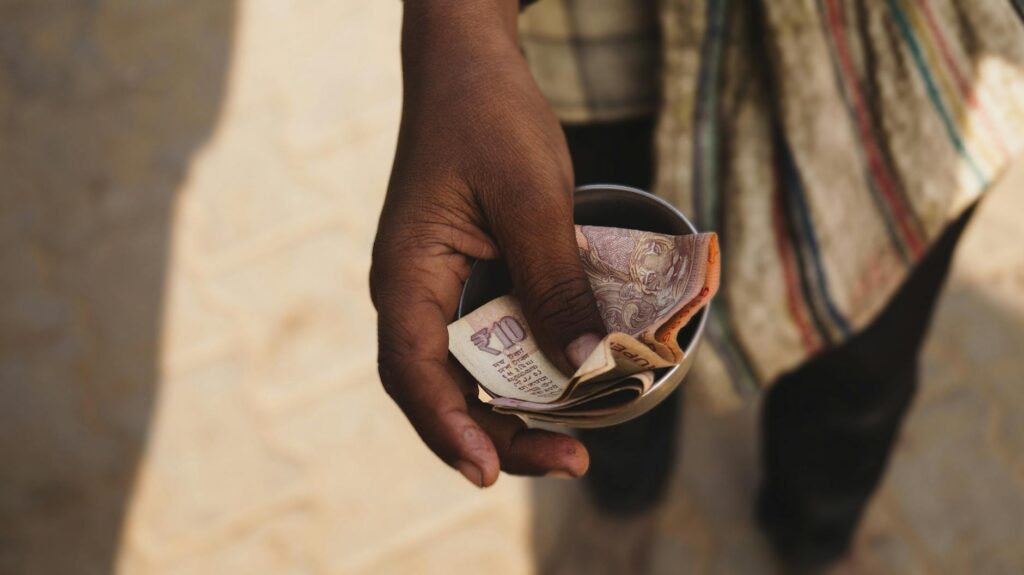
How Wealth Poverty Narratives Affect Your Finances
Introduction
The stories we tell ourselves about wealth and poverty shape not only our perceptions but also our realities. These narratives, steeped in cultural, social, and economic contexts, influence our decisions, aspirations, and ultimately, our financial well-being. Behind every statistic about wealth inequality lies a human experience, often marked by struggle, resilience, and dreams deferred. In this exploration, we will delve into how these narratives impact our lives, revealing the emotional undercurrents that define our financial landscapes.
What Is Wealth Poverty Narratives?
Wealth poverty narratives are the stories and beliefs about wealth and poverty that circulate within societies. They encapsulate how we view the rich and the poor, often painting one group as deserving and the other as undeserving. These narratives can manifest in various forms, from media portrayals of billionaires to the stigmatization of those living in poverty. They shape our attitudes toward money, success, and failure, subtly dictating how we perceive our own financial journeys.
Imagine a child in a low-income neighborhood, surrounded by stories of struggle and hardship, where wealth seems an unattainable dream. This environment can instill a sense of hopelessness, making financial success feel like a destination reserved for others. Conversely, a child raised in affluence may grow up with a narrative that wealth is synonymous with hard work and merit. These dichotomous stories serve to reinforce the status quo, perpetuating cycles of poverty and wealth.
Why It Matters
Understanding wealth poverty narratives is crucial because they affect our emotional responses to money. When we internalize negative narratives about poverty, we may feel ashamed, unworthy, or helpless. Conversely, those who identify with wealth narratives may develop a sense of entitlement, viewing their financial success as a reflection of their inherent superiority. This emotional disconnect can lead to a lack of empathy for others and a deepening divide that feels insurmountable.
Consider the emotional impact of a single mother working multiple jobs to provide for her children. She may feel guilt as she struggles to make ends meet while hearing stories of wealthy entrepreneurs who built their empires overnight. The anxiety of living paycheck to paycheck can erode her self-worth, while the glamorization of wealth can amplify her feelings of inadequacy.
Key Facts and Statistics
Statistics reveal a stark reality: the wealthiest 1% of the global population holds more wealth than the bottom 6.9 billion people combined. This staggering fact not only illustrates economic disparity but also emphasizes the narratives that sustain such inequality. The rich are often portrayed as savvy and industrious, while the poor are painted as lazy or unfortunate victims of circumstance.
The narratives surrounding these statistics can lead to a fatalistic mindset among those in poverty, discouraging them from seeking opportunities for change. When faced with overwhelming evidence of systemic inequality, hope can flicker and fade, replaced by resignation.
Impact on Wealth and Poverty
Wealth poverty narratives wield significant power in shaping economic outcomes. They influence public policy, community support systems, and even individual aspirations. When society predominantly views wealth as a result of hard work, those struggling financially may internalize guilt and shame, believing they have failed in some fundamental way.
Moreover, these narratives can also perpetuate stereotypes that affect access to resources. A low-income individual may face barriers to employment, education, or financial support due to biases that stem from societal narratives. As a result, poverty becomes a self-reinforcing cycle, where individuals feel trapped and powerless to change their circumstances.
Real World Examples
One poignant example of how wealth poverty narratives play out in real life can be seen in the story of Maria, a single mother from a low-income neighborhood. Maria works tirelessly, juggling two jobs to support her three children. Despite her efforts, financial stability remains elusive, and she often finds herself choosing between groceries and utility bills.
Maria’s narrative is shaped by the stories she hears around her—the tales of wealthy entrepreneurs who started from nothing but made it big. Each success story she encounters serves as a reminder of her own struggles, igniting feelings of inadequacy and despair. In her mind, the path to wealth is a steep mountain, one she fears she may never climb.
On the flip side, consider the story of David, a tech entrepreneur who grew up in a privileged environment. His narrative is filled with tales of innovation, risk-taking, and the thrill of success. He sees wealth as a reward for his hard work, and while he acknowledges that not everyone has the same opportunities, his experiences lead him to underestimate the challenges faced by those like Maria.
These contrasting narratives highlight how deeply entrenched societal beliefs can shape our understanding of wealth and poverty, fueling emotional dissonance and conflict between different socioeconomic groups.
Advantages and Disadvantages
Wealth poverty narratives come with both advantages and disadvantages. For the wealthy, the narrative often reinforces their success, fostering a sense of belonging and community among those who share similar stories. However, this can lead to a lack of empathy for the struggles faced by others, perpetuating a cycle of ignorance and indifference.
For those in poverty, the disadvantages are more pronounced. Negative narratives can stifle ambition and foster a sense of defeat. However, there is potential for empowerment when individuals challenge these narratives. By sharing their stories and reframing their experiences, those in poverty can reshape the perception of their circumstances, creating a collective narrative that emphasizes resilience, community support, and the pursuit of change.
Future Trends
As we move forward, the narratives surrounding wealth and poverty are evolving. Social media platforms have given a voice to marginalized communities, allowing individuals to share their stories and challenge traditional narratives. The rise of movements advocating for wealth redistribution and social justice reflects a growing awareness of economic disparities.
However, there is also a risk that the commercialization of these narratives—often filtered through the lens of influencers and celebrities—may dilute their authenticity. As society grapples with these complex issues, it is crucial to continue amplifying the voices of those who have been historically silenced.
Frequently Asked Questions
How can narratives about wealth and poverty impact mental health?
Narratives can significantly affect mental health, as feelings of inadequacy, shame, and hopelessness may arise from internalizing negative beliefs about poverty.
Are wealth poverty narratives purely negative?
While many narratives highlight struggles and challenges, they can also serve as sources of inspiration and resilience, showcasing the strength of individuals who overcome adversity.
How can individuals challenge negative wealth poverty narratives?
By sharing personal stories, engaging in community discussions, and advocating for systemic change, individuals can reshape narratives and promote empathy and understanding.
What role does media play in shaping wealth poverty narratives?
Media plays a crucial role in framing narratives, often emphasizing sensational stories over nuanced realities. Responsible storytelling is essential for fostering a balanced understanding of financial disparities.
Can wealth poverty narratives change over time?
Yes, narratives can evolve as societies change, influenced by cultural shifts, policy changes, and grassroots movements that challenge existing beliefs.
—
In the end, wealth poverty narratives are more than just stories; they are the lenses through which we view our world. They touch our hearts, stir our emotions, and shape our financial realities. By recognizing and challenging these narratives, we can begin to forge a path toward greater understanding, empathy, and ultimately, change.