
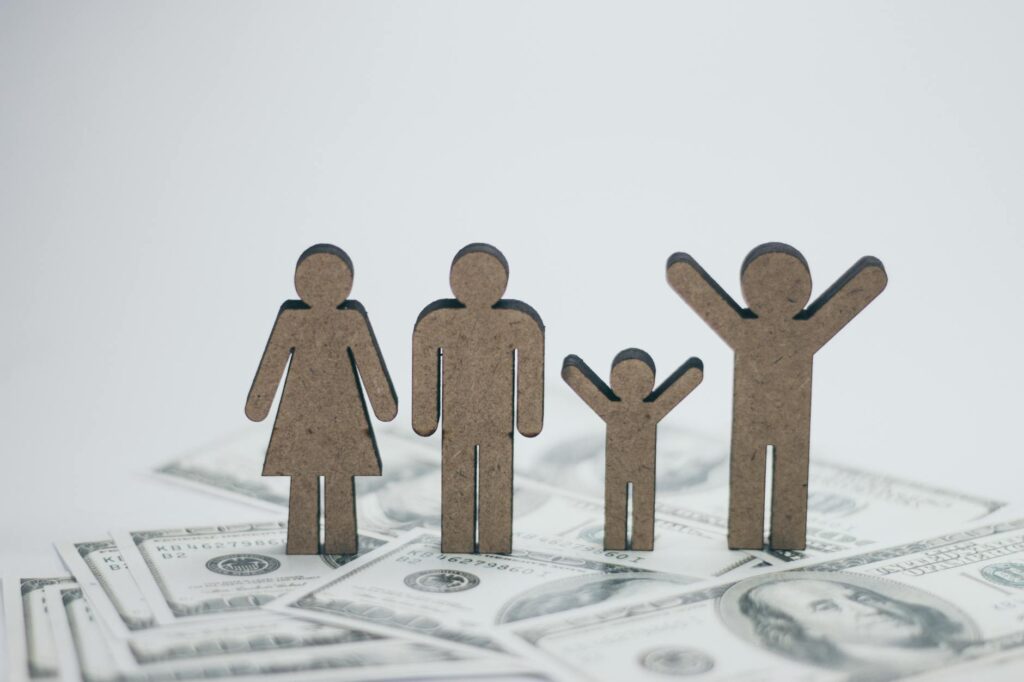
How Income Inequality Impacts Wealth and Poverty
Introduction
In a world where a few possess immense wealth while countless others struggle to make ends meet, the chasm between rich and poor is not just a statistic—it’s a heartbreaking reality. It’s the single mom who works two jobs yet still can’t afford her child’s school supplies, while a billionaire casually spends more on a luxury yacht than many will ever see in a lifetime. This is the emotional landscape of income inequality, one that reverberates through families, communities, and the very fabric of society.
What Is Income Inequality?
Income inequality refers to the uneven distribution of income within a population. It’s not merely about who has more money; it’s about the stories each dollar represents—the sacrifices, dreams, and despair intertwined with financial struggle. Picture a neighborhood where some houses have manicured lawns and pristine cars parked in driveways, while just blocks away, families live in cramped apartments, counting coins to buy a loaf of bread. This stark contrast is more than just economic data; it’s the daily lives of real people, filled with unfulfilled aspirations and relentless hardship.
Why It Matters
The significance of income inequality transcends economics; it seeps into the very essence of human dignity. When wealth is concentrated in the hands of a few, it breeds resentment and despair among those left behind. Imagine a young girl who dreams of becoming a doctor but feels the weight of her family’s financial burdens. The dream fades, replaced by the harsh reality of survival. Income inequality erodes the belief in meritocracy, where hard work should lead to success. Instead, it perpetuates a cycle where the rich get richer and the poor remain trapped, fostering a sense of hopelessness that can last generations.
Key Facts and Statistics
Statistics paint a bleak picture. The richest 1% now holds more wealth than the bottom 90% combined. In many countries, the top 10% of earners take home nearly half of all income, while those at the bottom struggle to meet basic needs. More than 700 million people live on less than $1.90 a day, a reality that starkly contrasts with the lavish lifestyles of the wealthy. These numbers are not just figures; they represent the lives of real people—families who go to bed hungry, children who lack access to education, and individuals who are denied opportunities simply due to their economic status.
Impact on Wealth and Poverty
The impact of income inequality on wealth and poverty is profound and multifaceted. It creates a society where the rich have access to quality education, healthcare, and opportunities, while the poor are left to navigate a labyrinth of obstacles. Wealth begets wealth—those born into affluent families inherit resources and connections that enable them to thrive, while those in poverty face systemic challenges that seem insurmountable. Consider a young boy from a low-income neighborhood who dreams of a brighter future but is stifled by underfunded schools and a lack of mentorship. The emotional toll of such inequality is staggering, as dreams are crushed beneath the weight of circumstance.
Real World Examples
These issues come to life through personal stories that tug at the heartstrings. Take the story of Maria, a hardworking waitress who juggles multiple jobs to support her three children. Each month, Maria struggles to pay rent, often choosing between groceries and utility bills. Her dreams of sending her children to college seem like a distant fantasy. Meanwhile, across town, wealthy families attend exclusive private schools, ensuring their children have every advantage. The contrast is painful and palpable—two worlds existing side by side, each shaped by the circumstances of birth.
Then there’s the story of David, a brilliant young man from a low-income neighborhood with aspirations of attending a prestigious university. Despite his exceptional grades and determination, the soaring costs of higher education loom like a dark cloud, threatening to extinguish his hopes. His wealthy peers, with their family connections and financial resources, seem to sail effortlessly toward success. David’s experience highlights the emotional scars of inequality—the feeling of being trapped in a system that favors the affluent while punishing the less fortunate.
Advantages and Disadvantages
While some argue that income inequality can drive innovation and economic growth, the disadvantages far outweigh the advantages. The emotional toll on those living in poverty is profound; it breeds despair and a sense of futility. The wealthy may argue that their success fuels job creation and drives progress, but the stories of those left behind tell a different tale. Families torn apart by financial strain, communities crumbling under the weight of neglect, and individuals facing the stigma of poverty reveal a society fractured by inequality.
Moreover, the psychological impact of income inequality cannot be overlooked. The constant stress of financial insecurity, coupled with societal stigma, can lead to mental health issues, affecting not just the individuals but entire communities. The disparity creates a sense of “us versus them,” fueling divisions that hinder social cohesion and progress.
Future Trends
As we look toward the future, the consequences of income inequality are likely to become even more pronounced. Automation and technological advancements threaten to displace low-income jobs while creating opportunities primarily for the wealthy. The emotional struggle of those left behind in this rapidly changing landscape is palpable. Will we witness a growing divide, where the rich isolate themselves in gated communities, while the poor battle for survival in a world that seems indifferent to their plight?
The rise of social movements advocating for economic justice signifies a shift in consciousness. People are beginning to challenge the status quo, demanding fair wages, better working conditions, and access to opportunities. These movements, fueled by the voices of the marginalized, are powerful reminders that change is possible. The emotional resonance of these stories can ignite a collective desire for a more equitable society, where wealth is not concentrated in the hands of a few but shared among all.
Frequently Asked Questions
How does income inequality affect mental health?
Income inequality can lead to increased stress, anxiety, and depression among those living in poverty. The constant struggle for basic needs takes a toll on mental well-being and can perpetuate a cycle of despair.
Is income inequality a global issue?
Yes, income inequality is a global issue, affecting both developed and developing countries. While the manifestations may differ, the emotional impact on individuals and communities remains profound worldwide.
Can income inequality be reduced?
Reducing income inequality requires systemic changes, including policy reforms, access to quality education, and equitable job opportunities. The emotional voices of those affected must be heard and prioritized in discussions surrounding economic justice.
What role do corporations play in income inequality?
Corporations can contribute to income inequality through wage disparities and exploitative labor practices. However, they also have the power to act as change agents by promoting fair wages and supporting community initiatives.
What can individuals do to address income inequality?
Individuals can advocate for change by supporting policies that promote economic justice, volunteering in their communities, and educating themselves and others about the impacts of income inequality. Every small action can contribute to a larger movement toward equity.
—
In a world rife with stark contrasts, the emotional weight of income inequality is undeniable. The stories of those grappling with poverty remind us that behind every statistic is a human life filled with hope, struggle, and resilience. It’s a call to action, urging us to confront the disparities that shape our society and to strive for a future where wealth is not a privilege reserved for the few, but a shared opportunity for all.