
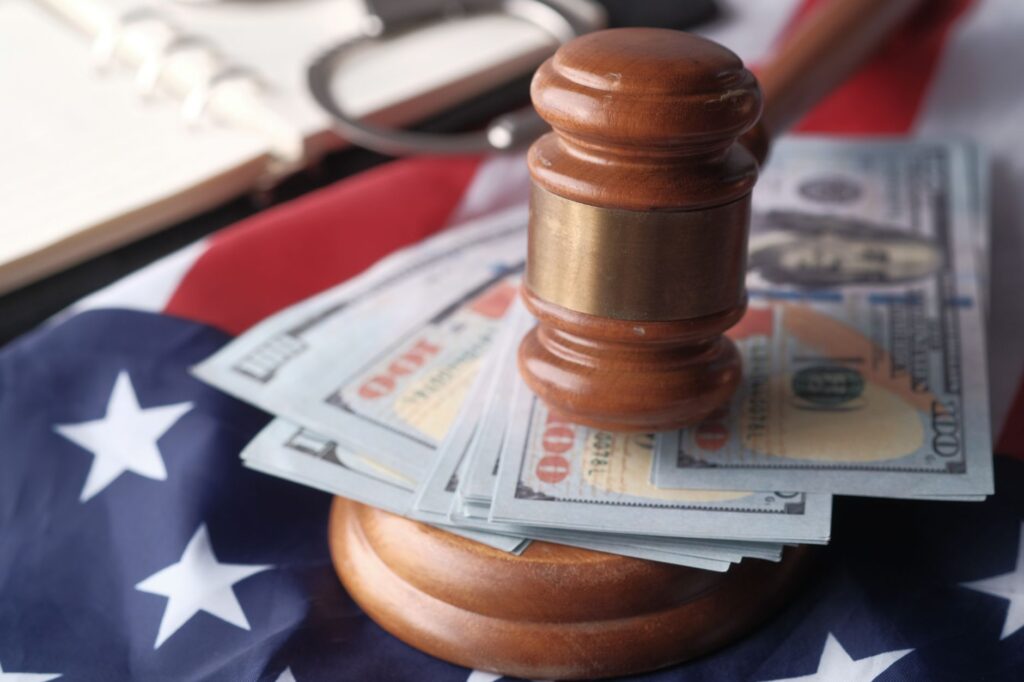
How Economic Injustice Impacts Wealth and Poverty
Introduction
In the shadows of towering skyscrapers and luxurious neighborhoods, the harsh realities of economic injustice unfold. Imagine a mother, tirelessly working two jobs to provide for her children, only to find herself trapped in a cycle of debt. Meanwhile, across town, a wealthy entrepreneur casually writes off expenses that would feed a family for a month. This stark disparity is not merely a statistic; it is a daily struggle that plays out in millions of lives. Economic injustice is not just an abstract concept; it is a visceral reality that shapes destinies, often leaving the vulnerable fighting an uphill battle for survival.
What Is Economic Injustice?
Economic injustice refers to the systemic inequalities that create and perpetuate disparities in wealth and opportunities. It is the unfair allocation of resources that benefits a privileged few while marginalizing the majority. This injustice manifests in various forms—wage gaps, discriminatory lending practices, and unequal access to quality education. It’s not just about how much money one has; it’s about the opportunities available to them and the barriers that keep them from rising. At its core, economic injustice is a betrayal of the promise that hard work leads to success, instead leading many to believe that their efforts will never be enough.
Why It Matters
As we navigate this world, the consequences of economic injustice ripple through our communities. Families are torn apart by financial strain, dreams of higher education are extinguished for lack of funds, and entire neighborhoods fall into disrepair. The emotional toll is staggering. Imagine the frustration of a father who wants to give his children a better life but feels powerless against the forces of systemic inequality. Economic injustice is not just an issue of numbers; it’s about human lives, aspirations, and the basic dignity that every individual deserves.
Key Facts and Statistics
The statistics paint a harrowing picture. According to recent studies, the top 1% of earners own more than 40% of the world’s wealth, while the bottom half struggles to make ends meet. In the United States, the wealth gap has widened considerably over the past few decades, with the richest 10% owning nearly 70% of the country’s wealth. These numbers are not just metrics; they represent countless stories of struggle, despair, and resilience.
Impact on Wealth and Poverty
The impact of economic injustice on wealth and poverty is profound. Families living in poverty often lack access to quality education and healthcare, perpetuating a cycle of disadvantage. Children born into low-income households are more likely to attend underfunded schools and face barriers to higher education. The emotional burden of this reality can be crushing. Picture a bright student with dreams of becoming a doctor, only to be thwarted by financial constraints. This is not just a loss of potential; it is a loss of hope for entire communities.
Conversely, those at the top often shield themselves from the consequences of their wealth. They have access to resources that allow them to thrive, including better education, health care, and networking opportunities. The emotional safety net they enjoy creates a stark contrast with the struggles of those in poverty. The rich can afford to take risks, while the poor often live in fear of making even minor financial missteps.
Real World Examples
Consider the story of Maria, a single mother living in a low-income neighborhood. She works long hours as a waitress, striving to provide for her two children. Despite her hard work, Maria cannot afford basic healthcare, and when her youngest falls ill, she faces a heart-wrenching decision: pay for the doctor or risk her child’s health. Meanwhile, her wealthy neighbor, who inherited a thriving business, casually enjoys a lavish vacation, oblivious to the struggles of those around him.
Then there’s the tale of Samuel, a talented artist from a disadvantaged background. With dreams of showcasing his work in a prestigious gallery, he faces an uphill battle against a system that favors established artists with connections and funding. His passion is met with rejection, not because of a lack of talent, but because of systemic barriers. The emotional weight of unfulfilled dreams can be devastating, leaving individuals like Samuel to question their worth and purpose.
Advantages and Disadvantages
While the advantages of wealth are evident—better healthcare, education, and opportunities—the disadvantages of poverty are often invisible. Those in poverty may experience chronic stress, mental health issues, and a lack of social mobility. This systemic disadvantage creates a cycle where the rich continue to accumulate wealth while the poor remain stagnant, fueling feelings of hopelessness and despair.
In a world where economic injustice prevails, the ability to thrive becomes a privilege rather than a right. The emotional consequences of this disparity can lead to disenfranchisement, resentment, and social unrest. It’s a vicious cycle that feeds on itself, creating a landscape of fear and hopelessness for those at the bottom.
Future Trends
As we look to the future, the question remains: will economic injustice continue to widen the gap between the rich and the poor? With advances in technology and globalization, the potential for wealth concentration is greater than ever. Many fear a future where a few tech moguls control vast resources while the majority struggle to make ends meet.
However, there’s also a growing awareness of these issues, sparking conversations around economic reform and social justice. Movements advocating for fair wages, universal healthcare, and equitable education are gaining momentum. These movements are not just about policy; they represent the voices of those who have been silenced for too long. The emotional resonance of these struggles can inspire change, igniting hope in communities that have long felt forgotten.
Frequently Asked Questions
What can be done to address economic injustice?
Addressing economic injustice requires systemic change, including policies that promote equitable access to education, healthcare, and fair wages. Community activism, advocacy, and supporting local enterprises can also make a significant impact.
How does economic injustice affect mental health?
The stress of financial instability can lead to anxiety, depression, and a sense of hopelessness. Individuals facing economic injustice often experience a lack of control over their lives, contributing to mental health challenges.
Can wealth inequality be reversed?
While reversing wealth inequality is complex, it is not impossible. Through policy reforms, community support, and grassroots movements, society can work towards a more equitable distribution of resources.
What role does education play in economic injustice?
Education is a crucial factor in breaking the cycle of poverty. However, unequal access to quality education perpetuates economic injustice, leaving many without the tools they need to succeed.
Why should we care about economic injustice?
Caring about economic injustice is not just a moral imperative; it is essential for the health of society. When communities thrive, everyone benefits, leading to a more stable and prosperous future for all.
—
In a world where economic injustice thrives, the emotional toll on individuals and communities cannot be overstated. Each story of struggle and resilience reminds us of the humanity behind the statistics. By acknowledging these realities, we can begin to foster empathy and drive meaningful change, ensuring that the cycle of poverty and wealth inequality is broken for generations to come.