
How Debt Stories of Struggle Affects Your Finances
Introduction
Debt is often portrayed as an abstract concept—a mere number on a balance sheet or a statistic in a financial report. Yet, for countless individuals, debt embodies a narrative of struggle, anxiety, and despair. These stories reveal the harsh realities of financial inequality, where the chasm between the wealthy and the impoverished widens, leaving many ensnared in a cycle of hardship. This article dives deep into the emotional weight of debt stories, exploring how they affect personal finances and the larger economic landscape.
What Is Debt Stories of Struggle?
Debt stories of struggle are narratives that encapsulate the human experience with borrowing and repayment. These tales are not just about the numbers; they are woven with emotions of fear, desperation, and, at times, resilience. They speak to the heart of what it means to be trapped in a system that often favors the affluent while allowing the less fortunate to spiral deeper into financial turmoil.
Consider the story of Maria, a single mother working two jobs to support her children. Despite her tireless efforts, unexpected medical bills and car repairs have pushed her into a debt pit. Each month, she juggles bills, often choosing between buying groceries or making a loan payment. Her struggle isn’t just financial—it’s a daily emotional battle that affects her relationship with her children, her mental health, and her overall quality of life.
Why It Matters
Understanding these stories is crucial because they humanize the statistics. Behind every number is a person with dreams, fears, and aspirations. Acknowledging the emotional significance of debt can foster empathy and drive systemic change. When we recognize the struggles of individuals like Maria, we may begin to see the urgent need for reform in how we handle debt and financial education.
Moreover, these stories illustrate how debt can perpetuate cycles of poverty. Those already struggling often find themselves in situations that make it challenging to escape their financial burden, leading to a sense of hopelessness. This cycle not only affects individuals but also hampers community growth and development.
Key Facts and Statistics
While the emotional stories are compelling, the numbers paint an equally dire picture. According to recent reports, nearly 80% of Americans live paycheck to paycheck, leaving them vulnerable to unexpected expenses. The average student loan debt in the U.S. has reached over $30,000, burdening a generation with financial shackles that can last for decades.
In lower-income neighborhoods, predatory lending practices often target desperate individuals, trapping them in a cycle of debt that is nearly impossible to escape. A study revealed that families in these areas are often charged up to 400% APR on payday loans, a financial practice that many affluent individuals would never experience.
Impact on Wealth and Poverty
The emotional toll of debt extends beyond personal finances; it affects the broader economic landscape. As individuals struggle to repay loans, they spend less in their communities, contributing to a cycle of disinvestment that further entrenches poverty. Wealth inequality is exacerbated when the rich have access to low-interest loans and favorable credit terms, allowing them to accumulate more wealth, while the poor are left to navigate a labyrinth of high-interest debt.
Consider the emotional strain on families like the Johnsons, who live in a low-income neighborhood. With mounting medical bills and a car that frequently breaks down, every unexpected expense feels like a new mountain to climb. Their financial struggles lead to stress-related health issues, which only adds to their burdens. In contrast, wealthier families can absorb such shocks, often emerging from financial challenges unscathed.
Real World Examples
Real-life stories often reveal the stark contrast between the experiences of the rich and the poor. Take, for instance, the story of David, a successful entrepreneur. He took out a loan to expand his business, confident that his financial safety net would allow him to repay it easily. When the market shifted, he faced challenges but had the resources to pivot and ultimately thrive.
In contrast, look at the story of Lisa, a waitress who borrowed $500 for a medical emergency. Unable to pay it back on time, she fell victim to a predatory lending cycle, with fees and interest rates ballooning the amount owed to thousands. Her health deteriorates as she struggles to make ends meet, and her dreams of starting a small business slip further away.
These contrasting narratives serve as powerful reminders of how debt can be a tool of empowerment for some and a weapon of oppression for others.
Advantages and Disadvantages
While debt is often viewed negatively, it can have both advantages and disadvantages depending on one’s financial situation. For the wealthy, debt can be a means to leverage investment opportunities, allowing them to build empires and create generational wealth.
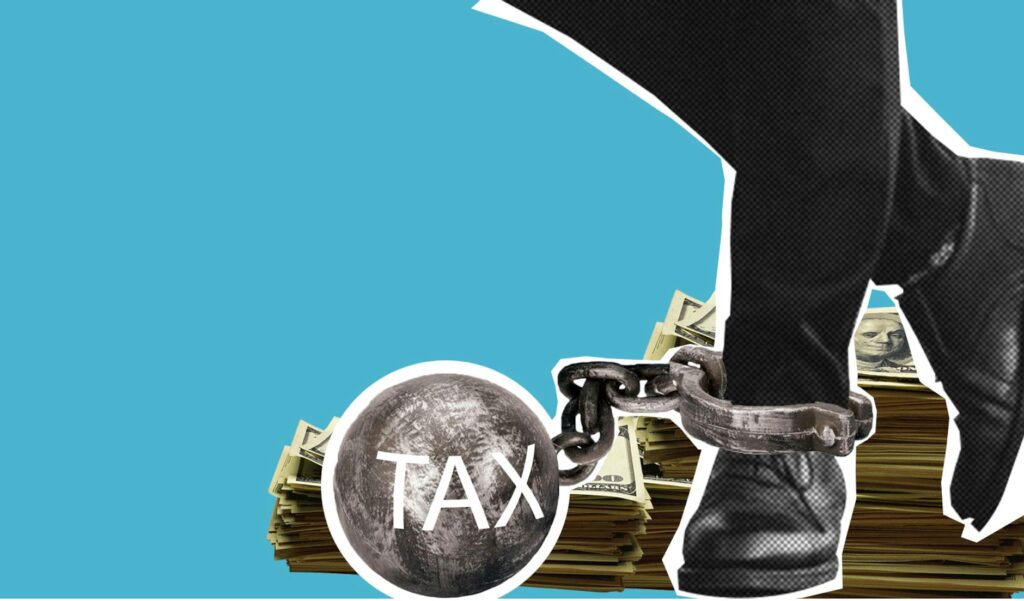
However, for the less fortunate, debt can feel like a noose tightening around their necks. The disadvantages are glaring: mounting interest, loss of mental health, and deteriorating family relationships. The emotional toll can lead to a sense of despair that hampers any hope for a brighter financial future.
Future Trends
As we look to the future, the stories of struggle with debt will likely continue to evolve. The increasing prevalence of technology in finance could offer new avenues for individuals to manage their debt more effectively. However, the gap between the wealthy and the poor may also widen as access to financial education and resources remains uneven.
The rise of digital currencies and decentralized finance offers hope but also presents new challenges. Will these innovations empower those who are currently disenfranchised, or will they simply become another tool for the affluent to maintain their advantage?
Frequently Asked Questions
What can I do if I’m struggling with debt?
If you’re facing financial challenges, seeking support from local community organizations or financial counseling services can provide guidance tailored to your situation.
Are there resources available for those in poverty?
Many non-profit organizations offer resources for budgeting, financial education, and access to emergency funds. Local government programs may also assist with housing and food security.
How can we address wealth inequality?
Addressing wealth inequality requires collective action, including advocating for policy reforms, supporting local businesses, and promoting financial literacy in underserved communities.
What role does mental health play in financial struggles?
The emotional weight of debt can significantly impact mental health, leading to anxiety, depression, and strained relationships. Addressing these issues holistically is essential for long-term recovery.
Is there hope for those in debt?
Yes, while the journey may be challenging, many individuals have found ways to overcome their financial struggles. Community support, education, and resilience play critical roles in this process.
Conclusion
Debt stories of struggle are not merely statistics; they encapsulate the human experience of navigating a complex financial landscape. These narratives reveal the emotional and psychological burdens that accompany financial hardship, amplifying the urgency for change. As we continue to confront the realities of wealth inequality and the haunting grip of debt, let us remember the stories—the faces behind the numbers—and strive for a more equitable future. After all, it is in these stories that we find our shared humanity, igniting the desire for a world where financial struggle is no longer a certainty for so many.