
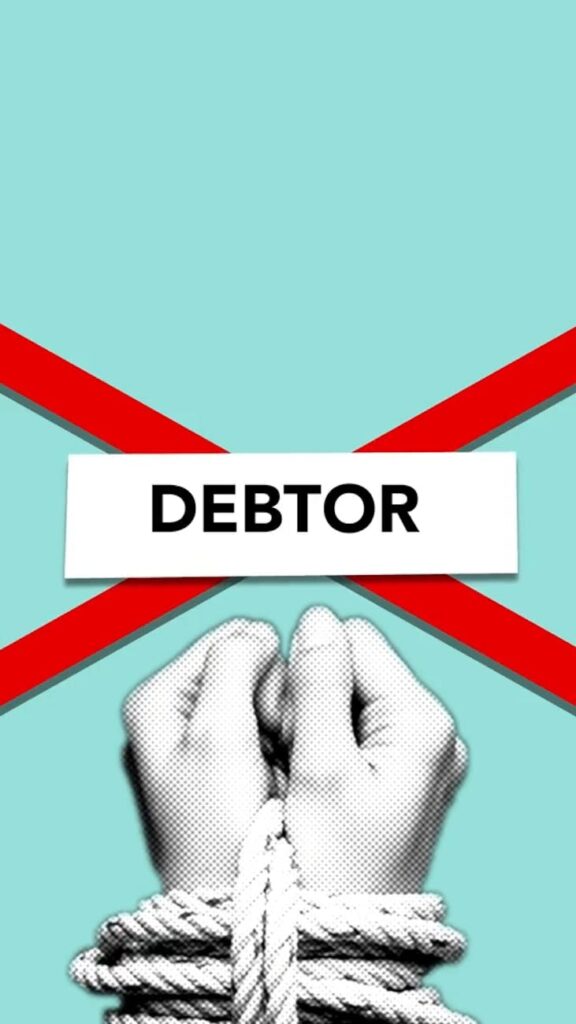
How Debt Restructuring Impacts Wealth and Poverty
Introduction
Debt can be a heavy shackle, dragging down dreams and futures. For many, it is a bitter cycle that seems impossible to escape, while the wealthy often glide through life with the kind of financial safety nets that make bankruptcy a mere inconvenience. In this landscape, debt restructuring emerges as both a lifeline and a battlefield—the stakes are high, and the outcomes can either alleviate suffering or deepen the chasms of wealth inequality.
What Is Debt Restructuring?
At its core, debt restructuring is an agreement between a borrower and a lender to modify the terms of an existing debt. This could involve extending payment deadlines, reducing interest rates, or even writing off a portion of the debt. For the wealthy, this can mean negotiating favorable terms that allow them to flourish, while for the impoverished, it can be a last-ditch effort to regain a foothold in a world that seems designed to keep them down.
Imagine a single mother, drowning in credit card debt, desperately trying to provide for her children. The bank offers her a debt restructuring plan, but the terms are still too harsh. In contrast, a corporation with vast resources negotiates a similar restructuring and emerges stronger than ever. The contrast is stark: one struggles for survival, while another basks in newfound opportunities.
Why It Matters
The implications of debt restructuring extend far beyond individual circumstances. It can reshape entire communities, economies, and social hierarchies. When the wealthy successfully restructure their debts, they often gain more power and influence, amplifying their financial security. Conversely, when the impoverished face insurmountable debt, they become trapped in a cycle of despair, unable to invest in their futures or their communities.
The emotional toll is profound. Consider the story of a family who lost their home to foreclosure. The children, once filled with dreams of college and success, now grapple with uncertainty and instability. Their parents, burdened by debt and shame, find it increasingly difficult to envision a way out. Meanwhile, in a nearby affluent neighborhood, families are expanding their homes, unbothered by the financial strains that plague others. This dichotomy is not just about money; it’s about hope versus hopelessness.
Key Facts and Statistics
Understanding the scale of debt and its impact on wealth inequality is crucial. According to the Federal Reserve, as of 2021, U.S. household debt reached an alarming $14.6 trillion. A significant portion is held by low-income families, often with crippling interest rates that suffocate their financial freedom. Meanwhile, wealthier households enjoy lower interest rates and greater access to refinancing options.
The statistics tell a story: the bottom 50% of American households hold just 1.9% of the nation’s wealth, while the top 1% controls over 30%. Debt restructuring can be a tool for the wealthy to maintain or enhance their status, while the impoverished often find that the same tool is beyond their reach or offers little relief.
Impact on Wealth and Poverty
The emotional landscape of wealth and poverty is deeply intertwined with how debt restructuring is applied. For the affluent, restructuring is often a strategic move to optimize wealth, allowing them to invest further or expand their business horizons. For those in poverty, however, restructuring might feel like a lifeline—yet it often comes with strings attached that can lead to further financial ruin.
Take the example of a small business owner in a low-income neighborhood. After years of struggle, they finally secure a debt restructuring plan. Initially, it seems like a relief, but the new terms are so onerous that they find themselves unable to keep up with payments. The dream of a thriving business turns into a nightmare, leading to bankruptcy and the loss of their home.
In stark contrast, a tech giant restructures its debt to invest in new technologies, ultimately leading to higher profits and more job opportunities—albeit often in other countries. The emotional fallout for the laid-off workers is profound. They not only lose their jobs but also their sense of identity and community. The rich get richer, while the poor are left to pick up the pieces.
Real World Examples
The stories of individuals impacted by debt restructuring often reveal the broader consequences of financial systems. In Greece, the 2010 debt crisis led to severe austerity measures that significantly impacted the everyday lives of citizens. Families were torn apart, and communities shattered as people struggled to make ends meet. Debt restructuring was presented as a solution, but for many, it became a source of further despair.
On the other hand, consider the case of a large multinational corporation that successfully restructured its debt during an economic downturn. By negotiating lower interest rates and extending payment schedules, the company not only survived but thrived, enabling it to invest in innovation and expand its workforce. While some employees benefit, the broader economic gap continues to widen.
Advantages and Disadvantages
Debt restructuring has its pros and cons, and the emotional weight of these outcomes can be heavy. For the wealthy, advantages include better cash flow management, opportunities for reinvestment, and greater financial freedom. For the impoverished, restructuring can provide temporary relief but often comes with hidden pitfalls—higher long-term costs and continued stress.
The emotional consequences of these advantages and disadvantages can be debilitating. The wealthy may feel empowered and optimistic, while the poor often face a perpetuation of anxiety and fear. The dichotomy between these experiences creates a rift in society, where the privileged few are insulated from the challenges faced by the many.
Future Trends
As global economies fluctuate, the landscape of debt restructuring will continue to evolve. The emotional implications of these changes will be felt most acutely by those already struggling. As technology advances, more individuals may turn to online platforms for debt restructuring solutions, but is this truly equitable? Will the same access be available to those in poverty, or will it further entrench existing inequalities?
There is a pressing need for a more just approach to debt restructuring—one that prioritizes the well-being of all individuals, not just the affluent. The emotional cost of ignoring this need is too high, as more families find themselves on the brink of financial ruin.
Frequently Asked Questions
How does debt restructuring affect credit scores?
Debt restructuring can have varying impacts on credit scores. While it may provide immediate relief, it can also reflect negatively if not managed properly, leading to a cycle of shame and despair.
Is debt restructuring the same as bankruptcy?
No, debt restructuring is typically a modification of existing debt terms, while bankruptcy is a legal process that discharges debts. The emotional consequences of both can be severe, often leaving individuals feeling defeated.
Can anyone access debt restructuring?
Access to debt restructuring often depends on financial status, creditworthiness, and the willingness of lenders to negotiate. Unfortunately, those in poverty may find themselves with limited options, deepening their emotional and financial struggles.
What should I do if I can’t afford my debts?
Seek help from reputable financial counseling services and explore options for debt restructuring. However, the emotional toll of these decisions can be heavy, and it’s essential to prioritize mental well-being during this process.
—
The emotional landscape of debt restructuring reveals a stark reality: while some may find hope and opportunity, too many others face despair and hopelessness. The stories of individuals caught in this web of wealth and poverty serve as a poignant reminder of the urgent need for reform and compassion in our financial systems.