
How Debt Narratives of Struggle Impact Wealth and Poverty
Introduction
In the shadows of skyscrapers that pierce the clouds, the narratives of those who struggle with debt often go unheard. While the affluent navigate a world of abundance, many find themselves ensnared in a cycle of financial despair, where each day is a battle against mounting obligations. In this world, debt isn’t just a number; it’s a story—one filled with hope, despair, and the relentless pursuit of a better life. These narratives not only shape individual lives but also reflect a broader societal issue, highlighting the stark divide between wealth and poverty.
What Is Debt Narratives of Struggle?
At its core, debt narratives of struggle encapsulate the stories of individuals and families grappling with financial burdens. It’s the heart-wrenching tale of a single mother, who, despite working multiple jobs, struggles to keep the lights on and food on the table. It’s the story of a recent college graduate, trapped in a web of student loans, who feels the weight of her dreams crushing under the reality of her financial situation. These narratives reveal the emotional turmoil and societal pressures that accompany debts, transforming financial figures into poignant life stories.
Why It Matters
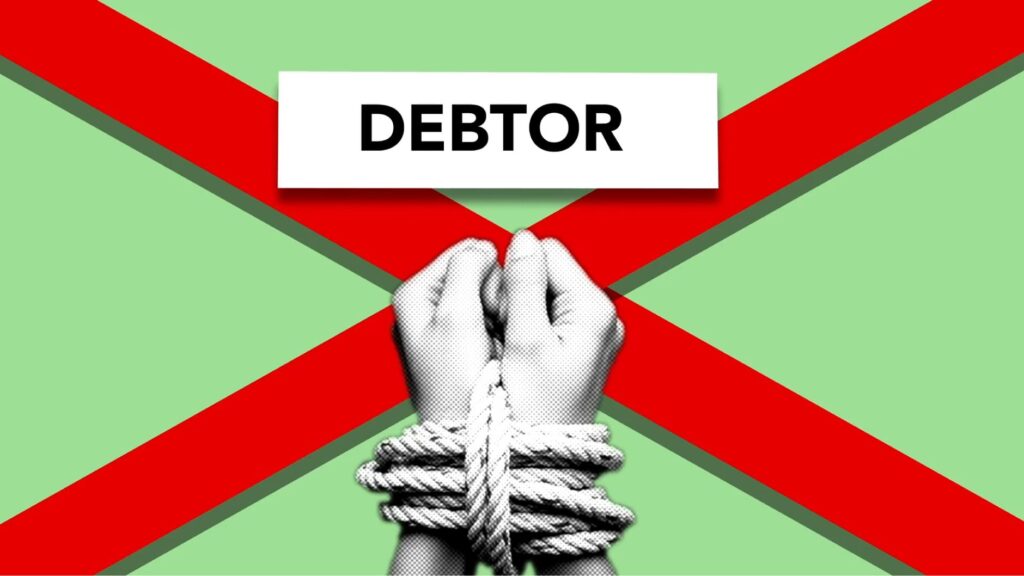
Understanding these narratives is crucial for grasping the complexities of wealth and poverty. Debt can feel like a shackle, binding individuals to a life of fear and uncertainty. For many, the struggle with debt is not just a financial issue; it’s an emotional and psychological burden that influences mental health, relationships, and overall well-being. Ignoring these narratives means turning a blind eye to the realities faced by millions, perpetuating a cycle of inequality that is both unjust and unsustainable.
Key Facts and Statistics
To further illuminate the gravity of this issue, consider these stark statistics: Approximately 80% of Americans are in debt, with the average household owing around $15,000 in credit card debt alone. In lower-income brackets, this debt is often compounded by predatory lending practices, which target vulnerable populations. According to a recent study, nearly 40% of Americans would struggle to cover a $400 emergency expense, revealing the fragility of financial stability in the face of debt. These figures are more than just numbers; they represent lives filled with anxiety, despair, and an unrelenting struggle for security.
Impact on Wealth and Poverty
The narratives of debt don’t exist in a vacuum; they intertwine with the very fabric of wealth and poverty. For the wealthy, debt often serves as a tool for investment and growth, a means to leverage assets and expand their fortunes. In stark contrast, for those in poverty, debt can be a trap that deepens their financial woes. This disparity in experiences creates a chasm in society, where the rich accumulate wealth through smart borrowing, while the poor are left to drown in high-interest loans and crippling payments.
The psychological impact of this divide is profound. The wealthy often feel empowered by their financial decisions, while those burdened by debt grapple with shame and hopelessness. This emotional toll can lead to a cycle of poverty that feels inescapable, where each financial misstep is met with the weight of societal judgment and stigma.
Real World Examples
Take the story of Maria, a single mother living in a low-income neighborhood. After losing her job during the pandemic, she turned to payday loans to make ends meet. The vicious cycle of borrowing led her deeper into debt, with interest rates that devoured her already meager income. Each month, she found herself choosing between paying bills and buying groceries for her children. Maria’s narrative is one of resilience amid despair, but it also highlights the systemic issues that trap individuals like her in a never-ending struggle for survival.
Contrast this with John, a successful entrepreneur who took out loans to expand his business. He navigated the debt expertly, using it to fuel growth and ultimately achieve financial freedom. While Maria’s story is filled with hardship, John’s is one of triumph. Yet, both lives illustrate the complex nature of debt—one can be a lifeline, while the other can feel like a noose tightening around one’s neck.
Advantages and Disadvantages
The duality of debt narratives reveals both advantages and disadvantages. For the wealthy, leveraging debt can lead to increased wealth and opportunities. It provides a means to invest in assets that appreciate over time, thus creating generational wealth. However, this same mechanism can work against those in poverty, where debt becomes a burden that stifles growth and limits opportunities.
For low-income families, the disadvantages are stark. High-interest loans and credit card debt can lead to financial instability, impacting mental health and family dynamics. The stress and anxiety of financial burdens can ripple through relationships, often leading to a cycle of despair that feels unbreakable.
Future Trends
As we look to the future, the narratives surrounding debt will continue to evolve. The rise of digital lending platforms and the increasing visibility of financial wellness movements offer both hope and caution. While more people are becoming aware of their financial situations and seeking solutions, the systemic issues that perpetuate wealth inequality remain deeply rooted.
In a world where the rich continue to accumulate wealth, the narratives of those in debt must not be forgotten. As society grapples with the implications of economic disparity, it is imperative to listen to the stories that often go untold. The journey toward financial equity will require both empathy and action.
Frequently Asked Questions
Q: What can individuals do to manage their debt better?
While this article does not provide financial advice, it’s important for individuals to seek resources and support that can help them navigate their financial challenges.
Q: How can society address the wealth inequality exacerbated by debt?
Addressing wealth inequality requires systemic changes, including policy reforms aimed at protecting vulnerable populations from predatory lending practices and promoting financial education.
Q: Are there community resources available for those struggling with debt?
Many communities offer financial counseling services, support groups, and workshops aimed at helping individuals understand and manage their debt.
Q: What role does mental health play in debt narratives?
Mental health is deeply intertwined with financial struggles. Anxiety and depression can be exacerbated by debt, creating a cycle that is difficult to escape without support.
—
In conclusion, debt narratives of struggle serve as a powerful reminder of the emotional and psychological toll that financial burdens can impose. As we navigate the complexities of wealth and poverty, it is essential to listen to these stories, understand their implications, and work toward a more equitable society where everyone has the opportunity to thrive.