
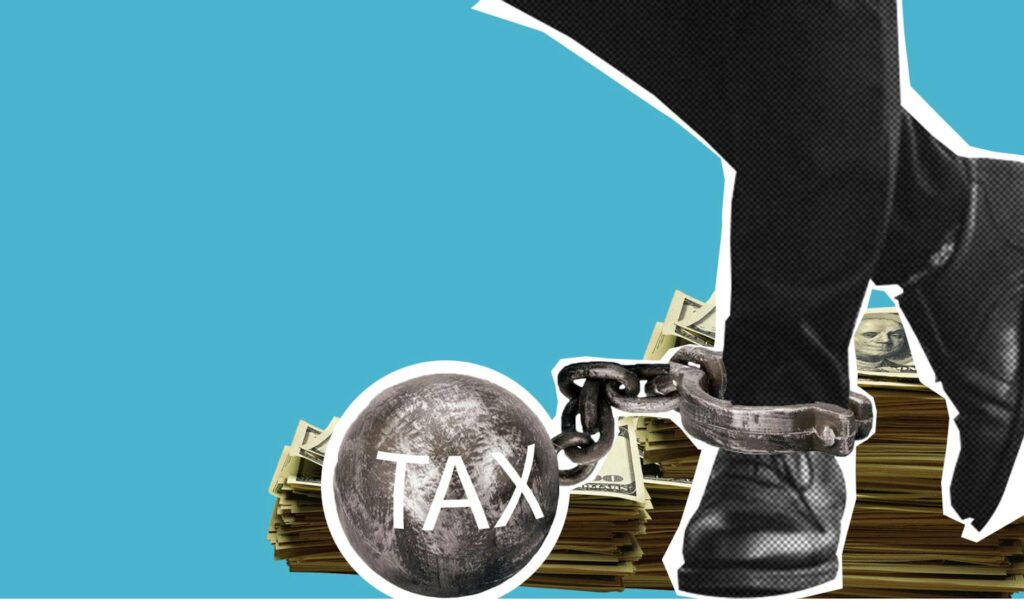
How Debt Inequality Impact Affects Your Finances
Introduction
In a world that often seems divided along lines of wealth and poverty, the issue of debt inequality casts a long shadow over our collective future. Imagine a single mother, working two jobs just to keep her family afloat, drowning under the weight of student loans and credit card debt. Meanwhile, in a nearby neighborhood, a wealthy entrepreneur effortlessly secures loans to expand his business empire, his financial stability a stark contrast to her daily struggle. This article delves into the emotional and tangible impacts of debt inequality, exploring how it shapes our lives, our communities, and our economies.
What Is Debt Inequality Impact?
Debt inequality refers to the uneven distribution of debt burdens among different socioeconomic groups. While some can access low-interest loans and favorable repayment terms, others are trapped in cycles of high-interest debt that seem insurmountable. This disparity isn’t just a financial statistic; it’s a lived reality for millions. For those struggling with overwhelming debt, every payment made feels like a drop in an ocean of financial despair, while others navigate financial waters with ease, their privilege often invisible to those who are drowning.
Why It Matters
Understanding debt inequality is crucial because it reveals the underlying dynamics of our economy. When debt disproportionately affects those already marginalized, it perpetuates cycles of poverty. Consider the emotional toll this takes: families living paycheck to paycheck, constantly anxious about unexpected expenses, and children who grow up in environments where financial insecurity is the norm. The stress and anxiety of living under such conditions can lead to a host of mental health issues, creating a vicious cycle that makes it even harder to escape the grips of debt.
Key Facts and Statistics
The statistics surrounding debt inequality are staggering. According to recent studies, nearly 44% of Americans cannot cover a $400 emergency expense without borrowing or selling something. Meanwhile, the wealthiest 10% of households hold about 70% of all financial assets, allowing them to leverage their wealth to secure minimal interest rates on loans. In contrast, those in lower-income brackets often face exorbitant interest rates that compound their financial struggles. These numbers aren’t just facts; they represent real people, families, and dreams deferred.
Impact on Wealth and Poverty
Debt inequality doesn’t just affect individuals; it reverberates through society, impacting wealth accumulation and economic mobility. Imagine a young couple, eager to buy their first home, but their student debt keeps them from qualifying for a mortgage. Their dreams are dashed, and they are forced to rent, missing out on the opportunity to build equity. In contrast, a wealthy family secures favorable financing for their second or third home, further expanding their wealth.
The emotional ramifications are profound. The couple feels defeated and trapped, while the wealthy family continues to thrive, reinforcing a system where the rich get richer and the poor become increasingly marginalized. This disparity extends to education, healthcare, and even social mobility, where the consequences of debt inequality manifest in every aspect of life.
Real World Examples
Real stories paint a vivid picture of the impact of debt inequality. Take Sarah, a bright college graduate who graduated with a mountain of student loans. Despite her hard work and determination, she finds herself unable to afford a home in her city, forced to live with her parents at age 30. The shame and frustration weigh heavily on her, and she feels like she’s letting everyone down. On the other hand, her high school classmate, now a successful entrepreneur, easily secures funding to expand his business, a privilege that Sarah can only dream of.
Then there’s James, a father of three, who fell into the trap of payday loans after a medical emergency. The anxiety of juggling payments takes a toll on his marriage and health. Each month, he feels the crushing pressure of financial instability, while his wealthier neighbor invests in his children’s education, ensuring they never face the same struggles. The gulf between their lives grows wider, deepening the emotional scars of debt inequality.
Advantages and Disadvantages
The advantages of being on the favorable side of debt inequality are clear: access to low-interest loans, opportunities for investment, and overall financial security. However, for those entrenched in debt, the disadvantages are monumental. The stress of dealing with high-interest rates, constant financial anxiety, and the inability to invest in one’s future can lead to despair and hopelessness. This emotional burden can lead to physical health issues, strained relationships, and a lost sense of self-worth.
The emotional impacts often go unnoticed by those who have never experienced such struggles. The sense of isolation and shame can be overwhelming, making it difficult to reach out for help or even to believe that a way out exists.
Future Trends
As we look ahead, the trends surrounding debt inequality are concerning. The gap is expected to widen, especially as economic challenges arise. With rising costs of living, stagnant wages, and an ever-increasing burden of student loans, the emotional toll will likely deepen for those already struggling. On the other hand, wealth accumulation among the already affluent continues to grow, creating a wider chasm.
The emotional landscape of our future can be daunting. As debt becomes an even heavier burden for the average person, the sense of hopelessness may increase. If left unaddressed, this crisis could lead to significant social unrest and a breakdown of community bonds, as the most vulnerable among us feel increasingly marginalized and angry.
Frequently Asked Questions
What can individuals do about debt inequality?
Understanding that debt inequality is a systemic issue is the first step. Individuals can advocate for policy changes, support local organizations, and participate in community efforts aimed at financial education and support.
Is debt inequality solely a financial issue?
No, debt inequality is deeply intertwined with emotional and social issues. It affects mental health, relationships, and overall quality of life, creating a cycle that is difficult to break.
How does debt impact children?
Children in families struggling with debt often bear the emotional weight of financial instability. They may miss opportunities for education, extracurricular activities, and experiences that foster growth and development, leading to a cycle of poverty that can last generations.
What role does education play in debt inequality?
Education can be a double-edged sword. While it can provide opportunities for better-paying jobs, the burden of student debt can also trap individuals in a cycle of inequality. Without access to affordable education, many are left struggling to break free.
Conclusion
Debt inequality is not just a financial statistic; it’s a human story filled with struggle, resilience, and often heartbreak. For every person like Sarah or James, there are countless others facing similar challenges, their dreams stifled by the weight of debt. As we navigate an increasingly divided world, it’s crucial to acknowledge the emotional and social ramifications of debt inequality. Only by recognizing these stories can we begin to bridge the gap and foster a more equitable future for all.