
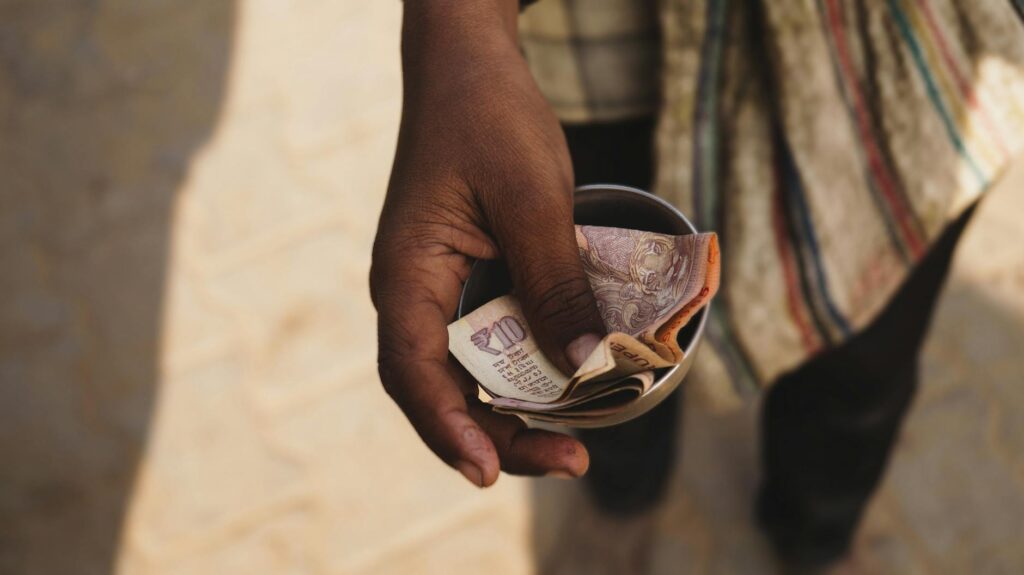
Everything You Need to Know About Wealth vs. Poverty Struggles
Introduction
In a world that often feels like a grand stage for wealth and privilege, it’s easy to overlook the daily battles faced by those in the grip of poverty. On one side, the glittering towers of the affluent gleam under the sun, while on the other, shadows loom over the lives of countless families struggling to make ends meet. This article delves into the emotional narratives woven into the fabric of wealth versus poverty, exploring the heart-wrenching realities of those caught in this relentless struggle.
What Is Wealth vs. Poverty Struggles?
Wealth and poverty are not merely economic terms; they are intertwined narratives that define the human experience. Wealth represents security, opportunity, and the freedom to choose, while poverty embodies hardship, despair, and often a sense of hopelessness. The struggles that arise from this divide are not just about numbers; they are about people—individuals and families who face the repercussions of policies, economic downturns, and systemic inequalities that shape their lives.
Imagine a single mother, Maria, juggling multiple jobs, each with low pay and no benefits. Her dreams of providing her children with a better life feel increasingly out of reach. Meanwhile, her wealthy neighbor, John, enjoys the luxury of selecting between vacations and investments, never worrying about how to afford the essentials. The stark contrast in their lives highlights the emotional weight of wealth versus poverty struggles.
Why It Matters
Understanding wealth and poverty struggles goes beyond statistics; it taps into the core of human dignity and aspiration. When we acknowledge these struggles, we begin to empathize with those who face obstacles we may never encounter. It matters because it influences policies, social justice movements, and ultimately, how we treat each other as a society. The gap between rich and poor isn’t just a statistic; it represents lives lived in fear, hope, and sometimes despair.
Consider the stories of those who have risen from poverty only to find themselves back in its grasp due to unforeseen circumstances—a medical emergency, a job loss, or an economic downturn. Each story is a testament to the fragility of financial stability and the emotional toll it takes on individuals and families.
Key Facts and Statistics
While this article focuses on the emotional narratives, it’s essential to acknowledge the stark facts. According to reports, the richest 1% of the global population holds more than 40% of the world’s wealth, while nearly 700 million people live on less than $1.90 a day. This staggering inequality continues to grow, with the wealth of billionaires increasing exponentially, even amid global crises.
These statistics are not just numbers; they represent real people. They reflect the pain of a father who cannot afford to send his child to school, the anguish of a family forced to choose between food and rent, and the despair of seniors living in poverty after a lifetime of hard work.
Impact on Wealth and Poverty
The emotional impact of wealth disparity ripples through families and communities like a stone thrown into a pond. Those living in poverty often face a barrage of stressors—food insecurity, unstable housing, and lack of access to healthcare. Each day is a battle, and the weight of these struggles can lead to mental health issues, creating a cycle that is difficult to escape.
On the flip side, wealth can insulate individuals from these struggles. The affluent have access to resources that can safeguard their well-being—quality healthcare, education, and investment opportunities. Yet, this insulation can lead to a disconnect from the realities faced by those living in poverty, fostering a lack of empathy and understanding.
Imagine a wealthy entrepreneur whose biggest worry is the next business venture, while the single parent down the street lies awake at night, anxious about how to afford groceries for the week. This emotional chasm can create societal divides that fuel resentment and misunderstanding.
Real World Examples
Consider the story of David, a young man who grew up in a low-income neighborhood. His dreams of becoming a doctor were dashed when he couldn’t afford the application fees for college. Meanwhile, his childhood friend, Lily, who grew up in a wealthy family, received guidance, mentorship, and financial support, paving her way to medical school. Their paths diverged not because of talent or ambition but because of the circumstances of their birth.
Another poignant example is that of Sarah, a mother of two who lost her job during an economic downturn. With no savings to fall back on, she faced eviction. As she navigated the bureaucracy of social services, she encountered stigmatization and long wait times, adding to her stress. In contrast, her affluent neighbor, who faced a similar job loss, easily transitioned to a new opportunity, thanks to a robust network of connections.
These stories highlight the stark differences in experiences based on wealth and privilege, emphasizing the emotional toll of poverty and the ease with which wealth can shield one from hardship.
Advantages and Disadvantages
The advantages of wealth are clear: financial security, access to opportunities, and a safety net that can cushion life’s unexpected blows. However, the disadvantages often go unnoticed. Wealth can create isolation, disconnect, and a lack of understanding of the struggles faced by others. The affluent may find themselves trapped in a bubble, unable to empathize with those who live on the brink of survival.
Conversely, while poverty brings its own set of challenges, it can foster resilience, community, and a profound appreciation for the little things. Many individuals who have faced hardship become advocates for change, using their experiences to inspire others and challenge systemic inequalities. The emotional strength built through adversity can lead to powerful movements for social justice and change.
Future Trends
As we look to the future, the emotional landscape of wealth versus poverty struggles is likely to evolve. Climate change, technological advancements, and economic fluctuations will continue to shape the divide. The rise of automation threatens to displace low-wage workers, while the wealth of the elite continues to grow.
In this changing landscape, it is crucial that we foster empathy and understanding. Building bridges between communities can help create solutions that address the root causes of poverty. Initiatives focused on education, healthcare access, and economic opportunities can help level the playing field.
Imagine a world where the wealthy use their resources to uplift those in poverty, creating partnerships that benefit both. Such a future is within reach if we commit to understanding the emotional narratives that underpin our society.
Frequently Asked Questions
What are the primary causes of wealth inequality?
Wealth inequality is driven by various factors, including systemic racism, unequal access to education, and disparities in job opportunities. Economic policies and market forces also play a significant role in exacerbating these issues.
How does poverty affect mental health?
Living in poverty can lead to chronic stress, anxiety, and depression. The constant worry about basic needs and the stigma associated with poverty can take a profound toll on mental well-being.
Can wealth be redistributed effectively?
Redistribution can be complex, but initiatives like progressive taxation, social programs, and community investment can help bridge the gap between rich and poor. Success depends on public support and political will.
What role does education play in breaking the cycle of poverty?
Education is a powerful tool for breaking the cycle of poverty, providing individuals with the skills and knowledge needed to access better job opportunities. However, systemic barriers often hinder access to quality education for low-income families.
How can individuals contribute to reducing wealth inequality?
Individuals can contribute by advocating for policies that promote social justice, supporting local businesses, volunteering, and donating to organizations that focus on alleviating poverty and promoting equity.
Conclusion
The struggle between wealth and poverty is more than an economic narrative; it is a deeply emotional and human experience. By understanding the stories of those living on either side of this divide, we can begin to foster empathy and inspire action. It’s time to acknowledge these struggles, advocate for change, and work towards a future where everyone has the opportunity to thrive, regardless of their starting point. In doing so, we honor the resilience of the human spirit and the hope that drives us all.