
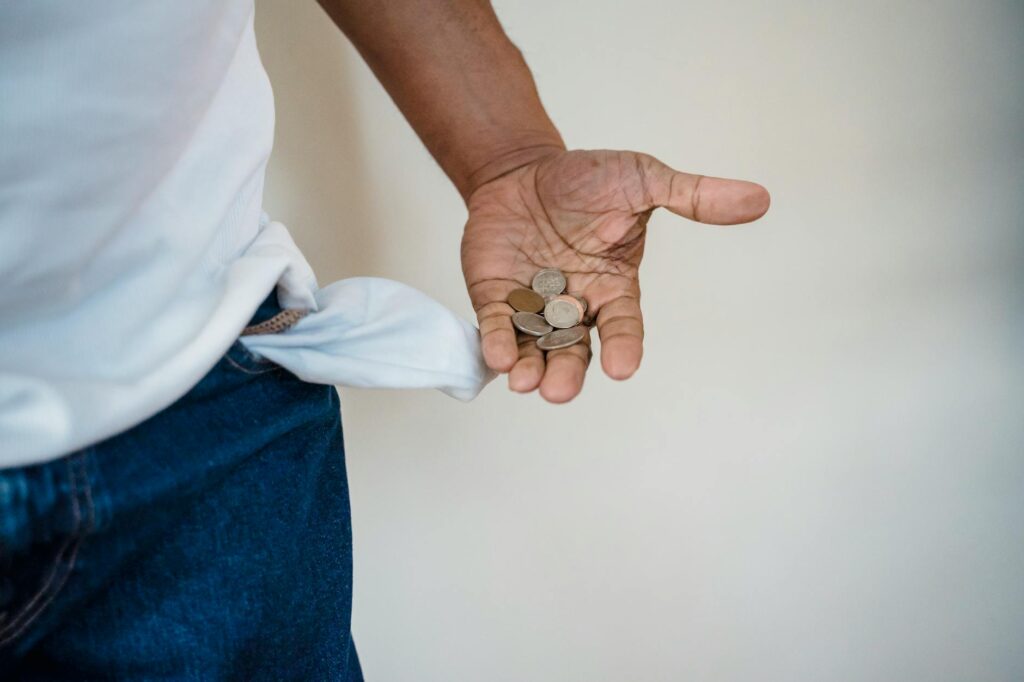
Economic Hardship Narratives Explained for Beginners
Introduction
In a world where wealth accumulation seems to be a game played only by a select few, the emotional toll of economic hardship is often overlooked. Families are torn apart, dreams are shattered, and the daily struggle for survival becomes a relentless cycle. This article explores the narratives of economic hardship, shining a light on the human stories behind the statistics, and delving into the emotional landscape that defines life in poverty.
What Is Economic Hardship Narratives?
Economic hardship narratives are the personal stories that encapsulate the struggles faced by individuals and families living in poverty. These narratives often reveal the complex interplay of systemic inequality, lack of opportunities, and the ever-present shadow of debt. They are more than just statistics; they are the lived experiences of people who wake up each day unsure if they can make ends meet.
Imagine a mother who works two jobs just to put food on the table, yet still finds herself choosing between paying the electric bill and buying her child new shoes for school. This is not just a story; it is a reality for millions, and it highlights the stark divide between the aspirations of the poor and the realities they face.
Why It Matters
Understanding economic hardship narratives is crucial for several reasons. First, they humanize the statistics we often see on charts and reports. Behind every number, there is a story—stories of perseverance, resilience, and heartbreak. These narratives serve as a wake-up call to society, urging us to empathize and take action.
Second, they challenge the perception that poverty is a personal failure. It’s easy to blame individuals for their circumstances, but the truth is that systemic barriers often dictate opportunities. The rich continue to accumulate wealth, while the poor remain trapped in an unending cycle of hardship. The emotional weight of these stories reveals the injustice of a system that rewards the affluent while punishing the vulnerable.
Key Facts and Statistics
To grasp the magnitude of economic hardship, consider these stark statistics:
- According to the World Bank, over 700 million people live on less than $1.90 a day, the international poverty line.
- A report from Oxfam revealed that the world’s richest 1% have more wealth than the rest of the population combined.
- The U.S. Census Bureau reported that more than 34 million Americans lived in poverty in 2020, a reality exacerbated by the COVID-19 pandemic.
These figures are not just numbers; they represent lives filled with struggle. Each statistic carries a weight of emotional pain, reflecting dreams deferred and futures uncertain.
Impact on Wealth and Poverty
The emotional impact of economic hardship extends beyond the individual; it affects entire communities and future generations. Children raised in impoverished neighborhoods often attend underfunded schools, limiting their opportunities for a better future. The cycle of poverty becomes a familial inheritance, passed down like an unwanted heirloom.
The stress of financial insecurity can lead to mental health issues, further entrenching individuals in their circumstances. According to research, those living in poverty are significantly more likely to experience anxiety and depression. Imagine a father who, despite his best efforts, feels he’s failing his children—his sleepless nights filled with worry about how to provide for them.
Real World Examples
The Story of Maria
Maria, a single mother of three, works tirelessly as a waitress to provide for her family. Despite her long hours, she struggles to afford basic necessities. One evening, after a particularly grueling shift, she finds herself in tears at the kitchen table, staring at an empty fridge. The weight of her financial burden feels insurmountable, and she wonders how long she can keep pushing forward. Maria’s story is not unique; it resonates with countless others facing similar struggles.
The Journey of David
David, a recent college graduate, enters the job market with dreams of a brighter future. However, he quickly discovers that his degree offers little protection against the harsh realities of student debt and a competitive job landscape. With bills piling up and no job in sight, David feels the suffocating grip of despair. The emotional fallout of his situation leads him to question his worth and purpose, illustrating how economic hardship can distort one’s self-image.
Advantages and Disadvantages
Advantages
1. Awareness and Advocacy: Economic hardship narratives can foster awareness and empathy, encouraging discussions around social justice and change.
2. Community Building: Sharing these stories can create solidarity among individuals facing similar struggles, providing emotional support and a sense of belonging.
Disadvantages
1. Stigmatization: Individuals sharing their narratives may face judgment or ridicule, which can further alienate them from society.
2. Over-Simplification: While personal stories are powerful, they can sometimes reduce complex systemic issues to mere anecdotes, overshadowing the broader context of inequality.
Future Trends
As economic disparities widen, the narratives of hardship will likely become even more pronounced. The pandemic has exposed vulnerabilities in our economic systems, prompting discussions on universal basic income and social safety nets. However, the question remains: Will these discussions translate into meaningful change?
The emotional weight of these stories can serve as a powerful catalyst for action. As more individuals share their experiences, the hope is that society will be compelled to confront the uncomfortable truths of wealth inequality and the human cost of economic policies that favor the affluent.
Frequently Asked Questions
How Can I Help Address Economic Hardship Narratives?
One way to contribute is by supporting local organizations that provide resources and advocacy for those in need. Additionally, amplifying the voices of those affected by economic hardship can help bring attention to these important issues.
Are Economic Hardship Narratives Always Negative?
While many narratives depict struggle, they can also reflect resilience and hope. Stories of individuals overcoming adversity can inspire others and highlight the strength found in community support.
What Role Does Education Play in Economic Hardship?
Education can be a powerful tool for breaking the cycle of poverty. However, access to quality education is often limited for those in economically disadvantaged situations, perpetuating the cycle of hardship.
Conclusion
Economic hardship narratives are more than just stories; they are a reflection of our shared humanity. They illuminate the often-unseen struggles of individuals and families navigating the harsh realities of poverty. By understanding these narratives, we can foster empathy, challenge the status quo, and work towards a more equitable future for all. The emotional weight of these stories is a call to action, urging us to confront the disparities that continue to shape our world.