
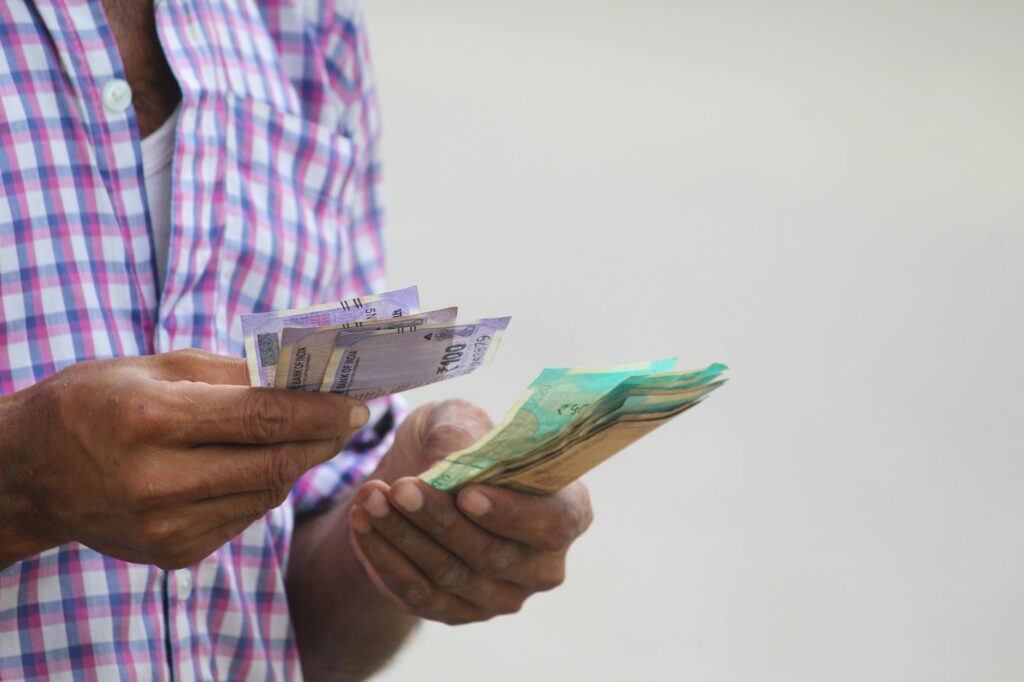
Economic Disparities Statistics and Trends
Introduction
In a world that prides itself on progress and innovation, the stark reality of economic disparities looms large. While some live in opulence, enjoying luxuries that many can only dream of, others battle the relentless grip of poverty. The juxtaposition of wealth and deprivation is not just a statistic; it’s a narrative filled with human emotion and struggle. As we delve deeper into the statistics and trends surrounding economic disparities, we uncover stories that reveal the heart-wrenching consequences of financial inequality.
What Is Economic Disparities?
Economic disparities refer to the unequal distribution of wealth, income, and resources among individuals and groups. This inequity manifests in various forms, from the difference in earnings and job opportunities to access to education and healthcare. It’s a cycle that entraps individuals and families, often spanning generations. The emotional weight of this inequality is palpable, as dreams fade and aspirations crumble under the harsh reality of financial limitations.
Why It Matters
The significance of understanding economic disparities lies in its profound impact on society. When a small percentage of the population controls the majority of wealth, the social fabric begins to fray. Relationships dissolve, communities weaken, and hope diminishes. Millions struggle to make ends meet, while a select few build empires of wealth. This imbalance breeds resentment, anger, and a sense of hopelessness that seeps into the very core of our communities. We’re reminded daily that while some celebrate their fortunes, others face the gut-wrenching reality of survival.
Key Facts and Statistics
Statistics paint a troubling picture of economic disparities. According to the World Inequality Report, the richest 10% of the global population now holds over 52% of total wealth, while the bottom 50% owns less than 1%. In the United States, the top 1% has seen their wealth increase by more than 600% over the past four decades, while wages for the middle class have stagnated.
These numbers are not mere figures; they represent real people—parents working two jobs just to provide basic necessities for their children, students burdened with crippling student debt, and families living in fear of eviction. Each statistic carries with it the weight of dreams deferred, ambitions crushed, and lives forever altered.
Impact on Wealth and Poverty
The impact of economic disparities extends beyond individual suffering; it reverberates through entire communities and nations. Areas with high levels of poverty often struggle with inadequate healthcare, subpar education, and limited access to essential services. The emotional toll is immense, as parents watch their children grow up in environments devoid of opportunity, fighting against the odds to secure a brighter future.
The stark contrast between wealth and poverty creates a chasm that seems insurmountable. When one segment of the population thrives, it often comes at the expense of another. This creates a cycle of despair, where the poor become increasingly marginalized, and the rich fortify their positions. The pain of watching the wealthy thrive while feeling trapped in a never-ending struggle is a reality many face daily.
Real World Examples
Consider the story of Maria, a single mother of two living in a low-income neighborhood. Each month, she juggles multiple jobs to provide for her children. Despite her relentless efforts, she often finds herself choosing between groceries and rent. Meanwhile, just a few miles away, a wealthy entrepreneur celebrates his latest business venture, oblivious to the struggles of families like Maria’s. The emotional chasm between their lives is unfathomable; one is filled with hope, while the other is shrouded in despair.
Then there’s the tale of James, a recent college graduate weighed down by student debt. He dreams of starting his own business but finds himself trapped in a cycle of making minimum payments on loans that seem to grow with each passing year. The rich continue to invest in their futures, while James feels the weight of his financial shackles. His dreams of entrepreneurship fade as he grapples with the reality of his economic situation.
These stories are not unique; they echo the sentiments of countless individuals facing the harsh realities of economic disparities. Behind every statistic lies a human story, a heartache, and a yearning for change.
Advantages and Disadvantages
While some argue that economic disparities can drive innovation, fostering competition among the wealthy, the disadvantages far outweigh the perceived benefits. The advantages enjoyed by the rich often stem from systemic inequities that favor their continued success. Access to quality education, networking opportunities, and capital for investment create an environment where the rich get richer, while the poor remain trapped in a cycle of poverty.
The emotional toll of these disparities cannot be understated. Many feel a sense of hopelessness, believing they’ll never break free from the chains of economic inequality. The rich may leverage their advantages to succeed, but the poor are often left feeling powerless, as their hard work and determination yield little reward.
Future Trends
As we look to the future, the trends in economic disparities remain concerning. The gap between the rich and poor continues to widen, exacerbated by global events like the COVID-19 pandemic. Millions lost their jobs, while a select few billionaires saw their fortunes soar. This growing divide threatens social stability and cohesion, raising questions about the sustainability of our economic systems.
The emotional ramifications of these trends are profound. As communities fracture and trust erodes, the fabric of society becomes increasingly fragile. The struggle for survival becomes a daily battle, with many losing hope for a better tomorrow. The stories of individuals facing the weight of economic disparities serve as a poignant reminder of the urgent need for change.
Frequently Asked Questions
Q: What are the primary causes of economic disparities?
A: Economic disparities arise from various factors, including systemic inequalities, access to education, healthcare, and employment opportunities, as well as inherited wealth.
Q: How do economic disparities affect mental health?
A: The stress and anxiety stemming from financial instability can significantly impact mental health, leading to feelings of hopelessness, depression, and social isolation.
Q: Can economic disparities be addressed?
A: While challenging, addressing economic disparities requires concerted efforts from governments, communities, and individuals to create equitable systems that provide opportunities for all.
Q: What role does education play in reducing economic disparities?
A: Education can serve as a powerful equalizer, providing individuals with the skills and knowledge needed to access better job opportunities and improve their financial situations.
—
In a world where the divide between the rich and poor seems to grow wider with each passing day, the need to confront economic disparities has never been more urgent. The emotional stories of individuals like Maria and James remind us that behind every statistic lies a human experience—a plea for understanding, compassion, and change. It is through these narratives that we can begin to envision a more equitable future, one where every individual has the opportunity to thrive, free from the shackles of poverty.