
Debt Narratives of Wealth Struggle: Complete Guide
Introduction
In the world of finance, the term “debt” often evokes images of spreadsheets and balance sheets, but behind the numbers lies a tapestry of human emotions—fear, hope, despair, and resilience. Debt narratives are not merely financial tales; they are poignant stories of individuals caught in a relentless cycle of wealth struggle. As we delve into these narratives, we uncover the stark realities of those who live on the fringes of poverty while witnessing the affluent soar higher, often untouched by the burdens of financial despair.
What Is Debt Narratives of Wealth Struggle?
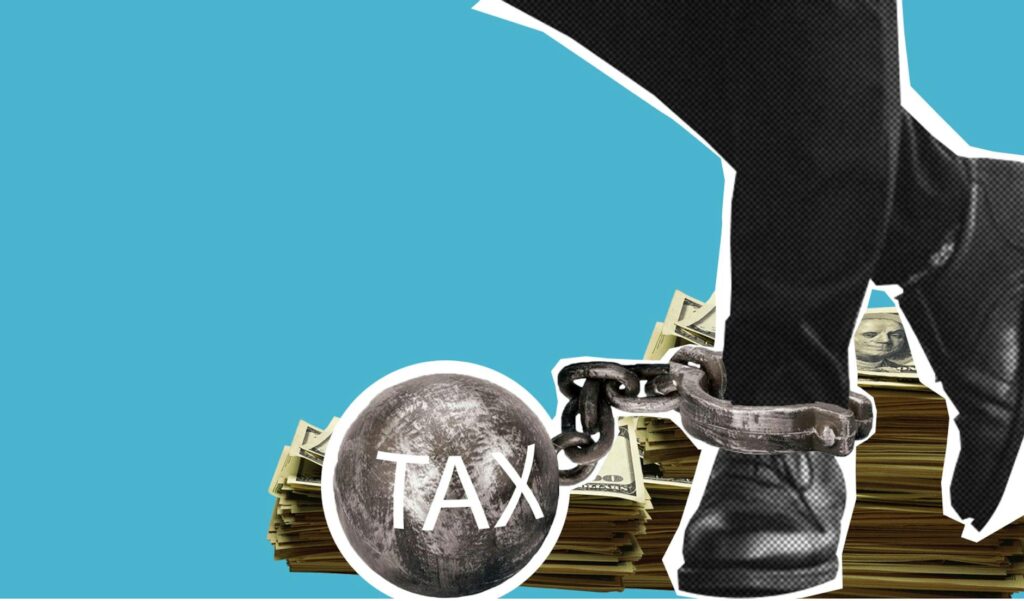
Debt narratives encapsulate the lived experiences of individuals and families grappling with financial hardship. They reveal how debt can transform lives, often entangling the poor in a web of despair while allowing the affluent to thrive. These stories highlight the emotional and psychological toll of financial instability, illustrating how debt can imprison dreams and aspirations. It is a struggle against an invisible enemy that feels insurmountable, leaving individuals feeling hopeless as they watch wealth inequality grow.
Why It Matters
Understanding debt narratives is crucial in recognizing the broader implications of wealth inequality. When one group flourishes while another falters, the fabric of society begins to fray. It matters because these stories humanize statistics, turning cold numbers into warm, relatable experiences. They serve as a mirror reflecting the systemic issues that perpetuate cycles of poverty, forcing us to confront uncomfortable truths about our economic landscape.
Key Facts and Statistics
- Income Disparity: In many countries, the top 1% now owns more wealth than the bottom 50% combined. This staggering statistic underscores the chasm between the rich and the poor.
- Debt Levels: The average American household carries about $155,000 in debt, a number that has skyrocketed over the last two decades, often driven by medical expenses, student loans, and credit cards.
- Mental Health Impact: Studies show that individuals in debt are more likely to experience anxiety and depression, illustrating the emotional burden of financial strain.
- Investment Opportunities: Wealthy individuals can use debt strategically to invest in assets that grow in value.
- Tax Benefits: Certain types of debt offer tax advantages, further enriching the affluent.
- Cycle of Debt: High-interest loans become traps, making it nearly impossible to escape.
- Mental Health Strain: The emotional toll of financial stress can lead to long-term mental health issues.
These numbers reveal a harsh reality: that while the rich accumulate wealth, the poor often drown in debt, a cycle that feels increasingly impossible to escape.
Impact on Wealth and Poverty
The impact of debt on wealth and poverty is profound. For those in poverty, debt often becomes a lifeline that quickly transforms into a noose. Consider Maria, a single mother working two jobs to support her children. When her car breaks down, she has no choice but to take out a high-interest loan. What starts as a solution quickly spirals into a nightmare. The weight of debt compounds, and soon, she finds herself unable to make payments, leading to collections, further financial strain, and an ever-deepening sense of hopelessness.
In contrast, the wealthy often view debt as a tool—leveraging it to invest, grow their wealth, and create more opportunities. They navigate their financial landscapes with ease, rarely feeling the crushing weight of financial insecurity. The juxtaposition of these experiences paints a stark picture of an economy rigged in favor of those who already possess wealth.
Real World Examples
The Story of James
James, a college graduate from a modest background, entered the workforce with dreams of success. However, student loans quickly became a burden he couldn’t manage. Each month, his salary barely covered living expenses, let alone the mounting debt. Despite his best efforts, he found himself trapped in a cycle of minimum payments, where interest rates felt like a noose tightening around his aspirations. He worked hard, but each paycheck brought with it a reminder of his limitations, suffocating his dreams.
The Burden of Healthcare
Consider Sarah, a mother of three whose world crumbles when her youngest child falls seriously ill. The medical bills stack up, forcing her to choose between groceries and healthcare. In desperation, she takes on credit card debt, believing she can manage it. But as the months pass, the interest compounds, and her financial situation worsens. Her once-bright future dims, overshadowed by the fear of eviction and the weight of insurmountable debt.
The Luxury of Wealth
Meanwhile, let’s look at Ethan, a tech entrepreneur who, despite facing financial challenges early on, leveraged his skills and connections to create a thriving business. His access to capital allowed him to invest in opportunities that furthered his wealth. While Sarah and James struggle, Ethan’s story serves as a reminder of how privilege can create pathways that others can only dream of.
Advantages and Disadvantages
Debt can serve as both a lifeline and a curse, depending on one’s socioeconomic status. For the wealthy, it can be leveraged for investment, leading to greater wealth accumulation. However, for the poor, it often leads to a cycle of despair and hopelessness.
Advantages for the Wealthy
Disadvantages for the Poor
Future Trends
As we look ahead, the narratives of debt struggle may evolve but will likely remain a significant part of our economic landscape. With rising living costs, stagnant wages, and increasing reliance on credit, the divide between the wealthy and the poor may deepen. As more individuals find themselves in precarious financial situations, the stories of struggle will become even more prevalent.
The emotional weight of these narratives serves as a call to action. It is vital for policymakers, communities, and individuals to listen, empathize, and strive for systemic changes that can alleviate the burdens of debt for those caught in its grip.
Frequently Asked Questions
What can be done to alleviate the burden of debt for low-income individuals?
Addressing the root causes of poverty, including access to education and healthcare, can create pathways for financial stability. Community programs offering financial literacy and debt counseling can also provide valuable support.
How can awareness of debt narratives change societal perceptions?
By sharing personal stories, we can humanize the issue of debt, dismantling stereotypes and fostering empathy. This awareness can drive societal change, encouraging policies that address wealth inequality.
Are there any resources available for those struggling with debt?
Various organizations provide assistance, including credit counseling services, legal aid for debt issues, and community programs aimed at financial education. Seeking help is a crucial first step.
How can individuals advocate for change in the system?
Engaging in community discussions, supporting policies that promote economic equality, and sharing personal experiences can amplify the voices of those affected by debt.
As we navigate the complexities of wealth and poverty, let these narratives serve as reminders of our shared humanity. They urge us to confront the uncomfortable truths of our economic systems and inspire us to work towards a more equitable future, where the burden of debt does not dictate the course of one’s life.