
Debt Narratives of Class Struggle: Complete Guide
Introduction
In the quiet hours of the night, when the world is enveloped in darkness, countless individuals sit awake, their minds racing with thoughts of unpaid bills and looming debts. The stress of financial insecurity creates a chasm that separates the lives of the wealthy and the impoverished, a gap that seems to widen with each passing day. This is not merely a tale of numbers; it is a narrative steeped in human emotion, struggle, and the pervasive sense of despair that accompanies debt.
What Is Debt Narratives of Class Struggle?
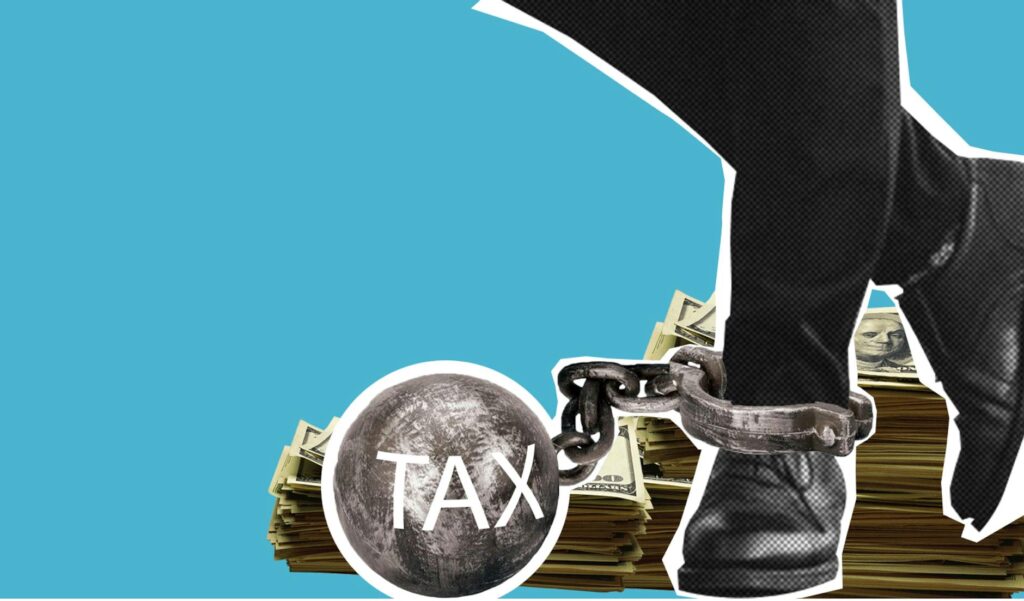
Debt narratives are the personal stories that reflect the broader social and economic realities of class struggle. They encapsulate the experiences of individuals and families navigating the treacherous waters of debt, often shaped by socioeconomic status. For the wealthy, debt might be a tool for investment, a way to leverage opportunities. For the poor, however, it is often a heavy burden, shackling them to a cycle of poverty and despair. This disparity is not just a statistic; it is a lived reality, filled with pain, anxiety, and a sense of helplessness.
Why It Matters
Understanding the emotional weight of debt narratives is crucial. These stories reveal the profound impact of wealth inequality on human lives. They challenge us to confront uncomfortable truths about our society, forcing us to acknowledge that behind every statistic lies a person—a mother crying silently over her child’s tuition fees, a father working multiple jobs to keep the lights on, a young graduate paralyzed by student loans. Recognizing these stories evokes empathy, compelling us to engage with the systemic issues that perpetuate this cycle of debt and struggle.
Key Facts and Statistics
While the emotional narratives are compelling, the statistics paint a stark picture. According to recent reports, nearly 80% of Americans live paycheck to paycheck, with over 40% unable to cover a $400 emergency without borrowing. In contrast, the wealthiest 1% possess more wealth than the bottom 90% combined. These numbers underscore the gravity of the situation—it’s not merely about money; it’s about survival, dignity, and the pursuit of a better life.
Impact on Wealth and Poverty
Debt acts as a cruel equalizer, stripping away aspirations and dreams. For those at the bottom of the economic ladder, debt is often a necessity for survival—medical bills, rent, and everyday expenses can force individuals to take on high-interest loans or credit card debt, plunging them further into financial ruin. The emotional toll is immense; families are torn apart by stress and anxiety, and the hope for a better future fades like a distant dream.
In stark contrast, the wealthy often use debt strategically, allowing them to invest in opportunities that yield high returns. This creates an ever-widening gap between the classes, as the rich become richer and the poor are left to navigate a labyrinth of financial despair. The impact is not just economic; it seeps into the very fabric of society, leading to feelings of isolation, hopelessness, and resignation among the impoverished.
Real World Examples
Consider the story of Sarah, a single mother of two, who juggles multiple jobs just to make ends meet. Despite her tireless efforts, she finds herself drowning in debt due to medical emergencies and unexpected expenses. Each month, she faces the harrowing decision of which bills to pay, a reality that weighs heavily on her shoulders. This is not just about money; it is about the pain of watching her children go without basic necessities, the guilt that gnaws at her when she can’t provide a stable home.
In contrast, take the case of Michael, a successful entrepreneur who leverages debt to expand his business. For him, debt is a catalyst for growth, a means to achieve more. His narrative is one of ambition and success, yet it stands in stark contrast to Sarah’s struggle. The emotional impact of their stories is palpable, revealing the stark divide between the two worlds shaped by their financial circumstances.
Advantages and Disadvantages
The advantages of leveraging debt are clear for those in positions of financial power. It can provide opportunities for investment, growth, and financial freedom. However, for those entrenched in poverty, the disadvantages are overwhelming. High-interest loans and predatory lending practices keep them in a cycle of debt, with little hope of escape. The emotional ramifications are dire—feelings of inadequacy, hopelessness, and despair become the norm.
This dichotomy highlights the moral complexities of wealth and poverty. While the rich capitalize on economic opportunities, the poor are often left to fend for themselves, battling not only financial obstacles but also the emotional scars of their struggles.
Future Trends
As we move into an uncertain future, the narratives of debt and class struggle will likely continue to evolve. Economic instability, rising living costs, and stagnant wages create an environment where the divide between the rich and the poor deepens. The emotional toll of this struggle may lead to increased activism and advocacy, as those who have suffered under the weight of debt seek to challenge the status quo.
Emerging trends in technology and finance—such as the rise of fintech, credit unions, and community lending—offer a glimmer of hope. These initiatives aim to provide more equitable financial solutions, but they must also navigate the emotional landscape of those they seek to help. Understanding the human element of debt will be crucial in shaping a more just and equitable future.
Frequently Asked Questions
What is the emotional impact of debt on individuals?
The emotional impact of debt can be profound, leading to feelings of anxiety, depression, and helplessness. Individuals may experience stress that affects their relationships and overall quality of life.
How can personal stories of debt influence societal change?
Personal stories can humanize the statistics surrounding debt and poverty, fostering empathy and encouraging activism. They highlight systemic issues and inspire individuals and communities to advocate for change.
What role does policy play in addressing wealth inequality?
Policy plays a critical role in shaping economic opportunities. Effective policies can create equitable access to financial resources, reduce predatory lending, and support social safety nets for those struggling with debt.
What can be done to alleviate the burden of debt?
Community support systems, financial education, and access to fair lending options can help alleviate the burden of debt. However, addressing the root causes of wealth inequality is essential for lasting change.
Conclusion
The narratives of debt and class struggle are not just stories; they are cries for help, calls for change, and reflections of our shared humanity. They remind us that behind every number is a person fighting for dignity and a better life. As we navigate the complexities of wealth and poverty, let us not forget the emotional weight of these narratives, for they are the heart of the struggle against inequality. Together, we can create a future where debt no longer defines our worth and where every individual has the opportunity to thrive.