
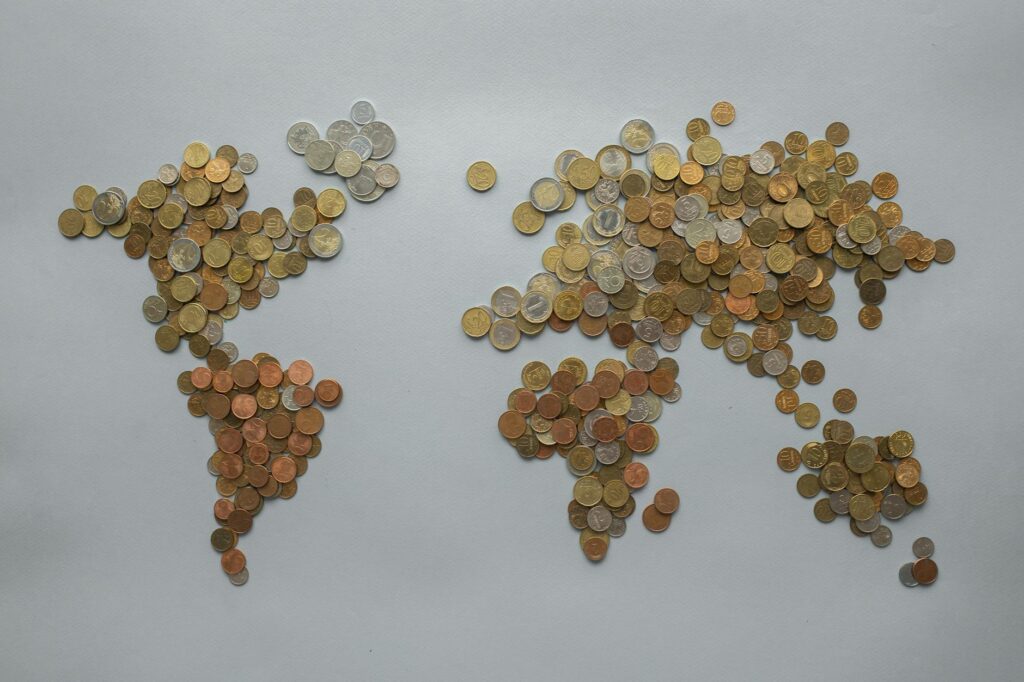
Complete Guide to Wealth Distribution Part 3
Introduction
In a world that often feels divided by wealth, the chasm between the affluent and the impoverished grows wider with each passing year. As we traverse the complexities of wealth distribution, it’s essential to explore not just the numbers, but the very human stories behind them. The lives of individuals caught in the throes of poverty and the burdens of debt often tell a tale of struggle, resilience, and an unyielding spirit. This guide aims to delve into the emotional and moral implications of wealth distribution, revealing how the rich remain insulated in their opulence while the poor wrestle with the harsh realities of life.
What Is Wealth Distribution?
Wealth distribution refers to the way in which wealth is divided among the members of a society. It encompasses the assets, income, and economic resources held by individuals and families. While on the surface, this concept may seem like a dry statistic, it represents the different realities that people experience every day. For some, wealth means the ability to travel the world, while for others, it signifies the daily struggle to put food on the table.
Imagine a single mother working two jobs, exhausted and vulnerable, constantly calculating how to make her paycheck stretch. Meanwhile, her neighbor, a successful entrepreneur, enjoys lavish dinners and vacations without a second thought. This stark contrast paints a picture of wealth distribution that goes beyond mere numbers; it highlights the emotional toll of inequality.
Why It Matters
Understanding wealth distribution matters because it affects our collective well-being and social fabric. The emotional weight borne by those struggling in poverty is immense, as they navigate a system that often feels rigged against them. The disparity fuels feelings of hopelessness and despair, leading to a society where dreams are stifled, and ambitions are crushed under the weight of debt.
Take, for instance, the story of Malik, a brilliant young man from a low-income neighborhood who dreams of becoming a doctor. Despite his intelligence and hard work, his family’s financial struggles mean he cannot afford college. Each rejection letter is a dagger to his aspirations, leaving him feeling as though society has closed its doors on him. Malik’s story is not unique; it is one of many that illustrate the emotional toll of wealth disparity and the barriers it erects.
Key Facts and Statistics
While the emotional narratives are powerful, it’s essential to ground them in reality. According to the Global Wealth Report, the wealthiest 1% of the population holds more than 40% of the world’s total wealth. In contrast, the bottom half of the population shares less than 1%. This staggering statistic reveals an unsettling truth: wealth is not just unevenly distributed; it is concentrated in the hands of a few.
These figures translate into real lives. Consider Sarah, a factory worker whose paycheck barely covers her rent and bills. The cost of living continues to rise, yet her wages remain stagnant. As she watches her neighbors thrive, she feels invisible, an unwelcome reminder of a system that perpetuates inequality. The emotional toll of such statistics is not just a number—it is the lived experience of millions.
Impact on Wealth and Poverty
The emotional impact of wealth distribution extends into the realm of mental health and community stability. When wealth is concentrated, it breeds a sense of hopelessness among those left behind. Families are torn apart by the stress of financial insecurity, leading to increased rates of anxiety and depression. The stories of individuals like Maria, a grandmother working to support her grandchildren on a meager pension, illustrate this reality. Maria’s spirit is eroded each time she has to choose between paying for medication or buying groceries.
Moreover, the ramifications of wealth distribution are often felt in education, health care, and access to opportunities. Children from wealthier families attend well-funded schools, while those from impoverished backgrounds struggle in overcrowded classrooms. This cycle perpetuates a sense of defeat and reinforces the belief that one’s circumstances are unchangeable, further entrenching the divide.
Real World Examples
Real-world examples of wealth distribution reveal the emotional and moral complexities of inequality. Consider the story of James and Emily, two childhood friends who grew up a few blocks apart. James, born into a wealthy family, attended private schools and traveled the world. Emily, on the other hand, watched her parents struggle to keep their home and often went to bed hungry.
Years later, James is a successful business leader, living in a luxurious penthouse, while Emily is still working multiple jobs to make ends meet. Their lives have diverged in ways that reflect the broader societal divide. James may feel a sense of accomplishment, but what about the guilt of knowing that his wealth is built upon a system that leaves friends like Emily behind?
These poignant stories challenge us to confront the morality of wealth distribution. How can we reconcile the success of individuals like James with the suffering of those like Emily? The emotional weight of such questions lingers, serving as a reminder that we are all part of a larger community.
Advantages and Disadvantages
When discussing wealth distribution, it is crucial to consider both advantages and disadvantages. For the wealthy, advantages include access to better education, health care, and investment opportunities. This privilege can create a sense of security and stability, fostering a cycle of wealth that can last generations.
However, the disadvantages of such concentration of wealth are profound. Societies marked by extreme inequality often face social unrest, increased crime rates, and poor health outcomes. The emotional toll is felt not just by those in poverty but also by a society that becomes fractured and divided.
Consider the growing movements for social justice and equity. These movements, driven by the voices of the disenfranchised, challenge the status quo and push for change. The emotional resonance of these movements is palpable, as individuals like Rosa—who has fought tirelessly for her community’s rights—embody the struggle against a system that perpetuates inequality.
Future Trends
As we look to the future, the trends in wealth distribution are concerning. The gap between the rich and the poor continues to widen, and the COVID-19 pandemic has only exacerbated existing inequalities. Many low-income workers found themselves on the front lines, risking their health for minimal pay, while billionaires amassed even more wealth in a time of crisis.
The emotional ramifications of these trends are profound. People like David, who lost his job during the pandemic and now struggles to find work, embody the fragility of economic stability. Each rejection feels like a personal failure, deepening the emotional scars of inequality.
The question of how to address this growing divide looms large. Will we continue down a path that prioritizes the wealthy, or can we come together to build a more equitable society? The answers we seek will shape the emotional landscape for generations to come.
Frequently Asked Questions
What are the main causes of wealth inequality?
Wealth inequality is often driven by factors such as education access, job opportunities, systemic discrimination, and policy decisions that favor the wealthy. These factors create an environment where the rich can accumulate wealth while the poor remain trapped in a cycle of poverty.
How does wealth distribution affect mental health?
The emotional toll of wealth inequality can lead to increased rates of anxiety, depression, and feelings of hopelessness among those in poverty. The stress of financial insecurity can erode mental well-being and contribute to a sense of isolation.
What can be done to address wealth inequality?
Addressing wealth inequality requires a multifaceted approach, including policy changes that promote equitable access to education, health care, and employment opportunities. Grassroots movements and community organizing are essential in advocating for change and amplifying the voices of those affected by inequality.
Why should we care about wealth distribution?
Caring about wealth distribution is vital for fostering a just and equitable society. The emotional and moral implications of inequality affect us all, shaping our communities and influencing our collective future. By addressing these issues, we can strive for a world where opportunities are accessible to everyone.
—
In conclusion, as we reflect on the emotional narratives woven throughout the fabric of wealth distribution, it becomes clear that the stories of individuals—like Malik, Maria, and Emily—are not just statistics; they are cries for justice and understanding. The journey towards a more equitable society is fraught with challenges, but it is a journey worth taking for the sake of our collective humanity.