
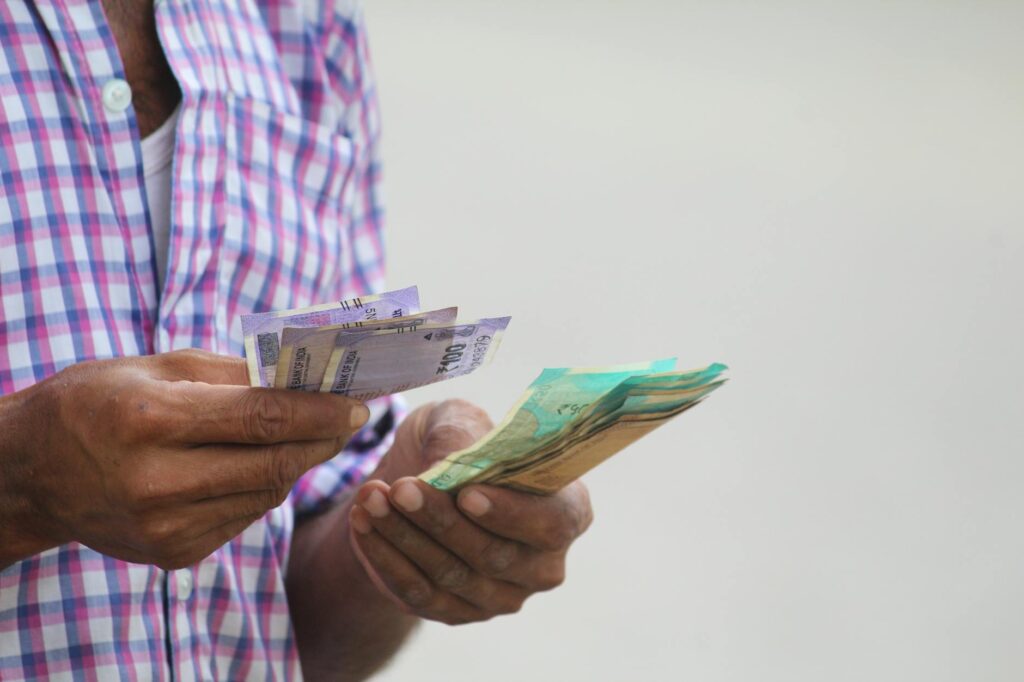
Complete Guide to Wealth Disparities Part 4
Introduction
Wealth disparities are more than just numbers on a page; they represent the stark differences in experiences that shape lives. Each statistic tells a story—of dreams deferred, of families torn apart by financial distress, and of aspirations crushed beneath the weight of inequality. In a world where the rich continue to amass fortunes while the poor struggle to make ends meet, the emotional toll of wealth disparities is felt deeply. This guide seeks to illuminate the human stories behind the numbers, reflecting the profound impact of wealth inequality on individuals and communities.
What Is Wealth Disparities?
Wealth disparities refer to the unequal distribution of assets among individuals or groups in a society. At its core, wealth disparity is a reflection of opportunity—or the lack thereof. Imagine a child born into a wealthy family, whose every need is met, and compare that to another child born in a struggling neighborhood where access to quality education and healthcare is limited. The difference in their starting points is not just financial; it shapes their identities, aspirations, and futures.
When we speak of wealth disparities, we must acknowledge the emotional weight of this divide. For those struggling to get by, the constant worry about bills, healthcare, and job stability can lead to anxiety and despair. The rich may not experience these struggles, but their wealth is often built on systems that perpetuate inequality, leaving many to question the morality of such disparity.
Why It Matters
The implications of wealth disparities extend beyond individual suffering; they shape entire communities and economies. When wealth is concentrated in the hands of a few, social mobility dwindles, leading to a cycle of poverty that is hard to break. Imagine a community where children grow up without the resources to pursue education, where healthcare is a luxury, and where the dream of homeownership seems out of reach. This is not just a personal tragedy; it is a societal failure that affects everyone.
Wealth disparities matter because they create division and resentment. The emotional scars of poverty are often accompanied by feelings of hopelessness and frustration. The rich may live in opulence, but they too are impacted by a society where the gap between classes widens. The fear of social unrest and instability becomes palpable, as the disenfranchised grow weary of their plight.
Key Facts and Statistics
While statistics can feel cold and impersonal, they paint a vivid picture of a troubling reality. According to recent studies, the richest 1% of the population owns more wealth than the bottom 90% combined. This staggering disparity is not merely abstract; it translates into real-life hardships for millions.
Consider a single mother working multiple jobs just to afford rent. Her paycheck barely covers her expenses, leaving little for emergencies, education, or savings. Meanwhile, the wealthy continue to benefit from tax breaks and investment opportunities that seem out of reach for the average person. Each statistic reveals more than just data; it unveils the stories of real people fighting for survival in a system that often feels rigged against them.
Impact on Wealth and Poverty
The emotional repercussions of wealth disparities are profound. Those in poverty often feel invisible, their struggles dismissed or misunderstood. Imagine the weight of living paycheck to paycheck, where a minor car repair can lead to a cascade of financial ruin. The stress of financial uncertainty affects not just individuals but entire families, leading to mental health issues and strained relationships.
In stark contrast, the wealthy experience a different reality. Their lives are filled with options—choices about education, healthcare, and leisure that the poor can only dream of. The emotional gulf between these two worlds can create a chasm of misunderstanding and resentment. The wealthy may not grasp the daily struggles faced by the poor, leading to a lack of empathy and, at times, a sense of entitlement.
Real World Examples
The stories of real people illustrate the devastating effects of wealth disparities. Take Maria, for instance, a mother of three who works tirelessly at a fast-food restaurant. Despite her best efforts, Maria cannot afford to send her children to college. Her dreams for their futures feel increasingly out of reach, as she watches wealth accumulate in the hands of others who seem detached from her reality. Each day brings a new struggle, and with it, a growing sense of defeat.
Contrast that with David, a wealthy entrepreneur who has built a thriving business. While he invests in luxury cars and extravagant vacations, he remains largely unaware of the struggles faced by individuals like Maria. David’s success is often celebrated, but the cost is borne by those left behind, leading to an emotional disconnect that can be difficult to bridge.
Advantages and Disadvantages
Wealth disparities come with both perceived advantages and glaring disadvantages. For the wealthy, there are obvious benefits: financial security, access to quality education, and the ability to influence political decisions. However, the emotional toll of living in a bubble can lead to isolation and a lack of understanding of the struggles faced by the less fortunate.
On the other hand, those in poverty face a multitude of disadvantages: limited access to healthcare, education, and social mobility. The struggle for basic needs takes an emotional toll, leaving many feeling defeated and hopeless. Yet, amidst these challenges, resilience often shines through. Families find strength in community, and individuals fight for change, igniting movements that challenge the status quo.
Future Trends
As society grapples with the implications of wealth disparities, there are signs of both hope and concern. Movements advocating for economic justice are gaining momentum, with individuals demanding change and a fairer distribution of resources. However, the road ahead is fraught with challenges. The wealthy often possess the means to maintain their status, creating a sense of inertia that can be difficult to overcome.
The future may hold a reckoning—a moment where society must confront the emotional realities of wealth disparities head-on. It is a time for open dialogue, for listening to the stories of those impacted by inequality, and for fostering empathy across divides. Only by acknowledging the emotional weight of these disparities can we begin to forge a path toward a more equitable future.
Frequently Asked Questions
What is the emotional impact of wealth disparities?
Wealth disparities create a profound emotional toll on individuals and communities, leading to feelings of hopelessness, frustration, and isolation among those in poverty, while fostering a lack of empathy and understanding among the wealthy.
How do wealth disparities affect social mobility?
Wealth disparities create barriers to social mobility, making it difficult for individuals from low-income backgrounds to access quality education, healthcare, and job opportunities, perpetuating cycles of poverty.
Are there movements addressing wealth disparities?
Yes, various movements focus on economic justice and wealth redistribution, advocating for policies that aim to level the playing field and address systemic inequalities.
How can society address wealth disparities?
Addressing wealth disparities requires open dialogue, policy changes, and a commitment to fostering empathy. It involves listening to the voices of those affected by inequality and working collectively towards a more equitable future.
—
In conclusion, the emotional landscape of wealth disparities is complex, filled with stories of struggle, resilience, and hope. As we navigate these disparities, we must remember that behind every statistic lies a human experience, urging us to act with compassion and a commitment to change.