
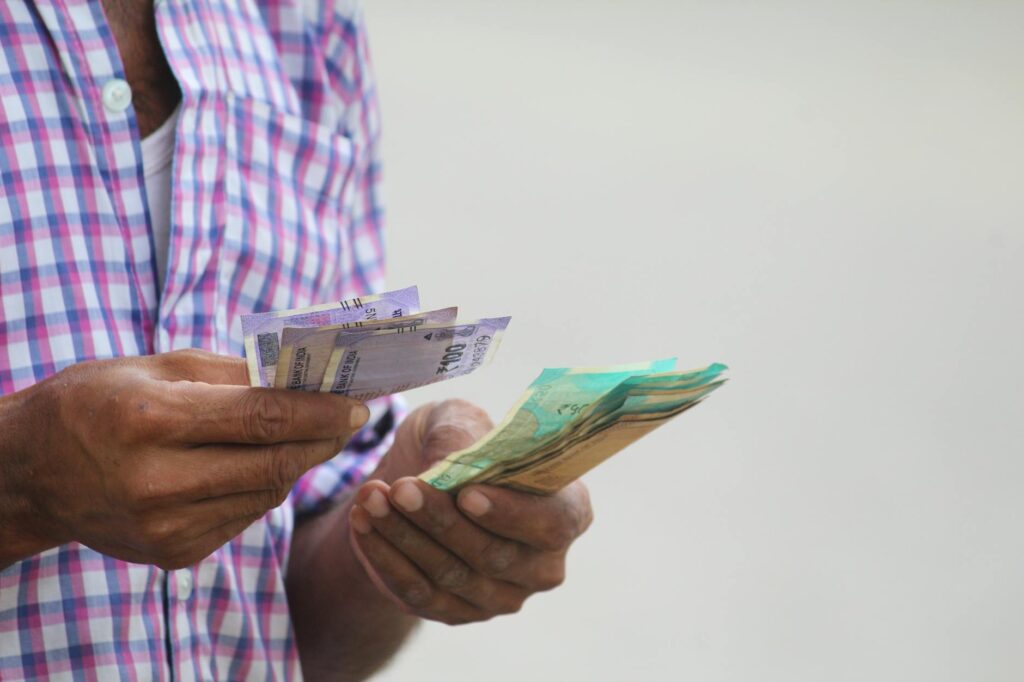
Complete Guide to Economic Disparities Part 3
Introduction
The stark divide between the affluent and the impoverished has become an undeniable reality, shaping the lives of millions across the globe. It is a chasm filled with heart-wrenching stories of struggle, resilience, and, often, despair. As we delve into the depths of economic disparities, we will explore how this inequality manifests in everyday lives, leaving indelible marks on families, communities, and entire generations. These stories are not mere statistics; they are the very essence of human experience, showcasing the emotional toll of debt and insecurity that many endure.
What Is Economic Disparities?
Economic disparities refer to the uneven distribution of wealth and resources within a society. This inequality can be seen in various forms: income gaps, access to education, healthcare, and even opportunities for advancement. It is not just a matter of numbers; it is the pain of a single mother juggling two jobs while her children go to bed hungry, or the anxiety of a college graduate drowning in student debt, unable to find work in their chosen field. Economic disparities are the silent chains that bind individuals to their circumstances, often for generations.
Why It Matters
Understanding economic disparities is crucial because they lay the foundation for social injustice and unrest. These disparities affect not only the individuals directly involved but also the fabric of society as a whole. When a significant portion of the population struggles to meet basic needs, the entire community suffers. Mental health issues, crime rates, and family dynamics are all affected by the weight of economic inequality. The stories of those living on the brink are not just anecdotes; they are cries for empathy and change.
Key Facts and Statistics
While numbers often fail to convey the human experience behind economic disparities, they still paint a sobering picture. According to the World Bank, nearly 10% of the world’s population lives on less than $1.90 a day. In contrast, the top 1% of earners possess more wealth than the bottom 90% combined. These statistics reflect a systemic issue that perpetuates poverty and stifles hope. Each percentage point represents not just wealth but dreams deferred, opportunities lost, and lives diminished.
Impact on Wealth and Poverty
The impact of economic disparities is felt acutely in the realm of wealth and poverty. Imagine a child born into a wealthy family, where education is a given, healthcare is accessible, and opportunities abound. Now picture another child born into a struggling household, where every dollar is a battle and dreams of college feel like distant fantasies. The inequality faced by these two children will follow them into adulthood, shaping their paths in ways that are often insurmountable.
Consider the story of Maria, a young woman who worked tirelessly to secure a scholarship for college. Despite her determination and hard work, she graduated with a mountain of debt, unable to find a job that paid even close to what she owed. Meanwhile, her peers from wealthier backgrounds landed lucrative positions through family connections and internships. Maria’s dreams began to crumble under the weight of her financial burden, highlighting the cruel reality of economic disparities.
Real World Examples
Economic disparities present themselves in real, tangible ways that resonate deeply with human emotions. Take the case of John, a factory worker in a small town. His job, once a source of pride, has become a daily reminder of the fragility of his existence. As automation looms on the horizon, John fears for his family’s future. He recalls the days of stability when his paycheck could cover the mortgage, groceries, and even a family vacation. Now, with bills piling up and the threat of job loss looming, every day feels like a battle for survival.
On the flip side, consider the life of Anna, a tech entrepreneur who navigates the world of venture capital with relative ease. Her struggles involve securing the next round of funding, but they pale in comparison to John’s fight to keep food on the table. While Anna’s challenges are valid, they exist within a framework of privilege that allows her to pivot, innovate, and ultimately succeed. The juxtaposition of their lives underscores the emotional weight of economic disparities.
Advantages and Disadvantages
The advantages of wealth primarily accrue to those already in possession of resources. Access to quality education, healthcare, and networks of influence creates a feedback loop that perpetuates affluence. However, wealth can also breed isolation and a lack of understanding of the struggles faced by the less fortunate. The emotional detachment from the realities of poverty can lead to a lack of empathy, creating a society divided not just by wealth but by understanding.
On the other hand, the disadvantages faced by those in poverty are profound. Limited access to education and healthcare, coupled with systemic barriers, create a vicious cycle that is difficult to escape. The emotional toll of living paycheck to paycheck, of wondering whether there will be enough to cover rent or buy groceries, can lead to mental health crises, strained relationships, and a loss of hope. The stories of struggle are not just statistics; they are narratives filled with tears, anger, and a longing for change.
Future Trends
As we look toward the future, the question looms: will economic disparities continue to widen? Technological advancements, globalization, and shifting job markets threaten to exacerbate existing inequalities. The emotional impact of these changes can already be felt, as individuals grapple with the uncertainty of their futures. Many fear that their children will inherit a world even more divided than the one they know.
However, there is also a glimmer of hope. Movements advocating for social justice, fair wages, and access to education are gaining momentum. Individuals are coming together to share their stories, to amplify voices that have long been silenced. While the road ahead is fraught with challenges, the collective effort to address economic disparities offers a chance for healing and transformation.
Frequently Asked Questions
What are some common misconceptions about economic disparities?
One common misconception is that poverty is solely a result of individual failure. In reality, systemic factors such as access to education, healthcare, and job opportunities play a significant role in perpetuating inequality.
How do economic disparities affect mental health?
Living in poverty can lead to chronic stress, anxiety, and depression. The constant struggle for survival takes an emotional toll, affecting individuals’ mental health and overall well-being.
Can economic disparities be addressed effectively?
While challenging, addressing economic disparities requires concerted efforts from government, businesses, and communities. Advocacy for policy changes, investment in education, and support for local economies can create pathways for change.
What role does education play in addressing economic disparities?
Education is a powerful tool for breaking the cycle of poverty. Access to quality education can provide individuals with the skills and opportunities needed to escape economic hardship and build a better future.
How can individuals contribute to reducing economic disparities?
Individuals can contribute by supporting local businesses, advocating for social justice, volunteering their time, and sharing their stories to raise awareness about the realities of economic disparities.
Conclusion
The emotional weight of economic disparities cannot be underestimated. As we navigate the complex landscape of wealth and poverty, we must remember the human stories behind the statistics. Every individual, every family, has a narrative filled with hopes, dreams, and struggles. It is only by acknowledging these stories and fostering empathy that we can begin to bridge the chasm of inequality, creating a world where every person has the opportunity to thrive. The journey may be long and arduous, but together, we can strive for a future where economic disparities become a relic of the past.